Guinea Pig Grooming: Tricks to Keep Your Pet’s Coat Fluffy and Healthy
Introduction
Grooming your guinea pig is an essential aspect of their care, ensuring they remain healthy and happy. Regular grooming helps maintain your pet’s coat, prevents matting, and allows you to monitor their overall health. It also strengthens the bond between you and your furry friend. Proper grooming can prevent skin issues, hairballs, and other potential health problems, making it a crucial part of your guinea pig’s routine.
Essential Grooming Tools
To effectively groom your guinea pig, you’ll need some basic tools:
- Soft-bristled brush: Ideal for removing loose hair and debris from your guinea pig’s coat.
- Nail clippers: Essential for trimming nails to prevent overgrowth and discomfort.
- Toothbrush or soft cloth: Useful for cleaning around the eyes, ears, and mouth.
- Flea comb: Helps remove any parasites or burrs that may have gotten tangled in the fur.
- Ear cleaner: Specialized solution to gently clean the ears.
- Blunt-nosed scissors: For trimming longer fur around the face and paws.
Brushing Your Guinea Pig’s Coat
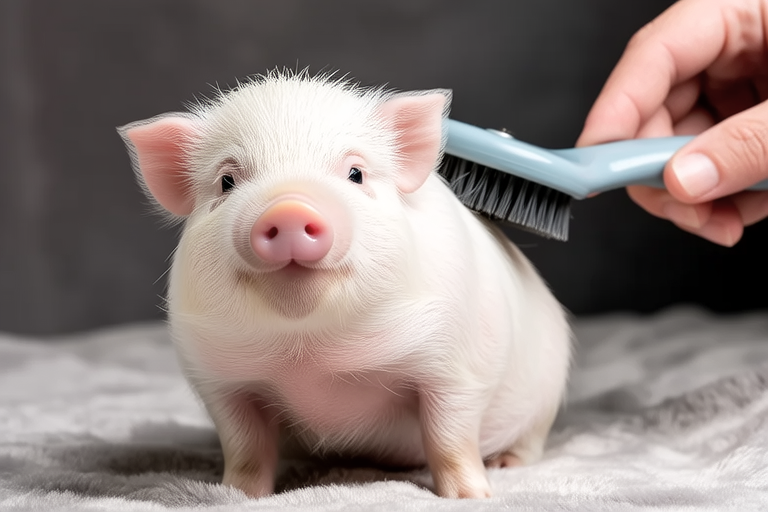
Regular brushing keeps your guinea pig’s coat smooth, shiny, and free from tangles. Here’s how to do it:
- Choose the right brush: Use a soft-bristled brush for short-haired guinea pigs and a slicker brush for long-haired varieties.
- Start gently: Begin by running your fingers through the fur to get a feel for any tangles or mats.
- Brush in the direction of hair growth: This minimizes discomfort for your pet and ensures the coat stays smooth.
- Be patient: Work in small sections, especially if your guinea pig has longer fur.
- Check for mats: If you encounter a mat, use a flea comb to carefully separate the fur. Avoid pulling too hard, as this can cause pain.
Tips for Different Fur Types:
- Short-haired guinea pigs: These require less frequent brushing but still benefit from regular grooming sessions.
- Long-haired guinea pigs: Need more attention, with daily brushing recommended to prevent matting.
- Rough-coated guinea pigs: Have wiry fur that requires gentle brushing and occasional trimming.
Nail Trimming
Nail trimming is vital to prevent overgrown nails, which can lead to discomfort and difficulty walking. Here’s how to trim your guinea pig’s nails safely:
- Prepare your tools: Use sharp, high-quality nail clippers designed for small animals.
- Position your guinea pig: Hold them securely but gently, supporting their body with one hand while trimming their nails with the other.
- Trim carefully: Cut just above the quick (the pink, blood-filled area inside the nail). Be cautious not to cut into the quick, as this can cause bleeding and pain.
- Apply styptic powder: If you accidentally cut the quick, apply styptic powder to stop the bleeding.
- Avoid common mistakes: Do not trim too much at once, as this can stress your guinea pig and increase the risk of cutting the quick.
Cleaning Ears and Teeth
Checking and cleaning your guinea pig’s ears and teeth are important parts of grooming:
- Ears: Use a soft cloth or cotton ball dampened with ear cleaner to gently wipe the outer ear. Avoid inserting anything into the ear canal.
- Teeth: Check your guinea pig’s teeth regularly for signs of overgrowth. Overgrown teeth can be painful and interfere with eating. Provide chew toys to help naturally wear down their teeth.
Bathing Your Guinea Pig
Bathing your guinea pig should be done sparingly, as their coat is designed to stay clean naturally:
- Determine frequency: Only bathe your guinea pig when necessary, typically no more than once every few months.
- Use appropriate products: Choose a mild, pH-balanced shampoo specifically formulated for small animals.
- Prepare the bath: Fill a shallow bowl with warm water and place your guinea pig in it. Support their head and neck.
- Gently wash: Lather the shampoo and rinse thoroughly to avoid leaving soap residue.
- Dry completely: Wrap your guinea pig in a towel and gently pat dry. Use a hair dryer on low heat if necessary.
Signs of Coat Health Issues and When to Consult a Vet
Regular grooming gives you the opportunity to spot any potential health issues early:
- Matted fur: Indicates poor grooming habits or underlying health issues.
- Redness or sores: Could signal infections or allergic reactions.
- Excessive scratching: May indicate parasites or skin conditions.
- Anemia: Dark-colored droppings can indicate internal bleeding, possibly from overgrown nails.
If you notice any of these signs, consult your veterinarian promptly to ensure your guinea pig receives proper care.
Conclusion
Proper grooming is key to keeping your guinea pig healthy and happy. By following the steps outlined here, you can ensure your pet’s coat remains fluffy, their nails are trimmed, and their ears and teeth are clean. Regular grooming also provides valuable time to bond with your pet and monitor their health closely. Remember, a well-groomed guinea pig is a happy and healthy one!
