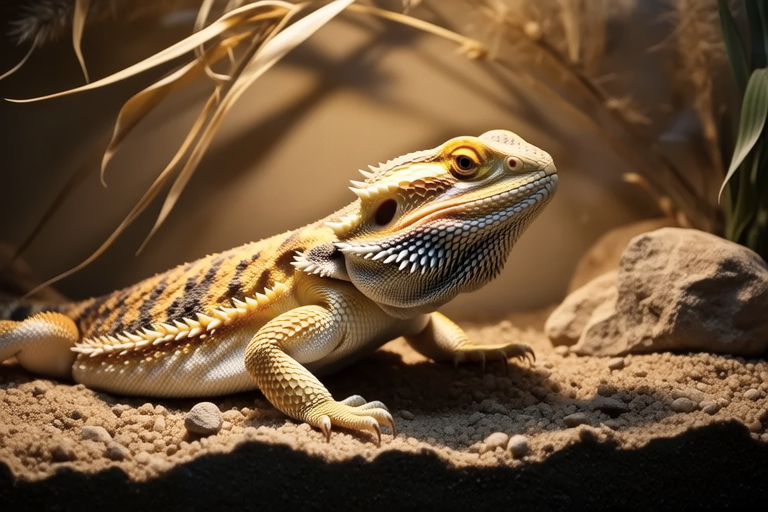
The Ultimate Bearded Dragon Habitat Setup for Healthier Reptiles
Creating the perfect habitat for your bearded dragon is crucial for their health and happiness. A well-designed enclosure ensures they thrive in an environment that mimics their natural habitat. This comprehensive guide will walk you through setting up the ideal bearded dragon habitat, covering everything from tank size and heating to lighting, substrate, and more.
Choosing the Right Tank Size
The first step in creating a suitable habitat is choosing the right tank size. Bearded dragons are active creatures that need ample space to move around. For juveniles, a 20-gallon tank is sufficient, but as they grow, they will require larger enclosures. Adults should have at least a 40-gallon tank or a 4x2x2-foot enclosure to provide adequate room for movement and exploration.
Heating and Lighting Requirements
Proper heating and lighting are vital for your bearded dragon’s health. They need a temperature gradient ranging from 75°F to 100°F (24°C to 38°C) during the day, with nighttime temperatures dropping to around 65°F to 75°F (18°C to 24°C). Use a combination of heat lamps and under-tank heaters to achieve this gradient. Additionally, UVB lighting is essential for calcium absorption and bone health. Ensure the UVB light reaches 10% of the basking area, and replace bulbs every six months.
Substrate Options
Selecting the right substrate is crucial for your bearded dragon’s safety and comfort. Avoid substrates like sand, gravel, and wood chips, which can cause impaction if ingested. Instead, opt for safer alternatives such as paper towels, reptile carpet, or tile flooring for juveniles, and calcium sand or reptile-safe bark mulch for adults. These options are easier to clean and pose less risk of ingestion.
Hiding Spots and Climbing Areas
Providing hiding spots and climbing areas is essential for your bearded dragon’s mental and physical well-being. Hides offer a sense of security and help reduce stress. Place hides at different temperature zones within the enclosure to allow your dragon to regulate its body temperature. Climbing areas, such as branches and rocks, encourage exercise and mimic natural environments. Ensure all decorations are securely placed to prevent falls.
Feeding Stations
Designate specific areas for feeding to maintain hygiene and prevent substrate contamination. Use shallow dishes or platforms designed for reptiles. Keep feeding areas clean and replace food regularly to avoid mold growth.
Maintaining Humidity Levels and Temperature Gradients
Maintaining proper humidity levels and temperature gradients is critical for your bearded dragon’s health. The ideal humidity range is between 30% and 40%. Too much moisture can lead to respiratory issues, while too little can cause shedding problems. Use a hygrometer to monitor humidity levels and adjust accordingly. Regularly check temperature gradients using a thermometer to ensure your dragon has access to various temperature zones throughout the day.
Cleanliness and Maintenance
Keeping the enclosure clean is vital for preventing infections and promoting overall health. Spot clean daily by removing waste and uneaten food. Perform a deep cleaning once a week, disinfecting all surfaces and replacing soiled substrates. Use pet-safe disinfectants and rinse thoroughly before returning decorations. Clean water bowls and feeding dishes regularly to prevent bacterial growth.
Selecting Safe Decorations and Accessories
Choose decorations and accessories that enhance your bearded dragon’s environment while promoting natural behaviors. Opt for non-toxic plants, rocks, and branches. Avoid small, loose objects that could be swallowed. Ensure all decorations are securely attached to prevent falls. Providing a variety of textures and heights encourages exploration and exercise.
Practical Advice for Novice and Experienced Owners
For novice owners, starting with a basic setup and gradually adding features as you become more comfortable is recommended. Experienced owners can experiment with advanced setups, incorporating live plants and specialized lighting systems. Regardless of experience level, always prioritize your bearded dragon’s health and comfort when making changes to their habitat.
The Direct Impact of Habitat Quality on Health and Well-being
A high-quality habitat directly impacts your bearded dragon’s health and well-being. Proper heating, lighting, and substrate choices promote healthy digestion, skin, and bones. Adequate space and enrichment opportunities encourage exercise and mental stimulation. Maintaining cleanliness prevents infections and parasites. By investing time and effort into creating an optimal habitat, you ensure your bearded dragon leads a long, happy life.
