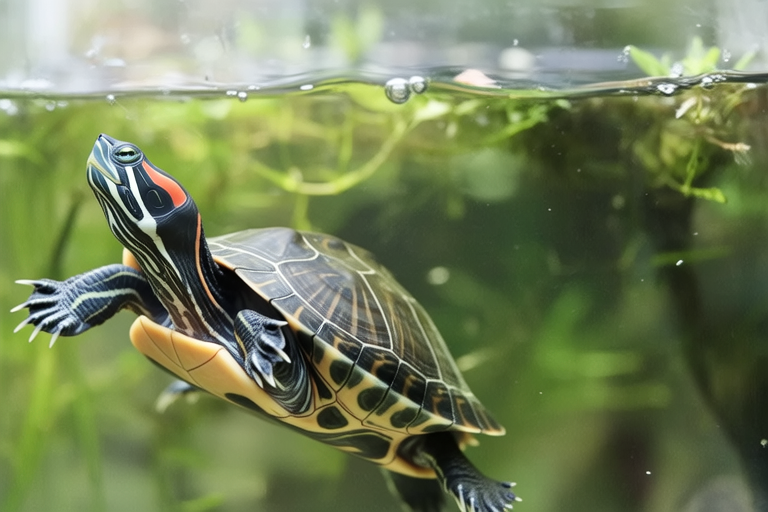
From Tank to Pond: Transitioning Your Red-eared Slider Safely
Transitioning your red-eared slider from an indoor tank to an outdoor pond can be a significant step in providing it with a more natural habitat. However, this move requires careful planning and preparation to ensure the safety and well-being of your pet. This guide will walk you through the necessary steps to prepare both the indoor tank and outdoor pond environments, list the essential equipment, detail health checks before relocation, highlight potential risks and their mitigation, discuss legal considerations, and provide advice on maintaining water quality post-transition.
Preparing the Indoor Tank
Before moving your red-eared slider to its new home, it’s crucial to prepare the indoor tank properly. The tank should be large enough to accommodate your turtle’s growth and provide ample space for swimming. A general rule of thumb is to have at least 10 gallons of water per inch of shell length. Ensure that the tank is equipped with a secure lid or screen to prevent escapes.
Install a powerful filtration system capable of handling the tank’s volume effectively. Filters help maintain clean water by removing waste and debris. Additionally, incorporate a UVB light source to simulate sunlight, which is essential for calcium absorption and overall health. Provide basking areas where your turtle can dry off and regulate its body temperature. Use a heat lamp or ceramic heater to create a warm spot, ideally between 85°F and 90°F.
Water quality is paramount. Regularly test the water parameters such as pH, ammonia, nitrite, and nitrate levels. Perform partial water changes weekly to keep the environment fresh and free from harmful toxins.
Preparing the Outdoor Pond
Creating a suitable outdoor pond involves several considerations. Choose a location that receives adequate sunlight but remains shaded during the hottest parts of the day. Ensure the pond is away from heavy foot traffic and potential predators.
The pond should be at least twice the length of your turtle’s shell and deep enough so that it can swim freely. For a single adult red-eared slider, aim for a minimum of 3 feet by 6 feet with a depth of around 2 feet. Incorporate ramps or sloping areas for easy access in and out of the water. Install a robust filtration system designed for outdoor ponds to manage algae growth and maintain cleanliness.
Incorporate plants like water hyacinth, duckweed, and water lettuce for shade and hiding spots. These plants also improve water quality by absorbing excess nutrients. Ensure there are floating platforms or logs for basking. The basking area should receive direct sunlight for several hours daily and remain dry.
Consider installing a protective netting over the pond to deter birds and other animals. Secure the edges of the net to prevent accidental entanglement. Check local regulations regarding pond construction, especially concerning drainage and runoff.
Necessary Equipment
To facilitate a smooth transition, gather the following equipment:
- Filtration systems for both indoor tanks and outdoor ponds
- UVB lighting and heating devices
- Basking platforms and ramps
- Water testing kits for regular monitoring
- Pond nets and protective covers
- Heat lamps and timers
- Water pumps and aerators
Invest in high-quality products that meet the specific needs of your turtle and pond size. Consult with professionals if unsure about selecting appropriate equipment.
Health Checks Before Relocation
Before transitioning your red-eared slider, perform thorough health checks. Visit a veterinarian specializing in reptiles to assess overall health, check for parasites, and ensure no underlying conditions exist. Monitor your turtle’s appetite and behavior for any signs of distress.
During the health check, inquire about vaccinations and any preventive treatments recommended for outdoor living. Address any issues found during the examination before proceeding with the move.
Potential Risks and Mitigation Strategies
Transitioning to an outdoor pond introduces new challenges. Predators pose a significant threat, including birds, raccoons, and domestic pets. Protect your turtle by securing the pond area with fencing or netting.
Water quality can deteriorate rapidly without proper maintenance. Establish a routine for cleaning and testing water parameters. Regularly inspect the pond for algae buildup and address it promptly using natural methods like introducing beneficial bacteria or reducing nutrient inputs.
Weather extremes may stress your turtle. Ensure the pond has sufficient shade and that your turtle can retreat into deeper waters during hot periods. In colder climates, consider bringing your turtle indoors temporarily during winter months.
Legal Considerations Regarding Pond Placement
Check local ordinances and homeowner association rules before constructing an outdoor pond. Some areas restrict or prohibit certain types of ponds due to concerns about mosquito breeding, water contamination, or property value impacts. Obtain necessary permits if required.
Ensure the pond does not interfere with local drainage systems or contribute to environmental pollution. Follow best practices for sustainable pond design and management.
Maintaining Water Quality Post-Transition
Regular maintenance is key to sustaining optimal water quality in your outdoor pond. Test water parameters frequently using reliable testing kits. Aim for pH levels between 7.0 and 8.5, zero ammonia and nitrite levels, and low nitrate concentrations.
Perform routine cleaning tasks such as skimming debris from the surface and vacuuming the bottom of the pond. Remove dead leaves and plant matter promptly to prevent decay. Adjust filtration settings according to seasonal changes and weather conditions.
Monitor your turtle’s health closely after the transition. Any unusual behaviors or physical symptoms could indicate poor water quality or other issues requiring immediate attention.
Conclusion
Transitioning your red-eared slider from an indoor tank to an outdoor pond offers numerous benefits but demands careful preparation and ongoing care. By following these guidelines, you can create a safe and enriching environment for your pet while adhering to legal requirements and promoting long-term health. Remember, the well-being of your turtle depends on your commitment to maintaining a clean, healthy habitat throughout its life.
