Adopting a Turkish Angora: Tips for Welcoming Your New Feline Friend
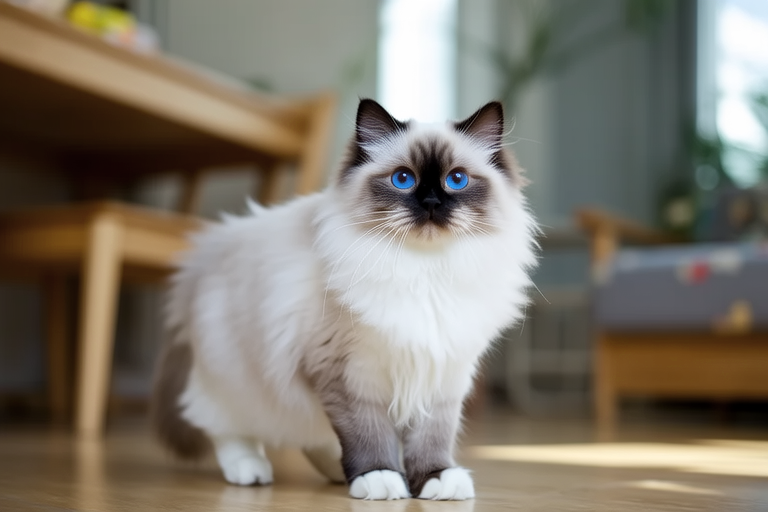
Welcome to the enchanting world of Turkish Angoras! These elegant, graceful cats have captivated hearts for centuries. With their striking blue eyes and silky, semi-long coats, Turkish Angoras are not just beautiful but also highly intelligent and playful companions. Originating from the Ankara region of central Turkey, they have a rich history that dates back to ancient times. Their unique characteristics make them one of the most cherished breeds in the world.
Preparing Your Home for Your Turkish Angora
Before bringing your new Turkish Angora home, it’s essential to prepare your living space to ensure a smooth transition. Start by creating a safe and comfortable environment that will cater to your cat’s needs.
- Cat-Friendly Spaces: Ensure that your home is free from potential hazards such as toxic plants, dangling cords, and small objects that could be swallowed. Create cozy spaces where your cat can retreat and feel secure.
- Toileting Area: Position the litter box in a quiet, easily accessible location. Avoid placing it near food or water bowls, as cats prefer privacy when toileting.
- Feeding Area: Set up a designated feeding area away from the litter box and other distractions. Use ceramic or stainless steel bowls to prevent tipping and ensure hygiene.
Dietary Needs of Your Turkish Angora
Turkish Angoras are known for their active lifestyle, which means they require a balanced diet to maintain their energy levels and overall health. Here’s what you need to know about their dietary needs:
- High-Quality Protein: Choose a high-quality commercial cat food that lists meat as the primary ingredient. This ensures your cat gets the necessary amino acids like taurine, crucial for heart and eye health.
- Water Intake: Encourage your cat to drink plenty of water. Consider using a pet fountain or adding wet food to their diet to increase hydration.
- Caloric Balance: Keep an eye on your cat’s weight and adjust portions accordingly. Obesity can lead to various health issues, so regular weigh-ins are recommended.
Suitable Toys and Environments for Your Turkish Angora
Turkish Angoras are curious and playful, requiring stimulating toys and environments to keep them engaged and entertained. Here are some suggestions:
- Interactive Toys: Puzzle feeders and treat-dispensing toys encourage mental stimulation and prevent boredom. Laser pointers and feather wands are great for interactive play sessions.
- Scratching Posts: Invest in sturdy scratching posts made from materials like sisal or corrugated cardboard. This helps maintain your furniture and keeps your cat’s claws healthy.
- Hiding Spots: Cats love to hide and explore. Provide cozy spots like tunnels, boxes, or elevated perches to satisfy their natural instincts.
Grooming Requirements Specific to Their Coat
The Turkish Angora’s luxurious coat requires regular care to maintain its luster and prevent matting. Here’s how to keep your cat looking and feeling its best:
- Bathing: Bathe your cat every few months using a gentle, cat-specific shampoo. Always use lukewarm water and dry your cat thoroughly to prevent chills.
- Brushing: Brush your cat’s coat at least once a week to remove loose fur and prevent tangles. A slicker brush works well for their semi-long hair.
- Nail Trimming: Regular nail trimming is essential to avoid overgrowth and discomfort. Use a pair of cat-specific clippers and trim the tips carefully.
Training and Socializing Your Turkish Angora
Turkish Angoras are highly intelligent and can be trained to respond to basic commands and tricks. Here are some tips for training and socializing your cat:
- Positive Reinforcement: Reward good behavior with treats and praise. Avoid punishment, as it can cause fear and anxiety.
- Clicker Training: Clicker training is an effective method for teaching your cat new behaviors. Pair the click sound with a treat to reinforce desired actions.
- Socialization: Expose your cat to different people, animals, and environments from a young age to promote confidence and adaptability.
Common Health Issues and Ensuring a Long, Healthy Life
While Turkish Angoras are generally healthy, they are prone to certain genetic conditions. Here’s what you need to know:
- Heart Disease: Hypertrophic cardiomyopathy (HCM) is a common heart condition in Turkish Angoras. Regular veterinary check-ups can help detect early signs.
- Eyelid Problems: Some Turkish Angoras may develop entropion, a condition where the eyelids roll inward. Early intervention is key to preventing damage to the cornea.
- Dental Care: Regular dental care, including brushing your cat’s teeth and providing chew toys, can help prevent periodontal disease.
In conclusion, adopting a Turkish Angora is a rewarding experience that brings joy and companionship into your life. By following these tips and ensuring proper care, you can provide your new feline friend with a happy, healthy life. Whether you’re a first-time or experienced cat owner, the Turkish Angora’s unique charm and personality will undoubtedly enrich your household. Embrace the adventure of sharing your home with this remarkable breed, and enjoy the many years of companionship ahead.
