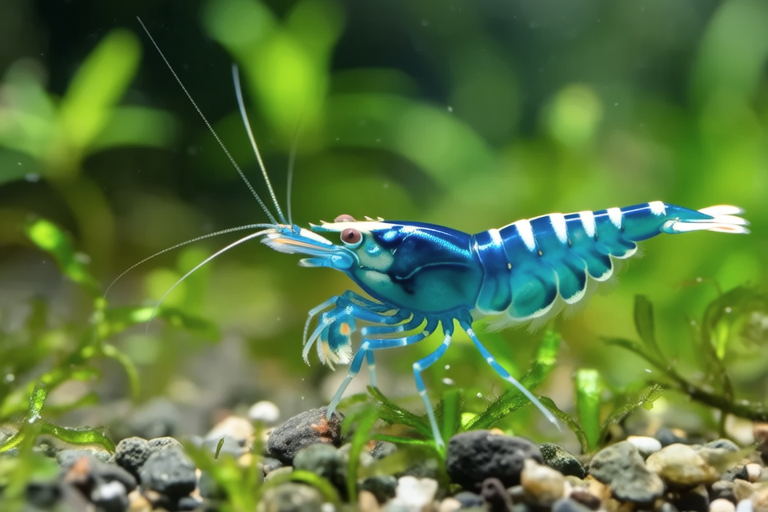
Unleashing the Charm of Coral Shrimp in Your Aquascape
Welcome, fellow aquarists! If you’re looking to add a touch of elegance and functionality to your aquatic ecosystem, coral shrimp might just be the perfect addition. Known for their vibrant colors and meticulous cleaning habits, these little crustaceans are not only visually appealing but also play a crucial role in maintaining the health of your tank. In this article, we’ll dive deep into the world of coral shrimp, exploring their unique characteristics, care requirements, and ideal tank mates. We’ll also discuss how they contribute to the cleanliness and aesthetic appeal of an aquascape. Lastly, we’ll provide some valuable tips for beginners on how to successfully introduce coral shrimp into their aquarium setup.
The Allure of Coral Shrimp
Coral shrimp, scientifically known as Stenopus hispidus, are small yet striking creatures that can bring a splash of color to any reef tank. These shrimp are native to the tropical waters of the Indo-Pacific region, where they thrive in coral reefs and rocky crevices. Their bodies are adorned with vivid red or blue hues, complemented by white spots and fine hairs, which give them their distinct appearance. The contrast between their bright colors and the intricate patterns on their exoskeletons makes them a standout feature in any aquascape.
One of the most fascinating aspects of coral shrimp is their ability to coexist harmoniously with other marine life. Unlike some more aggressive species, coral shrimp are peaceful and non-invasive, making them an excellent choice for community tanks. They are particularly adept at cleaning up debris and detritus, helping to maintain the overall health and balance of the aquarium environment.
Care Requirements for Coral Shrimp
While coral shrimp are relatively easy to care for, they do require specific conditions to thrive. A well-maintained tank with optimal water parameters is essential for their survival. Here are some key factors to consider when setting up a home for your coral shrimp:
- Water Parameters: Coral shrimp prefer slightly alkaline water with a pH range of 8.1 to 8.4. The temperature should be kept between 72°F and 78°F (22°C to 26°C), and the salinity should be maintained at 1.023 to 1.025 specific gravity. Regular testing and adjustment of these parameters will ensure a healthy environment for your shrimp.
- Diet: Coral shrimp are omnivores and require a balanced diet consisting of algae, microorganisms, and occasional meaty foods like brine shrimp or mysis. Providing a variety of food sources will help keep them active and healthy. Additionally, offering calcium-rich supplements can support their molting process.
- Habitat: To mimic their natural habitat, include plenty of live rock and caves within the tank. Coral shrimp are territorial and need ample hiding spaces to feel secure. Live rocks not only offer shelter but also provide surfaces for beneficial bacteria to grow, further enhancing the tank’s biological filtration.
- Aquascaping: Incorporating corals, especially soft corals, into your tank can create a thriving environment for your coral shrimp. These shrimp are particularly fond of cleaning corals and removing algae, which helps promote coral growth and health.
Choosing Ideal Tank Mates
When selecting tank mates for your coral shrimp, it’s important to choose species that share similar care requirements and temperaments. Coral shrimp are generally peaceful and can coexist with a wide range of fish and invertebrates. However, there are certain considerations to keep in mind:
- Fish: Small, non-aggressive fish such as clownfish, damselfish, and cardinal tetras are great companions for coral shrimp. Avoid larger, predatory fish that may view shrimp as prey.
- Invertebrates: Other peaceful invertebrates like hermit crabs, snails, and starfish can be suitable tank mates. It’s important to avoid keeping coral shrimp with more aggressive shrimp species, such as cleaner shrimp, which may compete for resources.
- Corals: Soft corals, such as zoanthids and leathers, are excellent choices for coral shrimp. These shrimp are particularly adept at cleaning these types of corals, removing unwanted algae and debris.
The Role of Coral Shrimp in Maintaining Tank Cleanliness
One of the primary benefits of introducing coral shrimp into your aquarium is their ability to keep the tank clean. These diligent scavengers feed on uneaten food particles, dead tissue, and harmful algae, effectively reducing waste and preventing the buildup of harmful substances. By maintaining a clean tank, coral shrimp help prevent the proliferation of diseases and parasites that could otherwise harm other inhabitants.
Coral shrimp also play a vital role in promoting the health of corals within the tank. They meticulously remove algae from coral surfaces, which can otherwise hinder coral growth and lead to bleaching. This cleaning behavior not only benefits the corals but also enhances the overall visual appeal of the aquarium, making it a more vibrant and dynamic environment.
Aesthetic Appeal and Ecological Balance
Beyond their functional role in maintaining tank cleanliness, coral shrimp significantly enhance the aesthetic appeal of an aquascape. Their vibrant colors and graceful movements add a lively element to the tank, creating a visually captivating display. The contrast between their bright hues and the various textures of live rocks and corals creates a harmonious and aesthetically pleasing composition.
Moreover, coral shrimp contribute to the ecological balance of the aquarium by interacting with other organisms in meaningful ways. For example, they assist in the cycling of nutrients and the regulation of population dynamics within the tank. By keeping algae in check and maintaining a balanced environment, coral shrimp help ensure the long-term health and stability of the entire aquatic ecosystem.
Tips for Beginners: Successfully Introducing Coral Shrimp
If you’re new to the world of coral shrimp, here are some practical tips to help you get started:
- Research Thoroughly: Before bringing coral shrimp into your tank, make sure you understand their specific needs and behaviors. This knowledge will help you create an environment that supports their health and well-being.
- Prepare the Tank: Ensure that your tank has been properly cycled and that all water parameters are within the recommended ranges. Adding coral shrimp to an unstable tank can stress them and compromise their health.
- Introduce Gradually: When introducing coral shrimp to your tank, acclimate them slowly by floating the bag in the tank for about 20 minutes before releasing them. This allows them to adjust to the temperature and chemistry of the tank water.
- Monitor Interactions: Keep a close eye on how your coral shrimp interact with other tank inhabitants. While they are generally peaceful, some fish may show interest in them, so it’s important to observe and intervene if necessary.
- Provide Hiding Spots: Make sure your tank has plenty of hiding spots for your coral shrimp. These can include caves, crevices, and live rocks. Having adequate hiding spots will help reduce stress and encourage natural behaviors.
Conclusion
Coral shrimp are truly remarkable additions to any aquascape, combining beauty, functionality, and ecological importance. Their vibrant colors and meticulous cleaning habits make them a popular choice among aquarists. By understanding their unique characteristics and care requirements, you can create a thriving environment that supports their health and well-being. With the right tank mates and proper care, coral shrimp can become an integral part of your aquatic ecosystem, contributing to both its cleanliness and aesthetic appeal.
Whether you’re a seasoned aquarist or just starting out, incorporating coral shrimp into your tank can elevate your aquatic experience. So why not unleash their charm and discover the joy they bring to your underwater world?
