5 Surprising Facts About the Playful Nature of Golden Hamsters
Golden hamsters have long been cherished as delightful companions in households across the globe. These small, furry creatures are known for their unique personalities, making them one of the most popular pets among animal lovers. Their gentle demeanor and affectionate nature make them ideal for families and individuals alike. However, beneath their cuddly exterior lies a world of surprising behaviors that are often overlooked. This article delves into five lesser-known facts about the playful nature of golden hamsters, revealing aspects of their behavior that will surely captivate and delight you.
Nocturnal Playtimes
One of the most fascinating aspects of golden hamsters is their nocturnal playtimes. Unlike many other pets, these tiny creatures are most active during the night, which means they are at their most playful when their human companions are usually asleep. Imagine waking up to find your hamster has rearranged all its bedding or discovered new ways to navigate its habitat. Their nocturnal activity patterns are a testament to their adaptability and resourcefulness.
During the night, golden hamsters engage in a variety of activities that range from exploring their surroundings to playing with their toys. They are highly curious and will investigate every corner of their living space. Their playtimes are not just limited to physical activities; they also involve social interactions with other hamsters if housed together. Watching them during these times can be a thrilling experience, as they demonstrate their agility and intelligence in navigating their environment.
Preference for Certain Toys
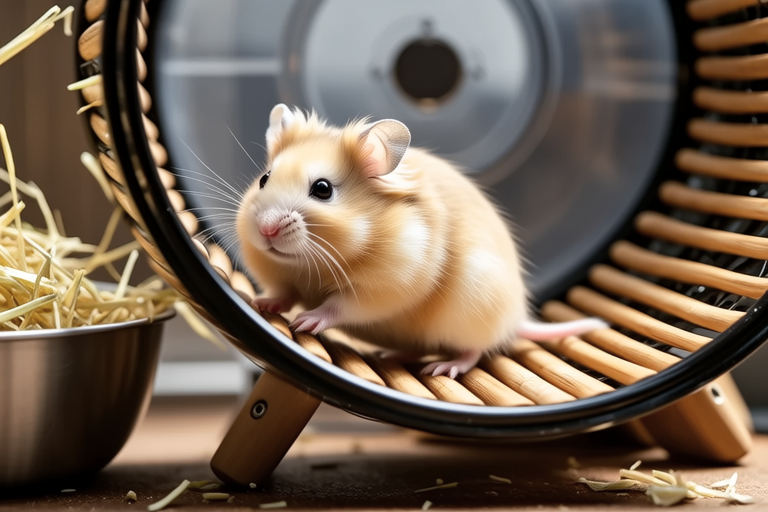
Golden hamsters have distinct preferences when it comes to toys, much like children do. While they may enjoy a variety of items, certain types of toys tend to capture their interest more than others. One of the most popular choices among hamsters is the exercise wheel. This simple yet effective tool allows them to run and expend energy, which is crucial for maintaining their physical fitness.
In addition to wheels, hamsters are particularly fond of tunnels and hideouts. These structures provide them with a sense of security and allow them to explore in a confined space. Another favorite toy is the cardboard tube, which they can chew on and push around their cage. The joy they derive from these activities is evident in their enthusiastic engagement and the sounds they make while interacting with their toys.
Unusual Play Techniques: Pushing Objects
One of the most peculiar and amusing behaviors of golden hamsters is their tendency to push objects around their enclosure. Whether it’s a small ball, a piece of wood, or even a food dish, hamsters seem to have an innate desire to move things from one place to another. This behavior can be seen as a form of play or exploration, but it also serves practical purposes.
Pushing objects helps hamsters develop their motor skills and provides mental stimulation. It’s a way for them to interact with their environment and understand the spatial relationships within their living space. Observing this behavior can be both entertaining and educational, as it offers insight into the problem-solving abilities of these small animals. Watching a hamster carefully push a ball through a tunnel or move a block to a different part of its cage is a testament to their ingenuity.
Mimicry of Owner’s Routines
Golden hamsters have a remarkable ability to mimic their owners’ routines, a trait that showcases their keen observational skills and adaptability. If you have a regular schedule for feeding, cleaning, or playing with your hamster, chances are they will begin to anticipate these activities and adjust their behavior accordingly. This mimicry is not only endearing but also highlights the strong bond that can develop between a hamster and its owner.
For instance, if you feed your hamster at the same time every day, it might start showing signs of excitement or anticipation just before the scheduled feeding time. Similarly, if you have a routine of cleaning the cage or spending quality time with your pet, your hamster might learn to recognize these moments and respond in a positive manner. This behavior underscores the importance of consistency in care and the impact it can have on the relationship between a pet and its owner.
The Role of Play in Physical and Mental Health
Play is essential for the overall well-being of golden hamsters, contributing significantly to both their physical and mental health. Engaging in playful activities helps them maintain a healthy weight, improves muscle tone, and enhances cardiovascular fitness. Additionally, playtime stimulates their minds, reducing stress and preventing boredom-related behaviors such as excessive chewing or digging.
Providing a stimulating environment filled with toys and opportunities for exploration is crucial for the development of a happy and healthy hamster. Regular interaction with their human companions also plays a vital role in their emotional well-being. By fostering a playful atmosphere, you can ensure that your hamster remains active, alert, and content. Encouraging play through interactive games and providing a variety of toys can help your pet stay engaged and mentally sharp.
Conclusion: Celebrate Your Hamster’s Playful Quirks
As we have explored, golden hamsters possess a wealth of playful behaviors that go beyond their charming appearances. From their nocturnal playtimes to their preference for specific toys and unusual play techniques, these little creatures are full of surprises. Their ability to mimic their owners’ routines and the significant role play plays in their health further emphasize the importance of understanding and nurturing their needs.
We encourage all pet owners and enthusiasts to take the time to observe their hamsters’ behaviors closely. Each hamster has its own unique personality and set of quirks that make it special. By celebrating these playful traits, you not only deepen your connection with your pet but also contribute to its overall happiness and well-being. So, the next time you see your hamster pushing a toy or rearranging its bedding, remember that you’re witnessing the delightful complexity of its playful nature.
