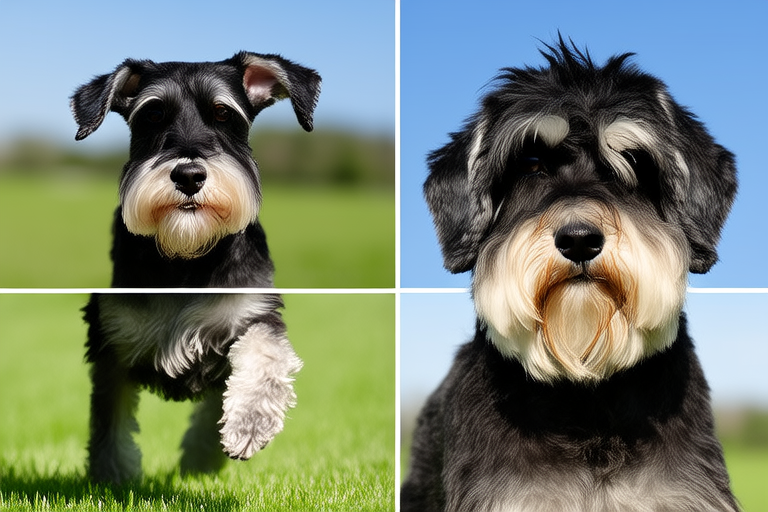
From Puppyhood to Senior Years: Raising a Happy Schnauzer
Welcome to the wonderful world of schnauzers! These intelligent, energetic, and affectionate dogs have been cherished by families for generations. Raising a schnauzer is a rewarding experience that requires dedication, love, and attention at every stage of their lives. From their playful puppyhood to their more serene senior years, this guide will provide you with practical advice on nutrition, exercise, grooming, training, and common health issues. We’ll also cover socialization, behavior management, and adapting your care as your schnauzer ages.
Puppyhood: The Early Stages
The first few months of your schnauzer’s life are crucial for setting the foundation for their future behavior and health. During this time, your puppy will be learning about the world around them, forming bonds with family members, and developing good habits.
Nutrition
Feeding your puppy a high-quality, nutrient-rich diet is essential for their growth and development. Consult with your veterinarian to choose a food that meets their specific needs. Puppies require more calories and nutrients than adult dogs, so feeding them small, frequent meals throughout the day is recommended. As they grow older, gradually transition to fewer, larger meals.
Exercise
Puppies have boundless energy, and it’s important to provide them with plenty of opportunities to burn off steam. Daily walks, playtime in a safe enclosed area, and interactive toys can help keep your puppy active and engaged. Be mindful of overexertion, especially during hot weather or on rough terrain.
Grooming
Schnauzers have a double coat that requires regular grooming to prevent matting and tangling. Brush your puppy’s coat several times a week and schedule professional grooming sessions every six to eight weeks. Regularly check and clean their ears, trim their nails, and brush their teeth to maintain good hygiene.
Training
Training is an ongoing process that starts early. Use positive reinforcement techniques such as treats, praise, and affection to encourage good behavior. Teach basic commands like ‘sit’, ‘stay’, and ‘come’ to establish control and safety. Consistency is key; make sure all family members use the same commands and rewards.
Socialization
Socializing your puppy helps them become comfortable around other people, animals, and environments. Expose your puppy to various stimuli, including different sounds, sights, and experiences. This will help them develop into a well-rounded, confident adult.
Youth: The Active Years
Once your schnauzer has grown out of puppyhood, they enter their youth, characterized by high energy levels and a desire for adventure. During these years, maintaining a healthy lifestyle is vital to ensure your dog remains happy and active.
Nutrition
As your schnauzer matures, their nutritional needs change. Switch to a high-quality adult dog food that provides balanced nutrition. Monitor their weight and adjust portion sizes accordingly. Avoid overfeeding, as schnauzers are prone to obesity, which can lead to health problems.
Exercise
Adult schnauzers need regular physical activity to stay healthy and fit. Continue providing daily walks and playtime, but increase the duration and intensity to match their energy levels. Consider activities like agility training, hiking, or swimming to challenge and engage them mentally and physically.
Grooming
Maintaining your schnauzer’s appearance is important for their overall well-being. Regular brushing, bathing, and professional grooming sessions are necessary to keep their coat healthy and free from mats. Check for any signs of skin irritation or infection and consult your veterinarian if you notice anything unusual.
Training
Training doesn’t stop once your schnauzer becomes an adult. Reinforce good behavior and introduce new commands or tricks to keep them mentally stimulated. Obedience training classes can be beneficial for both you and your dog, helping to strengthen the bond between you.
Behavior Management
During their youth, schnauzers may exhibit behaviors such as chewing, barking, or digging. Redirect these behaviors by providing appropriate outlets, such as chew toys or digging areas. Consistent training and supervision can help manage and correct unwanted behaviors.
Adulthood: The Prime Years
As your schnauzer reaches adulthood, they become more settled and reliable. This stage is often referred to as the prime years, where your dog is at its most vibrant and energetic.
Nutrition
Continue feeding your schnauzer a balanced diet tailored to their specific needs. Adult dogs benefit from a variety of proteins, fats, carbohydrates, vitamins, and minerals. Monitor their weight and adjust their diet as needed to prevent obesity.
Exercise
Adult schnauzers thrive on regular exercise. Continue to provide daily walks, playtime, and stimulating activities. Exercise not only keeps your dog physically fit but also helps reduce stress and anxiety.
Grooming
Regular grooming remains essential for your schnauzer’s health and appearance. Continue brushing their coat, trimming their nails, cleaning their ears, and checking for any signs of discomfort or illness.
Training
Training is still an important part of your schnauzer’s life. Continue reinforcing good behavior and introducing new challenges to keep their mind sharp. Consider advanced training classes or sports like flyball or obedience trials to further engage your dog.
Companionship and Mental Stimulation
Schnauzers are social creatures who thrive on companionship. Spend quality time with your dog, playing games, going for walks, and simply enjoying each other’s company. Mental stimulation is equally important; provide puzzle toys, treat-dispensing toys, and interactive games to keep your schnauzer engaged and entertained.
Senior Years: The Golden Stage
As your schnauzer enters their senior years, their needs and requirements will change. This stage is marked by decreased energy levels, slower movement, and potential health concerns. Providing proper care during these years ensures your dog enjoys a comfortable and fulfilling life.
Nutrition
Senior schnauzers may require a specialized diet that addresses their changing nutritional needs. Look for food designed for aging dogs, which typically contains fewer calories, more easily digestible proteins, and additional joint support. Monitor your dog’s weight and consult your veterinarian for personalized dietary recommendations.
Exercise
While your senior schnauzer may not be as active as they once were, regular, gentle exercise remains important. Shorter, more frequent walks or low-impact activities like swimming can help maintain their mobility and joint health. Always monitor your dog for signs of fatigue or discomfort and adjust the intensity and duration of their exercise accordingly.
Grooming
Grooming continues to be essential for your senior schnauzer. Regular brushing helps prevent matting and discomfort. Keep an eye on their skin and coat for any changes in texture or color, as these could indicate underlying health issues. Trim their nails regularly and check their ears for any signs of infection or irritation.
Training
Training remains valuable for senior schnauzers. Continue reinforcing good behavior and introduce new challenges that are appropriate for their current abilities. Positive reinforcement techniques, such as treats and praise, can help motivate your dog and strengthen your bond.
Health Monitoring
Regular veterinary check-ups are crucial for monitoring your senior schnauzer’s health. Keep track of any changes in their behavior, appetite, or mobility, and report them to your veterinarian promptly. Early detection and treatment of health issues can improve your dog’s quality of life.
Behavior Management
Your senior schnauzer may exhibit changes in behavior due to age-related cognitive decline. Provide a stable routine and familiar surroundings to minimize confusion and anxiety. Offer comfort and reassurance, and consider using supplements or medications prescribed by your veterinarian to address any behavioral concerns.
Adapting Care
As your schnauzer ages, adapt your care to meet their changing needs. Provide comfortable sleeping arrangements, supportive bedding, and easy access to food and water. Encourage gentle exercise and mental stimulation to maintain their well-being. Spend extra time with your senior schnauzer, offering companionship and affection.
Conclusion
Raising a schnauzer from puppyhood to their senior years is a journey filled with joy, challenges, and love. By providing proper nutrition, exercise, grooming, training, and companionship, you can ensure your schnauzer leads a happy, healthy, and fulfilled life. Remember, schnauzers are not just pets; they are loyal companions who enrich our lives in countless ways. With dedication and care, you can enjoy many wonderful years together.
