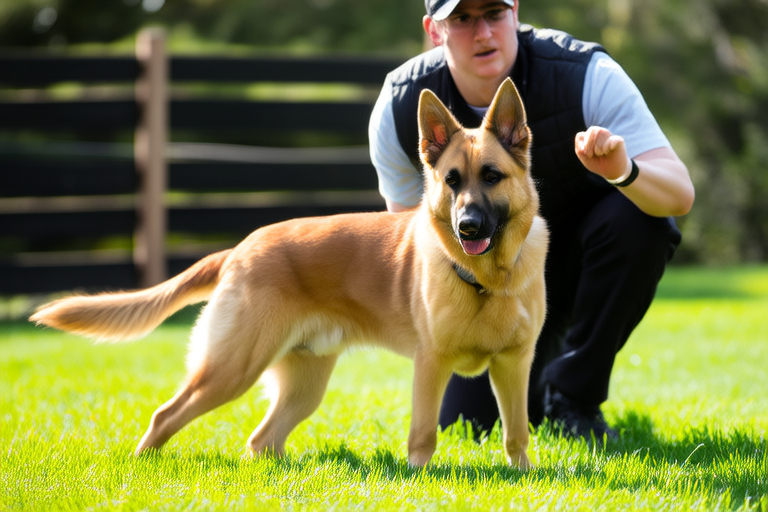
German Shepherd Training Tips for First-Time Owners
Welcome to the world of German Shepherds! These intelligent, loyal, and active dogs can be wonderful companions, but they require proper training and care. This guide will help you understand the basics of German Shepherd training, socialization, nutrition, and more.
Understanding the German Shepherd Temperament
German Shepherds are known for their intelligence, loyalty, and protective nature. They are often used as police or military dogs due to their strength and ability to follow commands. However, these traits also mean that they need consistent leadership from their owners. It’s important to establish yourself as the pack leader early on, which helps prevent dominance issues and promotes a well-behaved dog.
Establishing Routines
Dogs thrive on routine. Establishing a daily schedule for feeding, walking, playtime, and rest can help your German Shepherd feel secure and comfortable in their environment. Consistency in your approach will reinforce good behavior and make training easier. Regular exercise is crucial for both physical and mental health; aim for at least one hour of activity per day.
Basic Commands Every German Shepherd Should Know
Start with simple commands like ‘sit,’ ‘stay,’ ‘come,’ and ‘leave it.’ Use positive reinforcement methods such as treats, praise, and affection to encourage desired behaviors. Be patient and consistent in your training sessions. Break down each command into smaller steps if necessary, ensuring success before moving onto the next part.
Training Techniques
- Sit: Hold a treat above the dog’s head and move it slightly back towards its tail until it sits. As soon as the dog sits, give them the treat and praise them.
- Stay: Have your dog sit, then extend your hand flat and say ‘stay.’ Take a few steps back and return immediately. Gradually increase the distance and time spent away from the dog.
- Come: Call your dog’s name followed by ‘come’ in an excited voice. When they come, reward them with a treat and lots of praise.
- Leave it: Place a treat in your closed hand and let your dog sniff it. Say ‘leave it’ firmly and wait for them to stop trying to get the treat. Once they do, open your hand and give them the treat. Repeat this process several times.
Socialization Techniques
Socializing your German Shepherd is vital for their development into a well-adjusted adult dog. Expose them to various people, animals, environments, and situations while they’re young. Positive experiences during puppyhood can reduce fearfulness and aggression later in life. Consider enrolling in obedience classes or joining a local dog park where supervised interactions occur.
Common Behavioral Issues and Solutions
Even with proper training, some common problems may arise. Here’s how to handle them:
- Barking: Dogs bark for many reasons, including excitement, boredom, or territoriality. Identify the cause and address it accordingly. If barking becomes excessive, try teaching your dog alternative ways to express themselves, such as fetching a toy.
- Destructive Behavior: Often linked to boredom or anxiety, destructive behavior can be mitigated through increased exercise, mental stimulation, and crate training when appropriate.
- Aggression: Aggression towards other dogs or people can stem from fear, frustration, or lack of proper socialization. Consult a professional trainer or behaviorist for guidance tailored to your specific situation.
Positive Reinforcement: The Key to Successful Training
Positive reinforcement involves rewarding desirable behaviors while ignoring or redirecting unwanted ones. This method builds trust between owner and pet, fostering a strong bond based on mutual respect. Avoid punishment-based techniques, which can lead to fearfulness, anxiety, and even aggression.
Using Treats Effectively
Treats should be small enough not to fill up your dog but large enough to be noticeable. Choose healthy snacks that align with your dog’s dietary needs. Rotate different types of treats to keep training sessions interesting. Remember, treats are just one tool; verbal praise and petting also play significant roles in reinforcing good behavior.
Nutritional Needs and Their Impact on Behavior
A balanced diet rich in proteins, fats, carbohydrates, vitamins, and minerals supports overall health and wellbeing. Poor nutrition can result in low energy levels, poor concentration, and even behavioral issues. Discuss your dog’s dietary requirements with a veterinarian who can recommend suitable foods according to age, size, breed, and any existing medical conditions.
Importance of Water Intake
Dehydration can affect mood and cognitive function, leading to irritability and lethargy. Always provide fresh water and monitor consumption patterns. Adjust water intake according to weather conditions and physical activities.
Conclusion
Raising a German Shepherd requires commitment, patience, and dedication. By following these guidelines, you’ll set your furry friend up for success and enjoy many years of companionship together. Remember, every dog is unique, so adapt these suggestions as needed based on your individual animal’s personality and needs.
