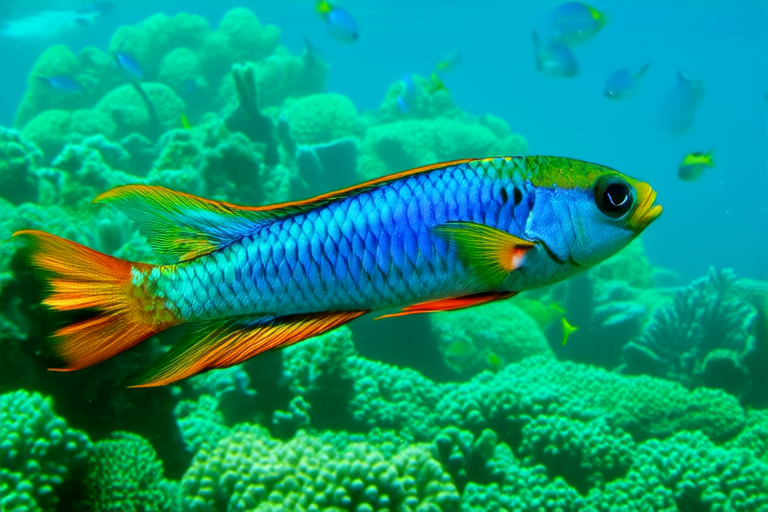
Parrot Fish: The Colorful Jewel of the Ocean
The ocean is a vast and mysterious world, teeming with an incredible variety of life. Among the many fascinating creatures that inhabit this aquatic realm, one stands out for its striking beauty and unique characteristics: the parrot fish. These colorful jewels of the ocean are not only visually stunning but also play a crucial role in maintaining the health of coral reefs.
An Introduction to Parrot Fish
Parrot fish, belonging to the family Scaridae, are known for their vibrant colors and unique appearance. They can be found in various shades of blue, green, yellow, red, and orange, often adorned with intricate patterns and spots. Their name comes from their beak-like jaws, which are equipped with strong teeth that allow them to scrape algae off coral reefs. This distinctive feature, combined with their bright hues, makes them one of the most recognizable fish in tropical waters.
Habitat and Role in Coral Reefs
Parrot fish are primarily found in warm, shallow waters around coral reefs. These underwater structures are not just beautiful; they are vital ecosystems that support a wide array of marine life. Parrot fish play a significant role in maintaining the health of these reefs. By feeding on algae, they help prevent overgrowth, which can smother corals and hinder their ability to photosynthesize. This cleaning process is essential for the survival of the reef and the countless species that depend on it.
In addition to their direct contribution to reef maintenance, parrot fish also contribute to the formation of sand. After consuming algae-covered coral, their digestive system breaks down the calcium carbonate, which is then excreted as sand. This process is a critical part of the natural cycle that helps maintain the beach and coastline.
Feeding Habits
One of the most remarkable aspects of parrot fish is their unique feeding method. Using their strong jaws, they scrape algae from the surface of coral and rocks. This technique allows them to access food sources that other fish cannot reach. As they feed, they play a vital role in controlling algal growth, ensuring that the coral has enough space and nutrients to thrive.
Parrot fish are herbivores, primarily feeding on algae and sometimes small invertebrates. Their diet is essential for maintaining the balance within the coral reef ecosystem. Without parrot fish, algae could overgrow the coral, potentially leading to the death of the reef. Thus, these fish are not just beautiful to look at but also serve a critical ecological function.
Behavior and Nocturnal Nest-Building
Parrot fish exhibit fascinating behaviors, especially during their reproductive cycles. One of the most interesting is their nocturnal nest-building habit. At night, male parrot fish gather sand and create circular nests on the seafloor. These nests serve as a safe haven for eggs once they are laid. The males guard the nests fiercely, protecting the eggs from predators until they hatch. This behavior showcases the complexity and intelligence of these marine creatures.
Another notable aspect of parrot fish behavior is their tendency to change color and form as they mature. Many species undergo dramatic shifts in appearance, with juveniles having different colors and patterns than adults. This transformation is thought to aid in camouflage and social signaling, helping them navigate their complex underwater world.
Conservation Efforts and Threats
Despite their importance to marine ecosystems, parrot fish face numerous threats in the wild. Overfishing is one of the primary concerns, as they are highly valued for their meat and vibrant skin. Many populations have been severely depleted due to unsustainable fishing practices. Additionally, the destruction of coral reefs through climate change, pollution, and human activities poses a significant threat to their habitats.
To address these challenges, various conservation efforts are underway. Marine protected areas (MPAs) are being established to safeguard critical habitats and allow fish populations to recover. Sustainable fishing practices, such as catch limits and gear restrictions, are also being implemented to ensure the long-term survival of parrot fish. Public awareness campaigns aim to educate people about the importance of these fish and encourage responsible tourism and consumption.
Conclusion
Parrot fish are more than just a colorful spectacle in the ocean; they are vital contributors to the health and biodiversity of coral reefs. Their unique feeding habits, nocturnal nest-building, and vibrant colors make them fascinating subjects of study and admiration. However, they face significant challenges that threaten their survival. By supporting conservation efforts and promoting sustainable practices, we can help protect these colorful jewels of the ocean and ensure that future generations can enjoy their beauty and ecological significance.
