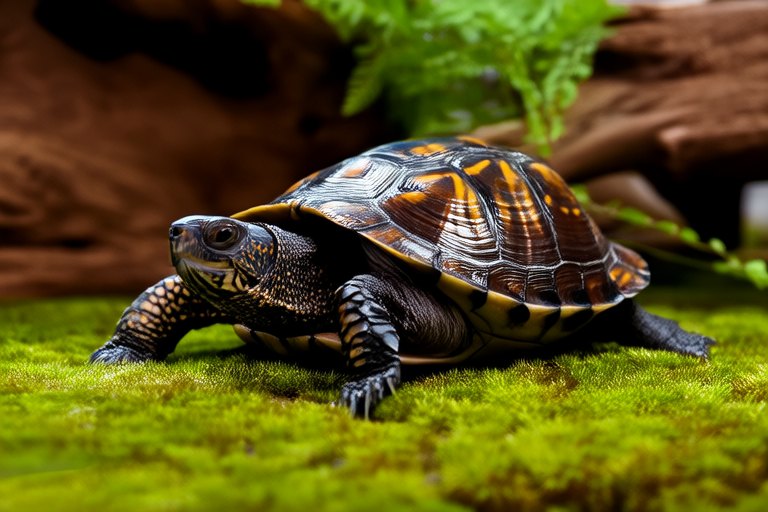
Top Secrets for Keeping Your Three-Striped Box Turtle Happy and Healthy at Home
Welcome to the world of three-striped box turtles! These fascinating creatures are native to parts of North America and are known for their unique appearance and charming personalities. If you’re considering bringing one of these delightful reptiles into your home, it’s crucial to understand how to provide them with an environment that mimics their natural habitats as closely as possible. This guide will offer you essential tips on habitat setup, temperature and humidity requirements, diet specifics, proper handling techniques, health monitoring, and common mistakes to avoid. Let’s dive into the top secrets for keeping your three-striped box turtle happy and healthy at home.
Habitat Setup: Creating a Natural Environment
The first step in ensuring your three-striped box turtle thrives is creating a suitable habitat. A well-designed enclosure will help replicate their natural environment, making your pet feel more at ease and promoting overall health.
Enclosure Size: The enclosure should be spacious enough for your turtle to move around freely. A minimum size of 4 feet by 2 feet is recommended for a single adult turtle. However, larger enclosures are always better as they allow more space for exercise and exploration.
Substrate: Use a substrate that allows for burrowing and is easy to clean. Reptile-safe mulch or coconut fiber works well. Avoid substrates like sand or gravel, which can cause impaction if ingested.
Hiding Spots and Decorations: Provide plenty of hiding spots using half logs, caves, or artificial plants. These will give your turtle places to retreat when feeling stressed or needing privacy. Decorative elements should be securely placed to prevent tipping over.
Water Area: Include a shallow water dish large enough for your turtle to submerge completely. Change the water daily to maintain cleanliness and prevent bacterial growth.
Temperature and Humidity Requirements
Maintaining optimal temperature and humidity levels is critical for your turtle’s health. These conditions should mimic those found in its natural habitat.
Thermoregulation: Turtles need access to both warm and cool areas within their enclosure to regulate their body temperature. Install a basking spot with a heat lamp providing temperatures between 85°F and 90°F (29°C – 32°C). The cooler side of the enclosure should remain around 75°F (24°C).
Humidity: Maintain humidity levels between 60% and 80%. This can be achieved through regular misting, adding a humidifier, or incorporating live plants that release moisture into the air.
Diet Specifics: Nourishing Your Turtle
A balanced diet is vital for your turtle’s growth and well-being. In the wild, three-striped box turtles eat a variety of foods, including insects, worms, fruits, vegetables, and aquatic plants.
Protein Sources: Offer protein-rich foods such as earthworms, crickets, mealworms, and commercial turtle pellets. Feed protein sources two to three times per week.
Fruits and Vegetables: Provide a mix of leafy greens (e.g., collard greens, dandelion leaves), carrots, squash, and berries. These should make up about 70% of their diet. Rotate the types of produce to ensure a wide range of nutrients.
Calcium Supplementation: Dust the food with calcium powder every other day to support strong bones and shell development.
Proper Handling Techniques
Handling your turtle gently and infrequently is important to minimize stress. Here are some tips for safe interactions:
Supporting the Shell: Always support your turtle’s entire body when picking it up. Place one hand under its bottom and the other supporting its shell.
Avoid Rough Handling: Be gentle and avoid squeezing or lifting by the legs or tail. Frequent handling can cause stress, so limit it to necessary tasks like feeding or cleaning.
Hygiene: Wash your hands before and after handling your turtle to prevent the spread of bacteria.
Health Monitoring: Early Detection of Issues
Regular health checks can help catch potential problems early, ensuring prompt treatment. Here’s what to look out for:
Shell Condition: Inspect the shell regularly for any signs of softness, discoloration, or abnormalities. A healthy shell is hard and uniformly colored.
Eyes and Mouth: Check for discharge, swelling, or redness around the eyes and mouth. These could indicate infections or respiratory issues.
Activity Levels: Monitor changes in activity patterns. Sudden lethargy or refusal to eat might signal underlying health concerns.
Common Mistakes to Avoid
Even experienced turtle owners may fall into certain traps. Here are some common pitfalls to watch out for:
Overfeeding: Feeding too much can lead to obesity and related health issues. Stick to the recommended portions and feeding schedule.
Poor Ventilation: Ensure adequate airflow in the enclosure. Poor ventilation can contribute to respiratory issues.
Incorrect Lighting: Using the wrong type or intensity of lighting can affect your turtle’s health. Always use UVB lighting specifically designed for reptiles.
Mimicking Natural Environments: The Key to Success
By closely replicating the natural environment of the three-striped box turtle, you can significantly enhance its quality of life. This includes providing ample space, appropriate temperature and humidity levels, a varied diet, and minimizing stress through careful handling.
Remember, each turtle is unique, and what works best for one might differ slightly for another. Pay attention to your pet’s behavior and preferences, adjusting its care routine accordingly. With patience and dedication, you can provide a nurturing home where your three-striped box turtle can thrive.
In conclusion, caring for a three-striped box turtle requires commitment and knowledge. By following these top secrets, you’ll be well on your way to ensuring your turtle lives a long, healthy, and happy life. Enjoy the rewarding experience of sharing your home with this remarkable creature!
