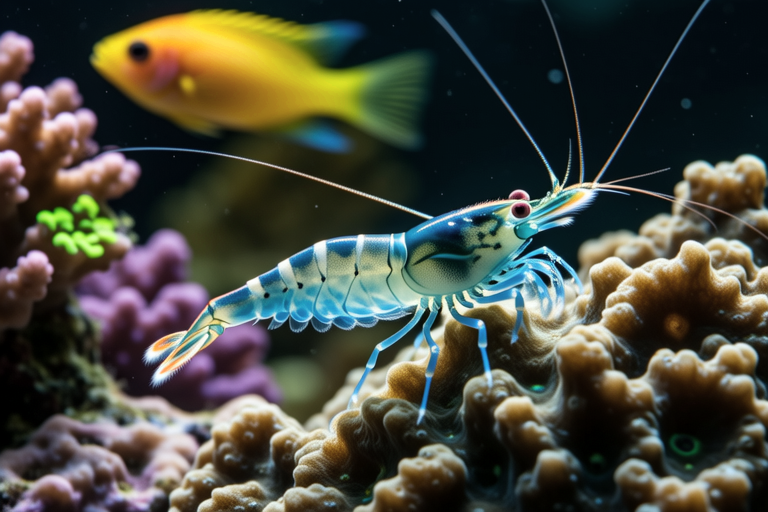
Unveiling the Secret Lives of Coral Shrimp in Home Aquaria
Coral shrimp are captivating additions to any home aquarium, known for their vibrant colors and intriguing behaviors. These small crustaceans are often overlooked, yet they play vital roles in maintaining the health of their aquatic environments. This article delves into the world of coral shrimp, exploring their unique characteristics, natural habitats, and how best to care for them in home aquaria.
Common Coral Shrimp Species Found in Home Aquaria
Several species of coral shrimp are popular among aquarists. The peppermint shrimp (Lysmata wurdemanni) is one of the most recognizable, distinguished by its alternating red and white stripes. Another notable species is the scarlet cleaner shrimp (Lysmata amboinensis), known for its bright red coloration. These shrimp are not only visually appealing but also beneficial for the overall health of the aquarium ecosystem.
Coral shrimp possess several unique traits that make them stand out. They are typically nocturnal, meaning they are most active during the night, which can make them challenging to observe. Their ability to change color to match their surroundings is another fascinating characteristic, allowing them to blend in seamlessly with the coral reefs or rock formations in their environment. This camouflage helps protect them from predators and assists in hunting for food.
Natural Habitat vs. Aquarium Settings
In their natural habitat, coral shrimp reside in tropical and subtropical waters around the world. They are commonly found in coral reefs, rocky crevices, and areas rich in algae and small invertebrates. The reef environment provides ample hiding spots and a diverse range of food sources, contributing to their survival. Coral shrimp are scavengers and detritivores, feeding on leftover food particles, algae, and tiny organisms.
The transition from a wild environment to a home aquarium presents several challenges for coral shrimp. While aquarists aim to replicate their natural habitat as closely as possible, there are inherent differences. In the wild, coral shrimp have access to vast spaces, a variety of hiding spots, and a greater diversity of food sources. In contrast, aquariums offer limited space and resources. Therefore, it’s crucial for aquarists to provide optimal conditions to ensure the well-being of these delicate creatures.
Optimal Tank Conditions for Healthy Coral Shrimp
To thrive in a home aquarium, coral shrimp require specific environmental conditions. Maintaining stable water parameters is essential for their health. The ideal temperature range for coral shrimp is between 72°F and 82°F (22°C to 28°C). pH levels should be kept between 8.1 and 8.4, while salinity should be approximately 1.023 to 1.026 specific gravity. Regular water changes and monitoring equipment can help maintain these parameters.
Proper filtration is also critical. Coral shrimp benefit from mechanical, biological, and chemical filtration systems that remove debris and harmful substances from the water. A protein skimmer is highly recommended for saltwater tanks, as it helps eliminate organic waste and excess nutrients that could otherwise lead to water quality issues.
Diet plays a significant role in the health of coral shrimp. While they are primarily scavengers, providing a varied diet ensures they receive all necessary nutrients. High-quality flake foods, sinking pellets, and occasional treats like brine shrimp or frozen foods can supplement their natural diet of algae and detritus. Feeding should be done sparingly to prevent overfeeding, which can lead to water pollution.
Choosing appropriate tank mates is another important consideration. Coral shrimp generally coexist peacefully with other non-aggressive fish and invertebrates. However, they should be kept away from larger, more aggressive species that may view them as prey. Compatible tank mates include clownfish, damselfish, and certain types of snails. Avoid housing them with shrimp-eating fish or invertebrates such as crabs or lobsters.
Symbiotic Relationships and Cleaning Roles
Coral shrimp form symbiotic relationships with various marine organisms, enhancing the overall balance of the aquarium ecosystem. One of the most notable examples is their relationship with cleaner fish. Cleaner shrimp, like the scarlet cleaner shrimp, actively clean parasites and dead skin from the bodies of larger fish, benefiting both parties involved. This mutualistic relationship promotes healthier fish and a cleaner environment.
Additionally, coral shrimp contribute significantly to maintaining tank cleanliness. By consuming algae, detritus, and uneaten food particles, they help reduce the accumulation of organic waste. This not only keeps the water clear but also prevents the growth of harmful bacteria that could negatively impact other inhabitants of the aquarium. Their role in waste management is invaluable, making them indispensable components of a well-functioning reef system.
Tips for Observing and Understanding Coral Shrimp
To fully appreciate the secret lives of coral shrimp, it’s essential to observe their behaviors closely. Since they are nocturnal, nighttime is the best time to witness their activities. Using a red light or a low-intensity blue light can allow you to see them without disturbing their natural patterns. Watching them interact with their environment reveals fascinating behaviors, such as their methodical cleaning routines and interactions with tank mates.
Understanding the subtle cues and signals displayed by coral shrimp can deepen your appreciation for these creatures. Pay attention to their movements, feeding habits, and responses to different stimuli. Over time, you’ll develop a better understanding of their needs and preferences, enabling you to provide even better care.
By fostering a nurturing and enriching environment, you can ensure that your coral shrimp lead happy, healthy lives. Appreciating their unique characteristics and contributions to the aquarium ecosystem will enhance your enjoyment of these remarkable creatures.
