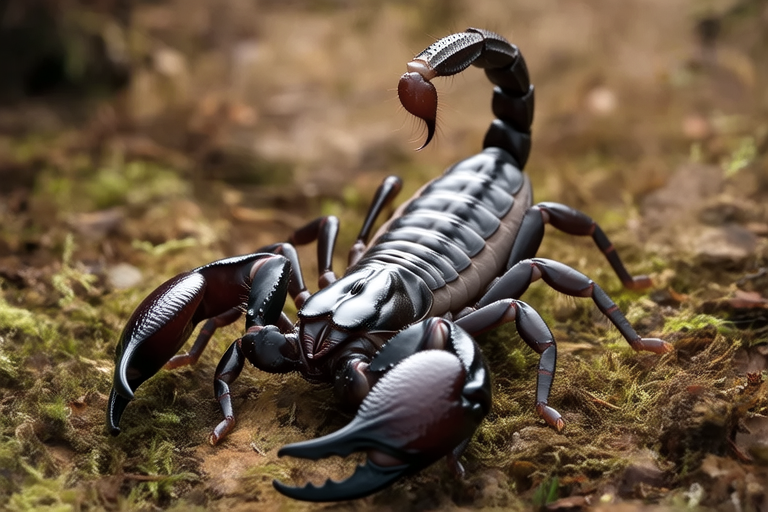
Meet the Enigmatic Heterometrus Spinifer: An In-Depth Look at This Unique Arachnid
The world of arachnids is vast and diverse, filled with creatures that have evolved to thrive in various environments. Among these fascinating arachnids is the Heterometrus spinifer, a species that stands out due to its unique physical attributes and behaviors. This article delves into the intriguing life of the Heterometrus spinifer, exploring its physical characteristics, habitat, behavior, life cycle, and the challenges it faces. Understanding this species can provide valuable insights into broader ecological systems and biodiversity.
Distinctive Physical Characteristics
The Heterometrus spinifer, also known as the spiny forest scorpion, is a medium-sized arachnid, typically reaching lengths between 8 and 12 centimeters. Its most striking feature is the series of prominent spines that line its tail, which serve as a deterrent against potential predators. These spines are sharp and extend from the telson, the bulbous tip of the tail, adding an extra layer of defense to this already formidable creature. The body of the Heterometrus spinifer is generally dark brown, blending seamlessly into the forest floor, while its legs are a lighter shade of brown, allowing it to remain camouflaged even when moving.
The spines are not merely decorative; they play a crucial role in the survival of the Heterometrus spinifer. These structures help it grip onto surfaces, enabling it to climb trees and rocks with ease. Additionally, the spines act as a warning system, signaling potential threats that the scorpion is well-equipped to defend itself. The coloration of the Heterometrus spinifer is another adaptation that aids in its survival. The darker hue of its body helps it absorb heat during cooler nights, while its lighter legs allow it to blend into the environment, making it harder for prey to detect.
Habitat and Environmental Preferences
The Heterometrus spinifer is native to the tropical forests of Southeast Asia, specifically found in countries like Thailand, Malaysia, and Indonesia. It thrives in humid environments with dense vegetation, often living among the roots of large trees or in rocky crevices. The moist soil and abundant plant life provide the ideal conditions for this species, offering both shelter and food sources. The scorpions are nocturnal, spending their days hidden in burrows or under logs and emerging at night to hunt.
The Heterometrus spinifer prefers areas with high humidity and temperatures that range from 24 to 30 degrees Celsius. These conditions are essential for maintaining the moisture levels in its body, which is crucial for its survival. The dense foliage provides cover from predators and harsh weather, creating a safe haven for the scorpion. The species is particularly adept at navigating through the complex web of roots and branches that characterize its habitat, using its powerful claws to dig through the soil and find hiding spots.
Behavior and Hunting Techniques
The Heterometrus spinifer is a solitary hunter, relying on its keen senses to locate prey. Its eyesight is relatively poor, but it compensates with an exceptional sense of touch and vibration detection. The pincers, or pedipalps, are highly sensitive and used to feel the environment, while the sensory hairs on its body alert it to the presence of nearby animals. Once a potential meal is detected, the scorpion uses its speed and agility to capture its prey, which can include insects, small vertebrates, and other arachnids.
When hunting, the Heterometrus spinifer relies on ambush tactics, lying in wait for unsuspecting prey to wander too close. It then strikes quickly, injecting venom through its stinger to immobilize the victim. The venom of the Heterometrus spinifer is potent enough to paralyze small animals, ensuring that the prey cannot escape once captured. After the initial strike, the scorpion uses its strong jaws to crush the prey’s exoskeleton or flesh, allowing it to consume its meal. Despite its fearsome appearance, the venom of the Heterometrus spinifer is generally not lethal to humans, though it can cause pain and swelling if a person is stung.
In addition to hunting, the Heterometrus spinifer plays a vital role in its ecosystem. As a predator, it helps control insect populations, preventing overpopulation that could lead to crop damage or disease transmission. The scorpion’s presence also serves as an indicator of a healthy ecosystem, as it requires specific environmental conditions to thrive. By studying the behavior of the Heterometrus spinifer, researchers can gain insights into the health of the forests it inhabits and the broader ecological balance.
Life Cycle and Unique Adaptations
The life cycle of the Heterometrus spinifer begins with mating, which occurs during the dry season when males and females come together after a period of courtship. Males perform elaborate dances to attract females, using their pincers to tap the ground and signal their readiness. Once mating has taken place, the female carries the fertilized eggs inside her body for several months before giving birth to live young.
Newborn Heterometrus spinifer scorpions, known as scorplings, are tiny replicas of their parents, measuring only a few millimeters in length. They ride on the back of the mother for the first few weeks of their lives, gaining protection from predators until they are large enough to fend for themselves. During this time, the mother provides care and guidance, teaching her offspring how to hunt and survive in the wild.
As the scorplings grow, they undergo several molts, shedding their exoskeletons to accommodate their increasing size. Each molt brings the scorpion closer to adulthood, with the final molt marking the transition to full maturity. The lifespan of the Heterometrus spinifer is approximately five to seven years, during which time it continues to adapt to its environment, developing new skills and strategies to ensure its survival.
One of the most remarkable adaptations of the Heterometrus spinifer is its ability to regenerate lost limbs. If a scorpion loses a leg or claw during a fight or accident, it can regrow the appendage over several molting cycles. This regeneration process is not perfect, however, and the new limb may be slightly smaller than the original. Despite this, the ability to regenerate limbs is a crucial survival mechanism that allows the scorpion to continue living and reproducing even after sustaining significant injuries.
Challenges and Conservation Efforts
Despite its impressive adaptations, the Heterometrus spinifer faces numerous challenges in its natural habitat. One of the primary threats comes from deforestation and habitat destruction, as logging and agricultural expansion encroach on its forest home. The loss of suitable environments not only reduces the available space for the scorpion but also disrupts the delicate balance of its ecosystem, leading to declines in prey populations.
Additionally, the Heterometrus spinifer is sometimes captured for the exotic pet trade, although its venomous nature makes it less popular among collectors compared to other scorpion species. However, illegal collection can still pose a threat to local populations. To address these issues, conservation efforts have been implemented to protect the species and its habitat. Protected areas have been established in some regions, providing safe havens for the Heterometrus spinifer and other wildlife. Educational programs aimed at raising awareness about the importance of preserving these ecosystems have also been launched, encouraging local communities to participate in conservation initiatives.
Importance of Studying the Heterometrus spinifer
Understanding the biology and behavior of the Heterometrus spinifer is crucial for comprehending broader ecological systems and biodiversity. By studying this species, researchers can gain insights into the intricate relationships between predators and prey, as well as the impact of environmental changes on ecosystems. The Heterometrus spinifer serves as a sentinel species, indicating the health of its habitat and the broader ecosystem.
Moreover, the study of the Heterometrus spinifer can contribute to advancements in medical research. The venom of the scorpion contains compounds that have shown promise in the development of new drugs for treating pain and neurological disorders. By investigating the composition and effects of these compounds, scientists can uncover potential treatments that could benefit human health.
In conclusion, the Heterometrus spinifer is a fascinating and enigmatic arachnid, with unique physical characteristics, behaviors, and adaptations that make it a valuable subject of study. By protecting and learning from this species, we can better understand the complex web of life that exists in our world and work towards preserving the biodiversity that enriches our planet.
