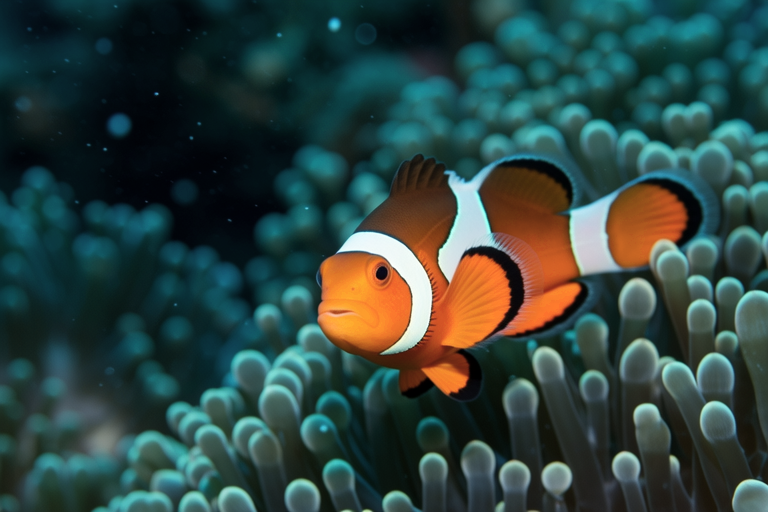
How Clownfish Survive in the Ocean—And Thrive in Home Aquaria
The vibrant and charismatic clownfish (Amphiprioninae) have captured the hearts of many with their distinctive coloration and endearing behavior. Found predominantly in tropical and subtropical waters, these small fish have a fascinating natural history and a remarkable ability to thrive in various environments, from their native coral reefs to the controlled ecosystems of home aquaria. This article explores the natural habitat of clownfish, their symbiotic relationship with sea anemones, and the unique adaptations that allow them to survive. We will also delve into how these factors influence their well-being in home aquaria, providing essential tips for aquarium owners to maintain optimal water quality, suitable tank mates, and diet specifics for clownfish. Finally, we will discuss the importance of responsible pet ownership and conservation efforts.
Natural Habitat and Symbiotic Relationship
Clownfish are native to the Indo-Pacific region, where they inhabit coral reefs and lagoons. These reefs are bustling ecosystems teeming with marine life, offering a diverse array of habitats and food sources. One of the most notable features of clownfish is their symbiotic relationship with sea anemones. Sea anemones are cnidarians, known for their stinging cells called nematocysts, which they use to capture prey and deter predators. However, clownfish possess a unique adaptation that allows them to live among these potentially deadly hosts without harm.
The relationship between clownfish and sea anemones is mutually beneficial. The anemone provides protection for the clownfish by sheltering it within its tentacles, while the clownfish reciprocates by attracting prey to the anemone through its movements and by keeping the area free of debris. Additionally, some studies suggest that clownfish may enhance the anemone’s ability to photosynthesize by increasing water circulation around it. This symbiosis has been a subject of fascination for marine biologists and aquarium enthusiasts alike.
Unique Adaptations for Survival
One of the most intriguing aspects of clownfish biology is their ability to withstand the potent toxins produced by sea anemones. While other fish would be incapacitated or killed by the anemone’s sting, clownfish have developed a specialized mucus layer that protects them from the anemone’s nematocysts. This mucus is believed to be chemically modified over time as the clownfish repeatedly encounters the anemone, allowing it to develop resistance to the toxins.
Another adaptation that aids in the survival of clownfish is their immune system. Clownfish exhibit a heightened immune response, which helps them fend off infections and diseases that could otherwise be detrimental to their health. This robust immune system is particularly crucial in the unpredictable environment of coral reefs, where pathogens and parasites are abundant. By maintaining a strong defense against these threats, clownfish can focus on growth, reproduction, and the continuation of their symbiotic relationship with sea anemones.
Thriving in Home Aquaria
Understanding the unique adaptations of clownfish is essential for ensuring their health and happiness in home aquaria. When setting up a tank for clownfish, it is crucial to replicate their natural environment as closely as possible. This includes maintaining appropriate water parameters, selecting suitable tank mates, and providing a balanced diet.
Water Quality
Optimal water quality is paramount for the health of clownfish. Regular testing of water parameters such as pH, ammonia, nitrite, and nitrate levels is necessary to ensure a stable and safe environment. Clownfish prefer slightly acidic water with a pH range of 8.1 to 8.4 and a temperature between 76°F and 82°F. Maintaining a consistent temperature is especially important, as fluctuations can stress the fish and weaken their immune systems.
Proper filtration and regular water changes are also critical for removing harmful chemicals and maintaining water clarity. A biological filter that supports the growth of beneficial bacteria is recommended to help break down waste products and keep the water clean. Additionally, using high-quality aquarium salt can help simulate the salinity of their natural habitat, further enhancing their comfort and well-being.
Suitable Tank Mates
Choosing the right tank mates is another key factor in ensuring the well-being of clownfish. While clownfish are generally peaceful and can coexist with other species, it is important to select compatible tank mates that do not pose a threat. Some suitable tank mates include small, non-aggressive fish like damselfish, cardinal tetras, and gobies. It is advisable to avoid larger, more aggressive fish that may bully or compete with clownfish for resources.
It is worth noting that clownfish are territorial and may become aggressive towards other clownfish if space is limited. To prevent this, it is recommended to house only one pair of clownfish per tank unless the tank is exceptionally large. Providing ample hiding spots and territories can also help reduce aggression and promote a harmonious community.
Diet Specifics
Feeding clownfish a balanced diet is essential for their overall health and longevity. In the wild, clownfish are omnivorous, feeding on zooplankton, algae, and small invertebrates. In captivity, a varied diet that includes high-quality flake foods, pellets, frozen foods, and occasional treats like brine shrimp or mysis shrimp can help meet their nutritional needs.
It is important to avoid overfeeding, as excess food can contribute to poor water quality and obesity. Feeding once or twice daily, with portions no larger than what the fish can consume within a few minutes, is generally sufficient. Additionally, offering a mix of protein-rich and vegetable-based foods can provide a well-rounded diet and support their immune system.
Responsible Pet Ownership and Conservation Efforts
As aquarium enthusiasts, it is our responsibility to ensure the well-being of the animals in our care and to contribute to the conservation of marine ecosystems. Responsible pet ownership involves making informed decisions about the acquisition and care of clownfish, as well as supporting sustainable practices in the aquarium trade.
When purchasing clownfish, it is advisable to choose captive-bred individuals whenever possible. Captive breeding programs not only reduce pressure on wild populations but also ensure healthier and better-adapted fish for home aquaria. Additionally, supporting reputable breeders and retailers who prioritize ethical practices can help drive positive change in the industry.
Conservation efforts are equally important for the long-term survival of clownfish and their ecosystems. Supporting organizations that work to protect coral reefs and marine biodiversity can make a significant impact. Participating in citizen science projects, reducing plastic waste, and advocating for policies that promote ocean health are all ways in which we can contribute to the preservation of these vital ecosystems.
In conclusion, understanding the natural habitat and unique adaptations of clownfish is crucial for their survival both in the wild and in captivity. By replicating their natural environment and providing optimal care in home aquaria, we can ensure the health and happiness of these fascinating creatures. Moreover, by embracing responsible pet ownership and supporting conservation efforts, we can play a vital role in preserving the future of clownfish and the ecosystems they inhabit.
