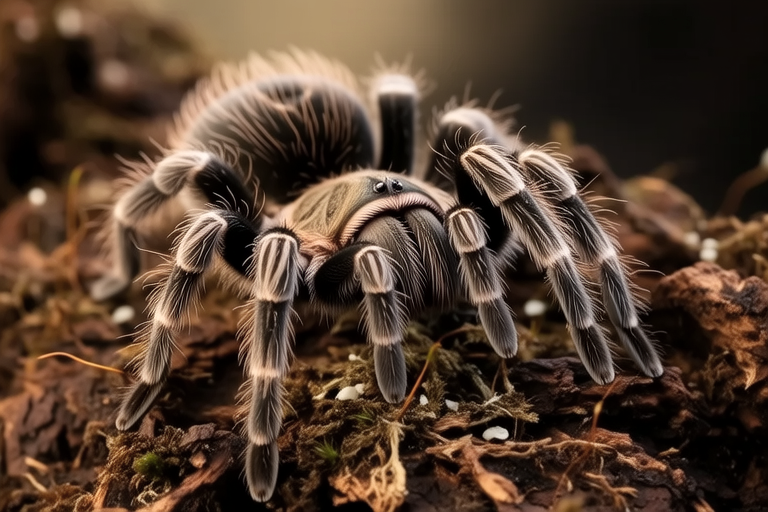
Top 10 Fascinating Facts About Keeping a Tarantula as a Pet
Tarantulas have long been shrouded in mystery and fear, often depicted in movies as terrifying creatures. However, these spiders can make fascinating and rewarding pets for those who appreciate exotic animals. With over 900 known species, there’s a tarantula that can suit every level of experience from beginner to advanced keeper. This article delves into ten captivating facts about keeping tarantulas as pets, providing insights into their care, behavior, and debunking common myths.
1. Tarantulas Can Live Up to 20 Years or More
One of the most appealing aspects of tarantulas as pets is their longevity. Depending on the species, some tarantulas can live for over two decades. The Mexican Redknee tarantula, for example, is known for its impressive lifespan, which can exceed 20 years. This makes tarantulas an excellent choice for those looking for a long-term commitment. Proper care, including maintaining optimal temperature and humidity levels, is crucial to ensure they reach their full lifespan.
2. Not All Tarantulas Are Aggressive
A common misconception is that all tarantulas are aggressive. In reality, most species are docile and unlikely to bite unless provoked. Tarantulas have various defense mechanisms, such as releasing hairs from their abdomen that irritate the skin and eyes of predators. Some species, like the Chilean Rose tarantula, are particularly gentle and can be handled carefully by experienced keepers. Always remember that handling any animal should be done with respect and care.
3. Tarantulas Have Unique Sensory Abilities
Tarantulas possess remarkable sensory capabilities that allow them to thrive in their environments. They rely heavily on vibrations to detect prey and threats. Tarantulas have specialized hairs called trichobothria, which help them sense air movements. Additionally, their pedipalps (small appendages near the mouth) are highly sensitive to touch. These adaptations enable tarantulas to navigate their surroundings effectively, even in complete darkness.
4. Tarantulas Do Not Require Much Space
Contrary to popular belief, tarantulas do not need large enclosures. A 5-gallon tank is usually sufficient for most species. It’s important to provide a secure environment with proper ventilation, substrate, and hiding spots. Creating a suitable habitat ensures your tarantula feels safe and comfortable. A well-maintained enclosure will also help prevent stress-related health issues.
5. Tarantulas Play a Crucial Role in Ecosystems
Tarantulas play a vital role in maintaining balance within their ecosystems. As predators, they control populations of insects and other small organisms. Their presence helps regulate the environment and supports biodiversity. By keeping tarantulas as pets, enthusiasts contribute to conservation efforts by promoting awareness and appreciation for these fascinating creatures.
6. Tarantulas Shed Their Exoskeleton Regularly
Tarantulas undergo a process called molting, where they shed their exoskeleton to grow. During this time, tarantulas become more vulnerable and may appear lethargic. Providing a humid environment and ensuring there are no disturbances during this period is essential. Molting is a natural part of a tarantula’s life cycle and occurs several times throughout its lifespan.
7. Tarantulas Have Different Temperament Based on Species
Different tarantula species exhibit varying temperaments, making it important to research before choosing one as a pet. For instance, species like the Mexican Redknee are generally calm and easy to handle, while others, such as the Brazilian Black, tend to be more skittish and less tolerant of human interaction. Understanding the specific needs and behaviors of your chosen species will enhance your enjoyment and success as a keeper.
8. Tarantulas Can Regrow Lost Limbs
If a tarantula loses a leg, it has the remarkable ability to regrow it during subsequent molts. This regeneration process is a testament to the resilience of these creatures. However, losing a leg can weaken the tarantula temporarily, so it’s crucial to maintain optimal living conditions to support recovery. Ensuring a clean, healthy environment is key to promoting overall well-being.
9. Tarantulas Communicate Through Vibrations
Communication among tarantulas is primarily through vibrations. Males produce specific patterns to attract females during mating season. Females respond similarly, creating intricate dances. This form of communication highlights the complexity of tarantula interactions and underscores their adaptability to various environmental cues. Observing these behaviors can provide insight into the social dynamics of tarantulas.
10. Tarantulas Have Varied Diets
The diet of a tarantula depends largely on its size and species. Most tarantulas feed on insects, but larger species may consume small vertebrates like lizards or mice. Offering a balanced diet rich in nutrients is essential for maintaining good health. Feeding your tarantula appropriately will contribute to its longevity and vitality.
Advice for Potential Owners
Before deciding to keep a tarantula as a pet, consider the following tips:
- Research: Learn about different species and their specific care requirements. Each species has unique needs regarding temperature, humidity, and diet.
- Prepare: Set up a proper enclosure with appropriate substrate, hiding spots, and ventilation. Ensure the environment mimics the natural habitat of your tarantula.
- Handle with Care: While some tarantulas are docile, always approach them gently and avoid sudden movements. Remember, they are delicate creatures.
- Monitor Health: Keep an eye out for signs of illness, such as lack of appetite, lethargy, or unusual behavior. Consult a veterinarian specializing in exotic animals if you suspect any issues.
- Commitment: Be prepared for a long-term commitment. Tarantulas require consistent care and attention to thrive.
Keeping a tarantula as a pet offers a unique opportunity to connect with nature and learn about these extraordinary creatures. By understanding their needs and respecting their boundaries, you can enjoy a rewarding relationship with your pet tarantula. For more information on tarantula care and species details, explore resources available at local reptile expos, online forums, or through professional organizations dedicated to exotic pet care.
