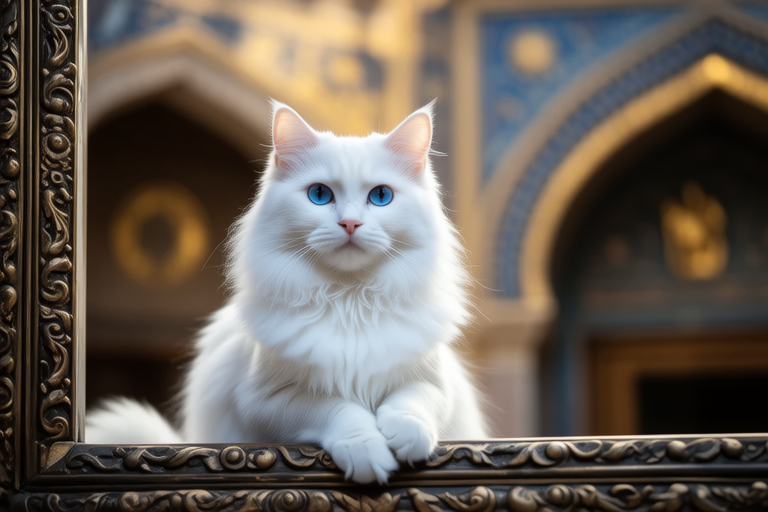
The Turkish Angora: From Royal Palaces to Modern Homes
The Turkish Angora is one of the most ancient and revered cat breeds, with a rich history that spans centuries. Known for its elegance, intelligence, and striking appearance, the Turkish Angora has captivated the hearts of cat lovers around the world. This article explores the breed’s origins, evolution, and significance, offering valuable insights for both cat enthusiasts and potential owners.
Origins and Early History
The Turkish Angora traces its roots back to the Ottoman Empire, where it was a cherished companion of royalty and nobility. These cats were often found in the palaces of the sultans, prized for their beauty and grace. The breed’s name comes from Ankara (formerly known as Angora), a city in central Turkey, which has been a center for the breeding and admiration of these cats since the 16th century.
Historically, Turkish Angoras were highly valued for their luxurious white coats and silky fur. They were considered symbols of wealth and status, often given as gifts between monarchs and dignitaries. Their presence in royal courts and harems added to their mystique, and they became closely associated with Turkish culture and heritage.
Genetic Traits and Physical Characteristics
Turkish Angoras are medium-sized cats with a slender, graceful build. They possess long, elegant legs, a fine-boned structure, and a heart-shaped face. Their large, expressive eyes are typically blue, although other colors like green or hazel can also appear. The breed’s most distinguishing feature is its semi-longhair coat, which is silky and soft to the touch.
The Turkish Angora’s coat is known for its minimal shedding, making it an excellent choice for people who prefer low-maintenance cats. However, regular grooming is still necessary to maintain the health and shine of their luxurious fur. The breed’s coat color is predominantly white, though other colors such as black, red, and tabby patterns are also recognized.
Adaptation to Contemporary Living Environments
Despite their regal past, Turkish Angoras have seamlessly adapted to modern living environments. Their intelligence and curiosity make them excellent companions in urban settings, where they enjoy exploring new spaces and engaging with their surroundings. They are social animals that thrive on interaction with their human families, often forming strong bonds with their owners.
Turkish Angoras are known for their playful and active nature, often displaying behaviors reminiscent of dogs, such as fetching toys and following their owners around the house. Their adaptability to various living conditions makes them suitable for both small apartments and larger homes. They are generally good with children and other pets when properly introduced, but their high energy levels may require plenty of playtime and mental stimulation.
Care Requirements and Health Considerations
Proper care and attention are essential to ensure the well-being of a Turkish Angora. Regular grooming is necessary to prevent matting and keep their coat healthy. Weekly brushing helps remove loose hair and distributes natural oils throughout the fur, promoting a shiny and lustrous appearance. Additionally, nail trimming, dental hygiene, and ear cleaning are important aspects of maintaining their overall health.
While Turkish Angoras are generally healthy cats, they may be prone to certain genetic conditions, such as hypertrophic cardiomyopathy (HCM). Regular veterinary check-ups and genetic testing can help identify and manage any potential health issues. A balanced diet and regular exercise are crucial for maintaining their physical fitness and preventing obesity, which can lead to various health problems.
Popular Myths and Misconceptions
One common myth about Turkish Angoras is that they are hypoallergenic. While their minimal shedding might make them less likely to trigger allergies, no cat breed is entirely hypoallergenic. People with cat allergies should spend time with individual Turkish Angoras before committing to ownership to assess their reaction.
Another misconception is that all Turkish Angoras must have blue eyes. Although blue-eyed Angoras are highly sought after, the breed standard allows for green, hazel, and even heterochromia (two different colored eyes). This diversity in eye color adds to the breed’s charm and uniqueness.
Notable Mentions and Roles in History
Turkish Angoras have played significant roles throughout history, often serving as diplomatic gifts between countries. In the early 20th century, they were exported to Europe and America, where they gained popularity among cat fanciers. Their presence at international cat shows helped establish their reputation as one of the most beautiful and intelligent cat breeds.
In more recent times, Turkish Angoras have become ambassadors of their native country, representing Turkish culture and heritage. They are featured in art, literature, and media, symbolizing elegance and sophistication. Their enduring appeal has made them a favorite subject for photographers and artists, further cementing their status as cultural icons.
Significance in Turkish Culture
The Turkish Angora holds a special place in Turkish culture, embodying the country’s rich history and traditions. They are celebrated in folklore and mythology, often portrayed as symbols of good fortune and protection. In Turkish households, these cats are considered cherished family members, treated with the same affection and respect as human family members.
The Turkish government has taken steps to preserve and promote the breed, recognizing its cultural importance. Efforts have been made to protect the breed’s genetic integrity and maintain its unique characteristics. Turkish Angoras are frequently showcased at national exhibitions and events, highlighting their role as cultural ambassadors.
Conclusion
The Turkish Angora is a breed with a storied past and a bright future. From its origins in the Ottoman palaces to its current place in modern homes, this cat has captured the hearts of many. Its elegance, intelligence, and adaptability make it an ideal companion for those seeking a loving and engaging pet. Whether you’re a seasoned cat enthusiast or considering adding a Turkish Angora to your family, understanding the breed’s history and unique characteristics will help ensure a rewarding and fulfilling relationship.
