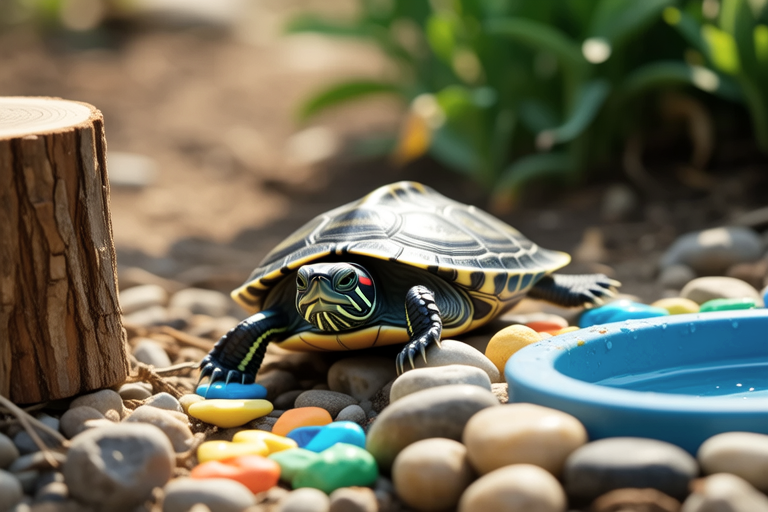
DIY Guide for Building Hermit Crab Playgrounds
Welcome to this comprehensive DIY guide on creating a playground for your hermit crabs! This guide will help you design a safe, creative, and fun environment that enhances your hermit crabs’ wellbeing. We’ll cover various playground elements, material selection, and maintenance tips to ensure a healthy habitat.
Understanding Hermit Crabs
Hermit crabs are social creatures that thrive in enriched environments. They require a mix of climbing structures, hiding spots, and interactive elements to stimulate their natural behaviors. By providing these elements, you can enhance their physical and mental health.
Selecting Safe Materials
When choosing materials for your hermit crab playground, prioritize safety and durability. Opt for non-toxic, untreated wood, glass, or ceramic items. Avoid plastics, as they may leach harmful chemicals. Natural materials like driftwood, seashells, and coconut halves make excellent additions. Ensure all materials are smooth and free from sharp edges to prevent injury.
Step-by-Step Instructions for Playground Elements
Building a Climbing Structure
- Materials: Untreated wood planks, screws, sandpaper.
- Design: Create a simple A-frame structure with varying plank heights for easy climbing.
- Construction: Assemble the frame using screws and sand any rough edges.
- Enhancements: Attach small branches or seashells for added texture and interest.
Creating Hiding Spots
- Materials: Clay pots, plastic containers, cork bark.
- Design: Arrange the containers at different angles to create multiple entry points.
- Construction: Drill ventilation holes in the containers and arrange them securely within the enclosure.
- Enhancements: Add soft substrate like coconut fiber for comfort.
Designing Water Features
- Materials: Shallow dishes, rocks, pebbles.
- Design: Place dishes at varying heights to encourage exploration.
- Construction: Fill the dishes with dechlorinated water and add rocks or pebbles for stability.
- Enhancements: Incorporate water plants for aesthetic appeal.
Adding Interactive Elements
- Materials: Ceramic bells, wooden tunnels.
- Design: Arrange elements to encourage play and exploration.
- Construction: Securely attach elements to the enclosure walls or ground.
- Enhancements: Rotate elements periodically to maintain novelty.
Maintaining a Healthy Habitat
To keep your hermit crab playground safe and enjoyable, follow these maintenance tips:
- Regularly clean the enclosure, removing waste and replacing soiled substrate.
- Monitor humidity levels, adjusting as needed to maintain optimal conditions.
- Check for signs of wear or damage on playground elements, repairing or replacing as necessary.
- Provide fresh water daily and change it regularly to prevent contamination.
- Rotate toys and decorations to keep the environment stimulating.
Enrichment Activities for Hermit Crabs
Enrichment activities are essential for hermit crab wellbeing. These activities encourage exploration, problem-solving, and social interaction. Consider the following ideas:
- Hide treats in various locations within the enclosure to promote scavenging behavior.
- Introduce new textures, such as cork bark or driftwood, to stimulate sensory exploration.
- Offer opportunities for social interaction by housing compatible hermit crabs together.
- Provide puzzle feeders or treat-dispensing toys to encourage foraging and problem-solving.
Conclusion
Building a playground for your hermit crabs is a rewarding project that enhances their quality of life. By following this guide, you can create a safe, creative, and fun environment that promotes physical and mental health. Remember to prioritize safety, choose appropriate materials, and maintain the habitat to ensure your hermit crabs thrive in their new playground.
With dedication and creativity, you can provide an enriching environment that keeps your hermit crabs happy and healthy for years to come.
