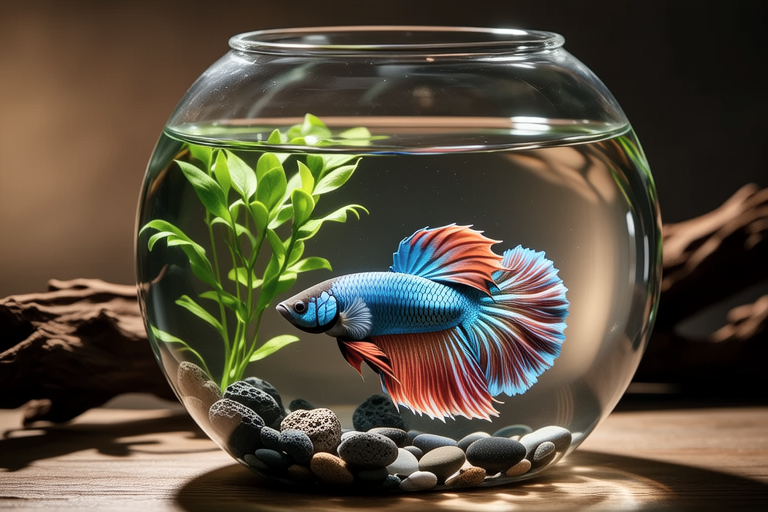
How to Create the Perfect Betta Habitat: Insider Tips for Happy, Healthy Fish
Welcome to the fascinating world of bettas! These vibrant, lively fish are not just a splash of color in your aquarium; they are a testament to the beauty of nature. Creating the perfect habitat for your betta fish requires a bit of understanding about their natural environment and some insider tips to keep them happy and healthy. This guide will walk you through everything you need to know, from the essentials of their natural habitat to common mistakes to avoid and how to maintain a thriving environment.
The Natural Habitat of Betta Fish
Betta fish, also known as Siamese fighting fish, originate from the warm, slow-moving waters of Thailand, Cambodia, Vietnam, and parts of Malaysia. Their natural habitats are characterized by dense vegetation, murky water, and low oxygen levels. Understanding these conditions helps us replicate a similar environment in captivity, which is crucial for their health and happiness.
Essential Components of a Betta’s Habitat
Water Quality
Water quality is paramount for betta health. In the wild, bettas thrive in slightly acidic water with a pH level between 6.5 and 7.0. Regularly testing and maintaining this pH range is vital. Ammonia and nitrite levels should be kept at zero, and nitrate levels should be below 20 ppm. A high-quality filter that promotes gentle water flow is recommended to prevent stagnant water, which can lead to bacterial growth.
Temperature
Bettas prefer water temperatures between 76°F and 82°F (24°C to 28°C). Consistent temperatures are key, so consider investing in a reliable aquarium heater to maintain warmth, especially during colder months. Avoid drastic temperature changes, as these can stress your betta.
pH Levels
As mentioned earlier, bettas favor slightly acidic water. Adjusting pH levels can be tricky, but it’s worth the effort to provide your betta with the best possible environment. Use pH test kits to monitor levels and adjust accordingly. Adding driftwood or peat moss to the tank can help lower pH levels if necessary.
Setting Up the Tank
Selecting the Right Tank Size
A common misconception is that bettas require only small containers. In reality, bettas need more space than what many people believe. A minimum tank size of 5 gallons is ideal, offering ample room for swimming and reducing stress. Larger tanks, around 10 gallons, are even better for long-term health.
Choosing the Right Filter
Filters are crucial for maintaining water quality. Look for filters designed for small tanks that promote gentle water flow. Overly strong currents can stress your betta, so choose wisely.
Decorations and Space
Creating a Safe and Comfortable Environment
Choose decorations that provide hiding spots and mimic the dense vegetation found in their natural habitat. Floating plants, caves, and driftwood are excellent choices. Ensure there are no sharp edges or small openings where your betta could get stuck. Decorations not only enhance the aesthetic appeal but also offer security and comfort.
Ensuring Adequate Space
Adequate space is essential for bettas to swim and explore. Avoid overcrowding the tank with too many decorations, leaving plenty of open water for your betta to move freely. This setup mimics their natural environment, promoting a healthier and happier fish.
Selecting Suitable Plants
Functional and Aesthetic Benefits
Plants serve multiple purposes in a betta habitat. They provide oxygenation, absorb harmful substances, and offer hiding spots. Choose hardy plants like java fern, anubias, and cryptocoryne for their resilience and benefits. Floating plants like hornwort can also be beneficial, as they reduce light penetration and help maintain water clarity.
Common Mistakes to Avoid
Inadequate Water Quality
One of the most frequent mistakes is neglecting water quality. Poor filtration systems, infrequent water changes, and lack of monitoring can lead to ammonia spikes, which are toxic to bettas. Regular water tests and changes are essential.
Incorrect Temperature Control
Another common error is failing to maintain consistent temperatures. Drastic temperature fluctuations can stress bettas, leading to illness. Always invest in a reliable heater and thermometer.
Lack of Proper Space
Overcrowding the tank with too many decorations can limit the betta’s movement and cause stress. Ensure there is enough open water for swimming.
Maintaining the Habitat
Regular Cleaning Schedules
Establish a routine for water changes and tank maintenance. Aim for weekly partial water changes, removing approximately 20% of the water each time. Clean the filter media and check for algae buildup. Regular maintenance ensures a clean and healthy environment for your betta.
Feeding Guidelines
Feed your betta a balanced diet of high-quality pellets and occasional treats like frozen bloodworms or brine shrimp. Feed only what they can consume in 2-3 minutes, twice daily. Overfeeding can lead to poor water quality and obesity.
Observing Betta Behavior
Regular observation of your betta’s behavior is key to ensuring their well-being. A healthy betta is active, vibrant, and displays normal feeding habits. Watch for signs of stress or illness, such as lethargy, loss of appetite, or unusual swimming patterns. Early detection of issues allows for timely intervention and treatment.
Creating the perfect betta habitat is a rewarding endeavor that enhances the lives of these beautiful fish. By understanding their natural environment and following these insider tips, you can provide a thriving home for your betta. Remember, a little extra care goes a long way in ensuring the happiness and health of your aquatic companions.
