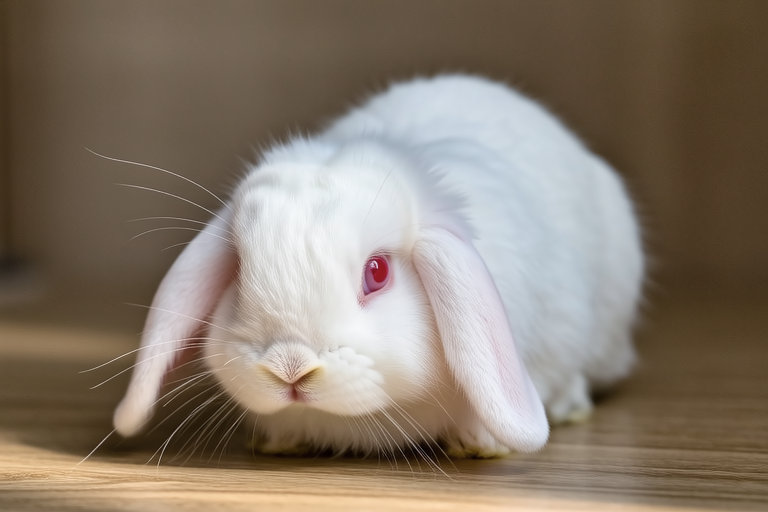
The Ultimate Dutch Dwarf Rabbit Handbook: Tips and Tricks
Welcome to the world of Dutch Dwarf rabbits! These charming, compact creatures have captured the hearts of many pet lovers. Known for their friendly demeanor and distinctive markings, Dutch Dwarfs are among the most popular breeds of domestic rabbits. This handbook will guide you through everything you need to know about owning and caring for these delightful pets.
Introduction to Dutch Dwarf Rabbits
Dutch Dwarf rabbits are a small breed that typically weigh between 1.8 to 2.7 kg (4 to 6 pounds). They are well-known for their distinct coloration, featuring a white blaze on the face, white feet, and a contrasting colored body. The coat is short and smooth, requiring minimal grooming. Despite their small size, Dutch Dwarfs are robust and hardy, making them suitable for both indoor and outdoor living.
These rabbits are highly sociable and thrive on human interaction. They are intelligent and can be trained to recognize their names and respond to simple commands. Their playful nature makes them excellent companions for families and individuals alike. With proper care, Dutch Dwarfs can live up to ten years, providing long-lasting companionship.
Care Tips for Dutch Dwarf Rabbits
Diet
A balanced diet is crucial for the health and longevity of your Dutch Dwarf rabbit. Their primary food source should be hay, which aids in digestion and dental health. Fresh grass or timothy hay is ideal. Additionally, provide a daily portion of pellets formulated for rabbits. Limit treats to occasional offerings like fresh vegetables such as carrots, broccoli, and leafy greens. Avoid feeding fruits or sugary treats, as they can cause digestive issues.
Housing
Dutch Dwarfs require a safe and comfortable environment. An indoor hutch or cage with ample space for movement is essential. The enclosure should be at least 30 inches by 36 inches and have a height of 24 inches. Ensure good ventilation and protection from drafts. Line the bottom with soft bedding like straw or shredded paper. Regular cleaning of the living area is necessary to maintain hygiene and prevent illness.
Exercise
Like all rabbits, Dutch Dwarfs need regular exercise to stay healthy. Provide them with a secure play area within your home where they can hop around and explore. Supervised outdoor time in a predator-proof enclosure is also beneficial. Always ensure the area is escape-proof and free from harmful plants or chemicals.
Grooming
Grooming your Dutch Dwarf rabbit is straightforward due to their short, dense coats. Brush them weekly with a slicker brush to remove loose hair and prevent matting. Bathing is rarely needed; instead, spot clean any soiled areas. Regular nail trimming may be required, especially if your rabbit does not wear down its nails naturally.
Common Health Issues
Despite their resilience, Dutch Dwarfs can suffer from certain health problems. Dental issues are common, often caused by poor diet or genetics. Monitor your rabbit’s eating habits and consult a veterinarian if you notice changes. Gastrointestinal stasis, characterized by reduced appetite and lethargy, requires immediate veterinary attention. Regular check-ups and a nutritious diet can help prevent many ailments.
Training and Socializing Your Dutch Dwarf Rabbit
Training your Dutch Dwarf rabbit involves patience and positive reinforcement. Start by familiarizing yourself with their favorite treats and toys. Teach basic commands like coming when called or sitting still for grooming. Use treats as rewards to encourage desired behaviors. Socialization is equally important. Spend quality time interacting with your rabbit daily, handling them gently to build trust.
Introducing your Dutch Dwarf to other pets or children requires careful supervision. Ensure everyone understands how to interact safely and respectfully. Encourage gentle play and avoid rough handling, which can stress your rabbit.
Breeding Dutch Dwarf Rabbits
If you’re interested in breeding Dutch Dwarfs, it’s essential to understand the process and responsibilities involved. Breeding rabbits should be healthy and free from genetic disorders. Consult with a veterinarian before starting a breeding program to ensure the safety and well-being of both parents and offspring. Proper nutrition, housing, and healthcare are vital during pregnancy and after birth.
Consider joining local rabbit clubs or online communities for support and guidance. Networking with experienced breeders can provide valuable insights into best practices and ethical considerations.
Resources for Further Learning
To deepen your knowledge about Dutch Dwarf rabbits, consider reading books and articles specifically focused on rabbit care. Attend workshops or seminars hosted by reputable organizations. Engaging with experienced rabbit owners and veterinarians can also offer practical advice tailored to your situation.
Remember, owning a Dutch Dwarf rabbit is a rewarding experience filled with joy and companionship. By providing them with love, care, and attention, you’ll ensure they lead happy, healthy lives.
