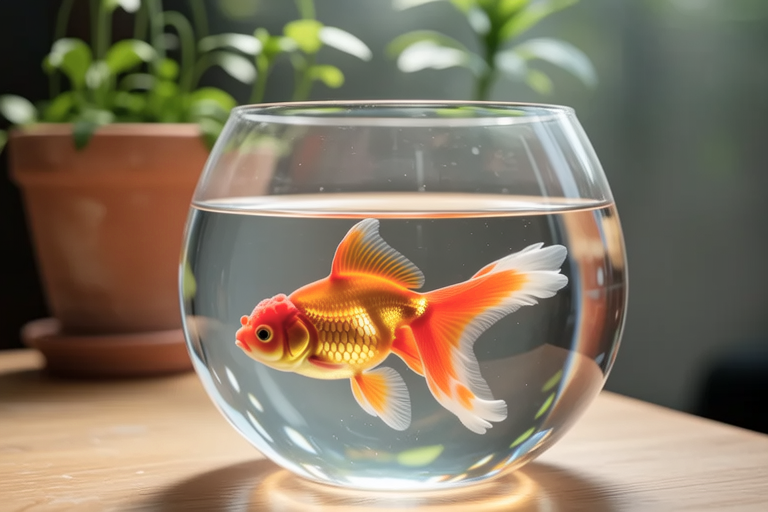
Goldfish Owners Reveal Their Best Tips for Beginners
Welcome to the fascinating world of goldfish ownership! Whether you’re a first-time fish owner or someone looking to expand your aquatic family, goldfish can be delightful companions. This guide compiles invaluable tips from seasoned goldfish owners to help you set up a thriving environment for your new friends. Dive into the essentials of setting up a proper habitat, maintaining water quality, providing a suitable diet, addressing common health issues, and enriching their lives with interactive elements.
Setting Up a Proper Habitat
The foundation of any successful goldfish tank begins with creating a comfortable and safe living space. First and foremost, invest in an appropriately sized tank. Goldfish are active swimmers, so they require ample space to move around freely. A general rule of thumb is one gallon of water per inch of goldfish. For example, a single goldfish would thrive in at least a 20-gallon tank.
Choose a tank location away from direct sunlight and drafts. Sunlight can promote algae growth, making it harder to keep the tank clean, while drafts can cause temperature fluctuations detrimental to your fish’s health. Additionally, ensure the area has good access to electricity for necessary equipment like filters and heaters.
Equip your tank with a reliable filter. Filters help maintain water quality by removing waste, excess food, and harmful substances. Look for a filter that matches your tank size and offers both mechanical and biological filtration. Mechanical filtration removes large debris, while biological filtration supports beneficial bacteria that break down toxic ammonia.
Substrate, plants, and decorations are also crucial components. Gravel or sand serves as the tank’s bottom layer, providing a natural look and helping to anchor live plants. Decorations like caves, castles, and floating logs add visual interest and create hiding spots for your goldfish. Live plants not only enhance the aesthetic appeal but also contribute to oxygenation and water quality improvement.
Maintaining Water Quality
Water quality is paramount to the health and longevity of your goldfish. Regularly monitor parameters such as pH, ammonia, nitrite, and nitrate levels. Ideally, pH should range between 6.5 and 8.0, with ammonia and nitrite levels at zero. Nitrate levels should remain below 40 ppm. Testing kits are readily available at pet stores and provide accurate readings.
Perform partial water changes every week, replacing approximately 25% of the tank’s water. Use a siphon to remove debris from the substrate and avoid disturbing beneficial bacteria colonies. Always treat tap water with a dechlorinator before adding it to the tank. Chlorine and chloramine found in tap water can be lethal to fish.
Adequate aeration is equally important. Oxygen levels in the water should remain stable to support your goldfish’s respiratory system. An air pump connected to an air stone creates bubbles that increase surface agitation, facilitating gas exchange. Alternatively, ensure your filter provides sufficient water flow to achieve this effect.
Suitable Diet Options
Feeding your goldfish a balanced diet is key to their overall health. High-quality flake food, pellets, and sinking wafers are excellent staple choices. Opt for brands that offer a variety of ingredients to cover nutritional needs. These foods typically contain protein, vitamins, minerals, and other essential nutrients.
Supplement their diet with occasional treats. Fresh vegetables like zucchini, peas, and spinach provide fiber and additional nutrients. Thaw frozen brine shrimp or bloodworms for a protein boost. However, limit these treats to once or twice a week to prevent digestive issues.
Feed your goldfish small amounts two to three times daily. Overfeeding can lead to water pollution and obesity. Observe them during feeding sessions; if they finish all the food within a couple of minutes, you’re feeding the right amount. If there’s leftover food after five minutes, reduce the portion size.
Common Health Issues
Despite your best efforts, goldfish may still encounter health problems. Recognizing symptoms early allows for timely intervention. Common issues include fin rot, Ich (Ichthyophthirius multifiliis), and swim bladder disorders.
Fish with fin rot exhibit frayed or disintegrating fins. Maintain optimal water conditions and consider treating with an antibiotic or anti-fungal medication recommended by a veterinarian. Ich presents as tiny white spots on the body and fins, causing fish to scratch against surfaces. Raise the water temperature to 82°F (28°C) for three days to accelerate parasite life cycle and use appropriate medications.
Swim bladder disorder causes buoyancy issues, preventing fish from swimming normally. It could result from overfeeding or constipation. Fast your fish for one day, then gradually reintroduce their regular diet. Adding blanched peas to their meals can aid digestion.
Regular observation and prompt action can prevent many health issues. Keep a close eye on your goldfish’s behavior, appetite, and appearance. Any sudden changes warrant immediate attention.
Interactive Ways to Enrich Goldfish Lives
Creating an enriched environment enhances your goldfish’s well-being and interaction. Incorporate toys and activities that encourage exploration and mental stimulation. Floating platforms or shelves provide resting spots and additional vertical space. Movable objects like ping pong balls or ceramic mugs can serve as interactive playthings.
Introduce live plants for natural enrichment. Besides enhancing water quality, live plants offer hiding spots and grazing opportunities. Choose species compatible with goldfish, such as java moss, anubias, and hornwort. Ensure the plants are free from pesticides or harmful chemicals.
Consider adding tank mates to foster social interactions. Compatible species include snails, shrimp, and other peaceful fish. Research each potential addition carefully to ensure compatibility in terms of temperament, size, and environmental requirements.
Lastly, engage with your goldfish through gentle handling and training. Some goldfish can learn to recognize their owners and respond to certain stimuli. Reward positive behaviors with small treats and praise. Establishing a bond with your goldfish adds another dimension to their care and enjoyment.
Conclusion
Embracing the journey of goldfish ownership comes with responsibilities and rewards. By setting up a proper habitat, maintaining water quality, offering a nutritious diet, addressing health concerns promptly, and enriching their lives, you’ll provide your goldfish with a fulfilling and healthy existence. Remember, patience and dedication are key to becoming a successful goldfish owner. Enjoy the companionship and beauty these vibrant creatures bring to your home.
