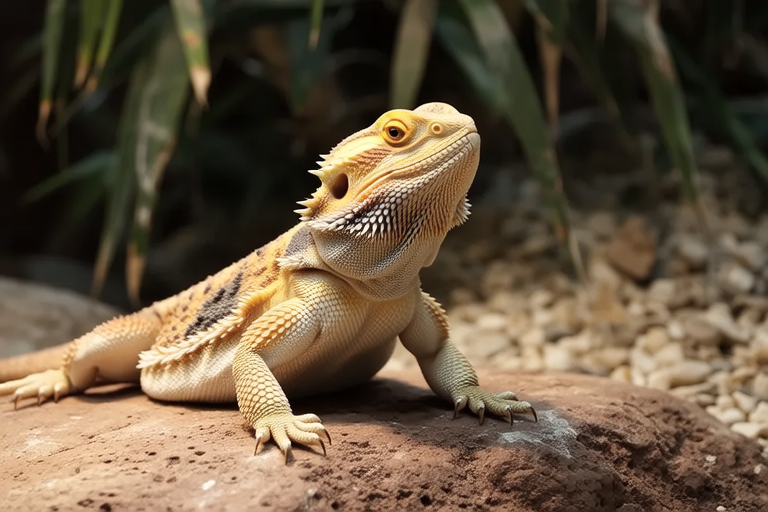
Top Secrets for Raising a Happy and Healthy Bearded Dragon
Welcome to the fascinating world of bearded dragons! These charismatic reptiles are popular pets known for their docile nature and unique appearance. Whether you’re a first-time reptile owner or have been caring for these lizards for years, there are always tips and tricks that can help ensure your bearded dragon leads a happy and healthy life. In this guide, we’ll explore the top secrets for raising a bearded dragon, covering everything from diet and habitat setup to temperature regulation and lighting requirements.
Diet: The Foundation of Health
The key to a happy and healthy bearded dragon lies in its diet. A balanced diet rich in nutrients is essential for maintaining good health. Bearded dragons are omnivores, meaning they eat both plants and animals. Their diet should include a variety of vegetables, fruits, and protein sources.
- Vegetables: Offer a wide range of vegetables such as leafy greens (kale, collard greens), squash, carrots, and bell peppers. Avoid feeding them iceberg lettuce as it has little nutritional value.
- Fruits: Fruits like strawberries, blueberries, and apples can be given occasionally but should not form a large part of their diet due to their high sugar content.
- Protein: Feed your bearded dragon insects like crickets, dubia roaches, and mealworms. Dust these insects with calcium and vitamin D3 supplements to prevent deficiencies.
Avoid feeding your dragon any food that could be harmful, such as avocado, rhubarb, spinach, or processed foods. Always ensure that the food is appropriately sized for your dragon’s mouth.
Habitat Setup: Creating a Comfortable Home
Your bearded dragon’s habitat plays a crucial role in its overall health and happiness. A well-designed enclosure provides a safe space where your pet can thrive. Here are some essential elements to consider when setting up your bearded dragon’s home:
- Size: The enclosure should be spacious enough for your dragon to move around comfortably. As a general rule, the tank should be at least 4 feet long for a juvenile and 6 feet long for an adult.
- Substrate: Use a safe substrate like reptile carpet or paper towels. Avoid loose substrates like sand or wood shavings, which can cause impaction if ingested.
- Hiding Spots: Provide several hiding spots for your dragon to retreat to when feeling stressed or tired. This can be achieved through the use of caves, tunnels, or cardboard boxes.
- Basking Spot: Ensure there is a designated basking area with a heat lamp and UVB light to mimic the sun’s rays.
Regular cleaning of the enclosure is vital to maintain hygiene and prevent the buildup of bacteria or parasites.
Temperature Regulation: Keeping It Just Right
Maintaining the correct temperature within your bearded dragon’s habitat is critical for their digestion, metabolism, and overall health. Bearded dragons are ectothermic, meaning they rely on external sources of heat to regulate their body temperature.
- Basking Spot: The basking spot should reach between 95-110°F (35-43°C) during the day. Use a thermometer to monitor the temperature accurately.
- Cool Side: The cool side of the enclosure should be around 75-85°F (24-29°C). This allows your dragon to thermoregulate by moving between warmer and cooler areas.
- Nighttime Temperatures: At night, temperatures should drop to approximately 70-75°F (21-24°C). Avoid letting the temperature fall below 65°F (18°C).
Ensure that your heating devices are securely mounted and out of reach of your dragon to prevent burns or other injuries.
Lighting Requirements: Nurturing Natural Needs
Proper lighting is essential for your bearded dragon’s physical and mental well-being. Bearded dragons require both UVB lighting and a source of heat. UVB light helps them synthesize vitamin D3, which aids in calcium absorption.
- UVB Lighting: Install a UVB bulb that covers at least 50% of the tank. Replace the bulb every 6-12 months, even if it still appears to be working, as the UVB output diminishes over time.
- Basking Lamp: Use a ceramic heat emitter or a red light bulb to provide heat during the night without disturbing your dragon’s sleep.
- Photoperiod: Maintain a consistent photoperiod of 10-12 hours of light per day to simulate natural daylight cycles.
Ensure that the lighting fixtures are positioned correctly to provide adequate coverage throughout the enclosure.
Handling Techniques: Building a Bond
Bearded dragons are generally docile and enjoy interaction with their owners. However, it’s important to handle them gently and with care to avoid stress or injury.
- Approach Slowly: When approaching your dragon, move slowly and speak softly to avoid startling it.
- Pick Up Gently: Support your dragon’s entire body when picking it up. Place one hand under its chest and the other under its hindquarters.
- Respect Boundaries: If your dragon shows signs of discomfort, such as flattening its beard or attempting to bite, it’s best to give it space.
With patience and consistency, most bearded dragons will become comfortable with handling and may even enjoy it.
Common Health Issues: Early Detection and Prevention
Despite your best efforts, bearded dragons can sometimes develop health issues. Early detection and prompt treatment are key to ensuring your dragon remains healthy. Some common health problems include:
- Mouth Rot: Characterized by swelling, redness, and pus around the mouth. Keep the enclosure clean and disinfect any tools used for feeding.
- Metabolic Bone Disease: Caused by a lack of calcium and vitamin D3. Ensure your dragon receives proper supplementation and UVB lighting.
- Impaction: Occurs when food or substrate becomes lodged in the digestive tract. Avoid loose substrates and ensure that all food is appropriately sized.
If you notice any unusual behavior or symptoms, consult a veterinarian who specializes in reptiles for diagnosis and treatment.
Regular Vet Check-Ups: A Lifesaving Habit
Scheduling regular veterinary check-ups is one of the most important things you can do for your bearded dragon. Reptile veterinarians can perform routine examinations, screen for potential health issues, and offer advice on maintaining optimal care.
During these visits, the vet will likely examine your dragon’s overall condition, take measurements, and discuss any changes in behavior or dietary habits. They may also recommend vaccinations or treatments based on your dragon’s age and health history.
Environmental Enrichment: Enhancing Quality of Life
Providing environmental enrichment can significantly enhance your bearded dragon’s quality of life. Enrichment activities stimulate mental and physical activity, reducing boredom and promoting well-being.
- Foraging: Hide treats or insects around the enclosure for your dragon to find.
- Toys: Introduce toys such as small balls or chewable objects to encourage exploration.
- Variety: Rotate decorations and rearrange the layout of the enclosure periodically to keep the environment interesting.
By incorporating these elements into your dragon’s daily routine, you can help ensure it remains engaged and stimulated.
Debunking Common Myths About Bearded Dragon Care
There are many misconceptions surrounding bearded dragon care. Let’s address some of the most prevalent myths:
- Myth: Bearded Dragons Don’t Need Water: While bearded dragons obtain much of their water from the food they eat, providing a shallow dish of clean water is beneficial.
- Myth: Sand is Safe for Substrate: Many believe that sand is a natural substrate for bearded dragons, but it poses a risk of impaction if ingested.
- Myth: Bearded Dragons Can Eat Anything: Bearded dragons have specific dietary needs and certain foods can be harmful or toxic.
By staying informed and seeking advice from reputable sources, you can ensure that you’re providing the best possible care for your bearded dragon.
Conclusion: Your Role in Ensuring Happiness and Health
Raising a happy and healthy bearded dragon requires dedication, knowledge, and attention to detail. By focusing on their diet, habitat, temperature regulation, lighting, handling, and health, you can create an environment where your dragon thrives. Remember, every bearded dragon is unique, so observe your pet closely and adjust its care accordingly.
With proper care and a loving environment, your bearded dragon can live a long and fulfilling life. Enjoy the rewarding experience of owning one of these fascinating creatures!
