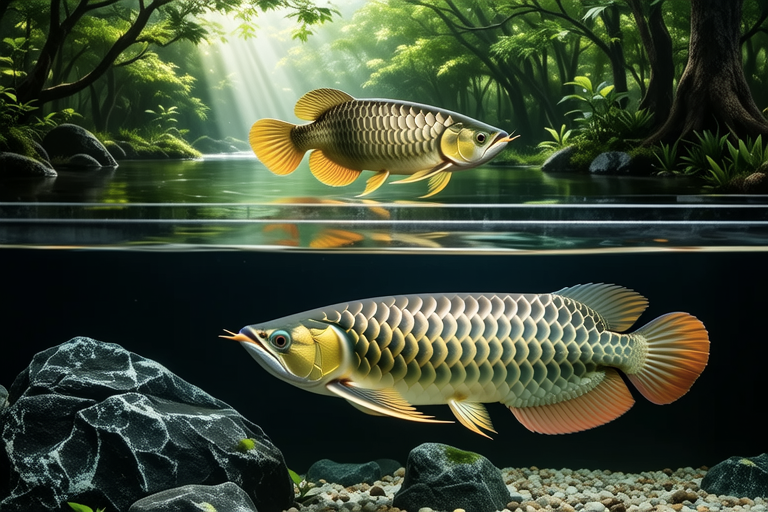
From Jungle to Tank: The Incredible Journey of Keeping Arowana Pets
The Arowana, also known as “Dragon Fish” due to its mythical appearance, is one of the most fascinating creatures in the aquatic world. Originating from the dense jungles and vast wetlands of Southeast Asia, Africa, and South America, these majestic fish have captivated humans for centuries. Their shimmering scales and powerful bodies make them a sight to behold, and their presence in home aquariums has become increasingly popular. However, the journey from the wild to a tank is fraught with challenges and considerations that every potential owner must understand.
Natural Habitat and Origins
Arowanas are native to tropical and subtropical regions, where they thrive in the warm waters of rivers and wetlands. They can be found in countries like Indonesia, Malaysia, Thailand, and Brazil. These habitats provide ample food sources, including insects, crustaceans, and smaller fish, which contribute to the Arowana’s diet. The natural environment of these fish is characterized by dense vegetation, which provides shelter and camouflage, making it easier for them to hunt and evade predators. The waters are typically soft and slightly acidic, with temperatures ranging between 78°F to 86°F (25°C to 30°C).
The Evolution of Keeping Arowanas as Pets
The history of keeping Arowanas as pets dates back several decades, primarily in regions where they naturally occur. In recent years, their popularity has spread worldwide, driven by their striking appearance and reputation for good luck in Asian cultures. However, bringing such magnificent creatures into the home is no small feat. It requires a deep understanding of their specific needs and a commitment to providing an environment that mimics their natural habitat as closely as possible.
Tank Requirements and Water Conditions
The first step in keeping an Arowana is setting up an appropriate tank. Given their size and activity level, a minimum tank size of 150 gallons (568 liters) is recommended for a single adult fish. Larger tanks, upwards of 250 gallons (946 liters), are ideal for ensuring the fish has ample space to swim and explore. The tank should be equipped with robust filtration systems capable of handling large volumes of water efficiently. Regular maintenance is crucial to keep the water clean and free from harmful substances.
Water quality is paramount for the health of your Arowana. The pH should be maintained between 6.0 and 7.5, and the temperature should remain consistent at around 82°F (28°C). Regular water changes, typically 10-20% weekly, are necessary to maintain optimal conditions. Additionally, the tank should be well-planted with sturdy plants that can withstand the fish’s occasional nibbling. Decorations like driftwood and rocks can provide hiding spots and enhance the aesthetic appeal of the tank.
Dietary Needs and Feeding Practices
Arowanas are carnivorous and require a balanced diet rich in protein. In the wild, they feed on live prey such as insects, crustaceans, and small fish. When kept as pets, it is essential to replicate this diet as closely as possible. High-quality pellets designed for large carnivorous fish are a good starting point. Supplementing with live or frozen foods like bloodworms, brine shrimp, and small feeder fish can help meet their nutritional needs. It is important to avoid overfeeding, as excess food can degrade water quality.
Legal Considerations and Conservation Status
One of the most critical aspects of owning an Arowana is understanding the legal implications. Many species of Arowana are protected under international laws, particularly the Convention on International Trade in Endangered Species of Wild Fauna and Flora (CITES). This means that importing or exporting Arowanas across borders often requires special permits. Even within countries, local regulations may restrict or prohibit the keeping of certain species.
Conservation efforts are ongoing to protect wild populations, and responsible aquarists play a vital role in supporting these initiatives. By choosing captive-bred specimens, you help reduce pressure on wild populations and support sustainable breeding practices. It is also advisable to research the origin of any Arowana you consider purchasing to ensure it comes from ethical sources.
Tips for Ensuring Health and Happiness
Once you have brought your Arowana home, there are several steps you can take to ensure its health and happiness:
- Regular Monitoring: Keep a close eye on your fish’s behavior and physical condition. Any signs of illness, such as lethargy, loss of appetite, or unusual coloration, should prompt immediate action.
- Stress Reduction: Minimize stress by maintaining stable water conditions and avoiding sudden changes in temperature or chemistry. Stress can weaken the immune system, making your fish more susceptible to diseases.
- Social Interaction: While Arowanas are generally solitary, they can coexist peacefully with other large, non-aggressive fish. However, it is crucial to introduce new tank mates gradually and monitor interactions closely.
- Proper Handling: When moving your Arowana to another container, use a net specifically designed for large fish to prevent injury. Avoid handling your fish unless absolutely necessary, as it can cause undue stress.
Responsible pet ownership is key to ensuring the well-being of your Arowana. By investing time and effort into creating an optimal environment and providing proper care, you can enjoy the beauty and wonder of these incredible creatures for many years to come.
Conclusion
From the lush jungles of Southeast Asia to the carefully maintained tanks of dedicated aquarists, the journey of the Arowana is a testament to the enduring fascination humans have with nature’s wonders. While keeping these majestic fish as pets presents unique challenges, the rewards of witnessing their grace and power in captivity are immeasurable. With careful consideration of their specific needs and a commitment to responsible ownership, you can provide a loving home for these magnificent creatures. Remember, the health and happiness of your Arowana depend on your dedication and knowledge, so approach this responsibility with enthusiasm and respect.
