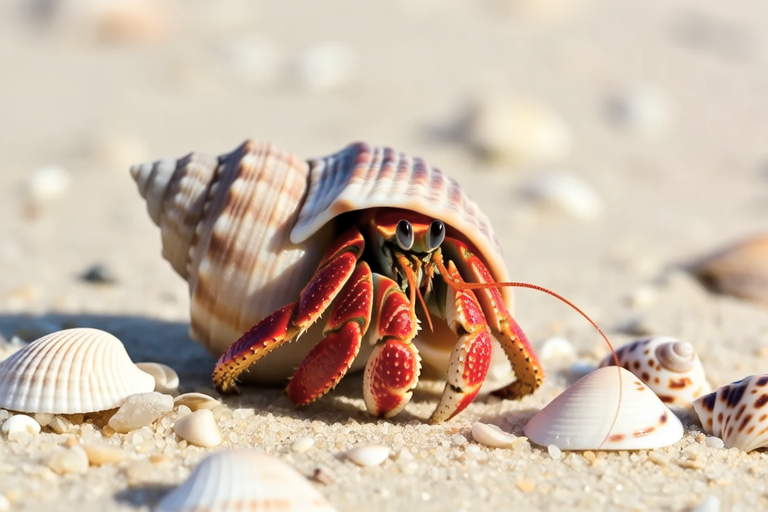
From Shell Thief to Pet Favorite: The Rise of the Hermit Crab Craze
Imagine walking into a bustling city pet store and being greeted not by barking dogs or chirping birds, but by a tiny, sideways-walking creature with claws like tiny tongs, scuttling across a sandy island in a glass tank. It pauses, antennae twitching, then suddenly darts into a spiral shell—its new home. This isn’t some forgotten scene from a sci-fi movie. It’s your average weekend at a modern urban pet shop, where hermit crabs have gone from curious oddities to beloved household companions.
Once dismissed as simple “shell thieves” with no real personality, hermit crabs are now one of the most talked-about pets in homes, classrooms, and even social media feeds. Their popularity is growing fast—not just because they’re low-maintenance, but because they’ve quietly proven to be surprisingly intelligent, social, and full of charm.
### The Secret Life of a Shell-Swapping Socialite
Let’s start with the basics: why do hermit crabs wear shells? It’s not fashion—it’s survival. Unlike other crustaceans, hermit crabs don’t grow their own hard outer shells. Instead, they rely on borrowed ones—usually empty snail shells—to protect their soft abdomens. And here’s where things get fascinating: these aren’t just random scavengers. They’re picky decorators.
Hermit crabs are known for their shell-swapping rituals, which can look almost theatrical. When a crab finds a shell it likes—say, one that fits just right and has the perfect curve—it doesn’t rush in. It carefully inspects the fit, sometimes even testing it by poking its abdomen inside before fully committing. If the shell isn’t quite right, it may wait, trade with another crab, or simply keep searching.
In fact, hermit crabs often form small communities where shell exchanges happen like mini-marketplaces. Scientists have observed them engaging in what looks like negotiation—some even seem to “test drive” multiple shells before choosing. These behaviors hint at surprising levels of decision-making and awareness.
But it’s not all about shells. Hermit crabs also communicate through vibrations and touch, using their long antennae to sense their environment. Some owners swear their crabs recognize their voices or respond when called by name—a testament to their keen senses and ability to bond.
### Why Are People Falling in Love With Hermit Crabs?
So what’s behind this quiet craze? Several factors are converging to make hermit crabs the go-to pet for a new generation of urban dwellers.
**Low Maintenance, High Reward**
Unlike dogs or cats, hermit crabs don’t need walks, grooming, or constant attention. They thrive in small, self-contained environments—perfect for apartments, dorm rooms, or offices. A well-set-up habitat requires minimal daily upkeep, making them ideal for busy people who still want a living companion.
**Quirky Personalities**
Don’t let their size fool you—hermit crabs have distinct personalities. Some are bold explorers, darting across their terrariums at the first sign of movement. Others are shy and prefer to hide until they feel safe. Many owners report watching their crabs develop habits—like always climbing to the top of a coconut fiber log at dusk or emerging only when someone approaches the tank.
**Educational Value for Kids**
Schools and parents love hermit crabs for their educational potential. Watching a crab molt—shedding its entire exoskeleton—is a natural science lesson in action. Kids learn about growth cycles, ecosystems, and animal behavior in a hands-on way. Plus, caring for a hermit crab teaches responsibility without overwhelming young minds.
**Perfect for Urban Pet Lovers**
For those living in cities where space is tight and noise restrictions apply, hermit crabs offer a peaceful alternative. No barking, no litter boxes, no allergies. They’re quiet, clean, and surprisingly interactive—especially when you set up fun features like tunnels, caves, and climbing structures.
### Setting Up a Happy Hermit Crab Home
Creating a comfortable environment for your hermit crab is easier than you think—and crucial to its health and happiness.
**Tank Size & Setup**
A single crab needs at least a 10-gallon tank (or larger if keeping more). The enclosure should mimic a tropical beach: sand (use reptile or aquarium-safe substrate), hiding spots (caves, driftwood), and climbing elements like cork bark or branches. Keep the terrain varied—crabs love exploring different textures and heights.
**Humidity & Temperature**
Humidity is key. Hermit crabs breathe through gills, so they need a moist environment—ideally 70–80% humidity. Mist the tank daily with dechlorinated water (tap water can harm them). Use a hygrometer to monitor levels. Temperatures should stay between 72–80°F (22–27°C)—warm enough to keep them active, but not too hot.
**Diet & Nutrition**
Hermit crabs are omnivores. Offer a mix of fresh fruits (bananas, apples, berries), vegetables (carrots, sweet potatoes), and protein sources like cooked chicken, fish, or commercial hermit crab pellets. Always remove uneaten food within 24 hours to prevent mold. Provide two shallow dishes—one with fresh water, one with saltwater (mix aquarium salt or marine salt in distilled water).
**The Molting Mystery**
One of the most exciting events in a hermit crab’s life is molting. During this time, the crab sheds its entire exoskeleton and grows a new one underneath. It may bury itself in the sand for weeks, appearing inactive or even dead—but don’t panic. Leave it alone. Once the new shell forms, it will emerge, often looking pale or fragile. Give it time to recover in peace.
### Common Myths and Ethical Considerations
Despite their rising fame, hermit crabs are still surrounded by misconceptions.
**Myth: “They’re just bugs.”**
Reality: Hermit crabs are complex creatures with strong senses and social behaviors. They’re not mindless scavengers—they’re thoughtful, adaptive animals capable of learning and forming bonds.
**Myth: “You can catch them from the beach.”**
While tempting, collecting wild hermit crabs is harmful. Wild populations face threats from habitat loss, pollution, and overharvesting. Most crabs sold in pet stores today are captive-bred, meaning they’re raised specifically for the pet trade under humane conditions. Buying wild-caught crabs disrupts local ecosystems and often leads to high mortality rates during transport.
**Ethical Sourcing Matters**
Always choose reputable breeders or pet stores that source crabs responsibly. Look for signs of healthy crabs: bright eyes, firm bodies, active movement. Avoid any that appear sluggish, overly thin, or missing limbs.
Also, remember: hermit crabs live for decades—some up to 30 years in captivity. Before adopting one, consider whether you’re ready for a long-term commitment.
### The Future of Hermit Crab Ownership
As our world becomes increasingly urbanized and digital, the desire for meaningful, low-impact connections with nature is stronger than ever. Hermit crabs represent a unique bridge between human curiosity and ecological awareness. They’re not just pets—they’re ambassadors of biodiversity, reminding us that even the smallest creatures have stories worth listening to.
We’re already seeing innovations in hermit crab care: smart tanks with built-in humidity sensors, biodegradable shells made from sustainable materials, and apps that track molting cycles and feeding schedules. Educational platforms are creating immersive experiences—virtual tours of tropical beaches, interactive games teaching about marine life, and citizen science projects where kids document crab behaviors.
In the coming years, we might see hermit crabs become even more integrated into classrooms, therapy settings, and eco-education programs. Their quiet presence could inspire a new generation to care deeply about conservation, sustainability, and the delicate balance of life—even in a tiny, sideways-walking crab.
### Final Thoughts: More Than Just a Pet
The journey of the hermit crab—from overlooked ocean wanderer to cherished family member—mirrors a broader shift in how we relate to animals. We’re moving beyond traditional pets toward companionship that respects individuality, promotes learning, and honors the natural world.
When you watch your hermit crab carefully inspect a new shell, climb a tower of cork bark, or emerge from its hiding spot after a long molt, you’re not just observing a creature. You’re witnessing resilience, curiosity, and a quiet kind of intelligence that doesn’t demand attention but rewards patience.
So next time you see a hermit crab in a store window—or even in a child’s school project—take a moment. That little creature is more than a novelty. It’s a reminder that wonder can come in small packages. And sometimes, the most extraordinary lives are lived in the quiet corners of our homes.
—
