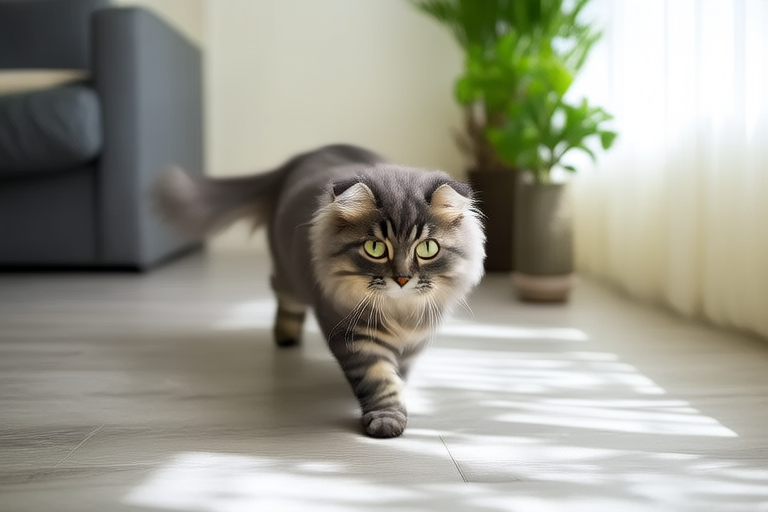
Life with a Scottish Fold: What Every Potential Owner Should Expect
Welcome to the world of Scottish Folds, a breed known for their unique appearance and delightful personalities. These cats have captured the hearts of many cat lovers with their distinctive folded ears and expressive faces. If you’re considering adopting a Scottish Fold, this guide will provide you with all the information you need to make an informed decision.
Introduction: Unique Characteristics of Scottish Folds
The Scottish Fold is a medium-sized cat with a robust body and a short, dense coat. Their most striking feature is their ears, which fold forward and down, giving them an adorable owl-like appearance. This trait is caused by a genetic mutation that affects the cartilage in their ears, making them soft and flexible. Not all kittens born to Scottish Fold parents will develop folded ears; some may have straight ears, which are often referred to as ‘single folds.’ Despite their distinct look, these cats are known for their friendly and adaptable nature.
Physical Traits
Scottish Folds come in various colors and patterns, including solid, tabby, bicolor, and pointed. Their eyes are typically large and round, adding to their charming expression. The breed’s medium-length fur requires regular grooming to prevent matting, especially during shedding seasons. Their compact, muscular bodies are well-suited for their playful and active lifestyle.
Temperament
Scottish Folds are known for their gentle and affectionate nature. They enjoy interacting with their human companions and are often described as being dog-like in their loyalty and attachment. These cats tend to be calm and laid-back, making them suitable for households with children and other pets. However, they still retain a playful side and can be quite curious, always ready to explore new environments and engage in interactive play.
Common Health Issues
While Scottish Folds are generally healthy, they are prone to certain health conditions due to their genetic makeup. One of the most significant concerns is osteochondrodysplasia (OCD), a condition affecting the development of bones and cartilage. This can lead to joint problems, particularly in the tail and legs. It’s crucial to choose a reputable breeder who screens their breeding stock for this condition. Regular veterinary check-ups and a balanced diet can help manage any potential issues.
Grooming Needs
Scottish Folds have a short, dense coat that requires weekly brushing to remove loose hair and prevent mats. During shedding season, more frequent grooming may be necessary. Bathing is generally not required unless the cat gets excessively dirty. Nail trimming and dental care are also essential aspects of maintaining your cat’s overall health. Providing scratching posts and toys can help keep their claws trimmed naturally.
Dietary Requirements
A high-quality diet is vital for the health and longevity of your Scottish Fold. Consult with your veterinarian to determine the appropriate amount of food and the best type of cat food for your pet. Scottish Folds may be prone to obesity, so it’s important to monitor their weight and adjust their diet accordingly. Fresh water should always be available, and treats should be given sparingly to avoid overfeeding.
Exercise Preferences
Despite their relatively small size, Scottish Folds are quite active and enjoy playing and exploring. Interactive toys, such as feather wands and laser pointers, can help stimulate their minds and keep them physically fit. Providing climbing structures and perches allows them to exercise their natural instincts and explore their surroundings. Daily play sessions can also strengthen the bond between you and your cat.
Time and Financial Commitment
Owning a Scottish Fold is a long-term commitment that requires both time and financial resources. Cats, like all pets, require regular veterinary care, including vaccinations, spaying or neutering, and routine check-ups. Grooming supplies, toys, and food are ongoing expenses. Additionally, Scottish Folds need daily interaction and attention to thrive. Consider your schedule and lifestyle to ensure you can provide the care and companionship they deserve.
Creating a Safe and Stimulating Environment
To ensure your Scottish Fold thrives, create a safe and stimulating environment within your home. Secure windows and doors to prevent escapes, and cover electrical cords to avoid accidents. Provide a variety of toys and scratching posts to keep your cat entertained. A litter box should be easily accessible and cleaned regularly. Designating a quiet space for your cat can also help them feel secure and comfortable.
Personal Experiences and Testimonials
“We adopted our Scottish Fold, Whiskers, two years ago, and he has brought so much joy to our family,” says Sarah, a proud owner. “He’s incredibly affectionate and loves to snuggle up on the couch with us. We’ve noticed that he enjoys playing fetch with a small ball, and he’s always eager to participate in family activities.”
Another owner, Mark, shares his experience: “Our Scottish Fold, Luna, is the perfect balance of playful and relaxed. She’s very social and gets along well with our other pets. We’ve found that providing her with a variety of toys keeps her entertained and prevents boredom. Regular visits to the vet have helped us stay on top of her health, and we’re grateful for the companionship she brings to our home.”
In conclusion, owning a Scottish Fold can be a rewarding experience for those willing to commit to their care and well-being. By understanding their unique needs and providing a loving, supportive environment, you can ensure a happy and healthy life for your feline friend. Take the time to research and prepare before bringing a Scottish Fold into your home, and you’ll be rewarded with a lifetime of companionship and love.
