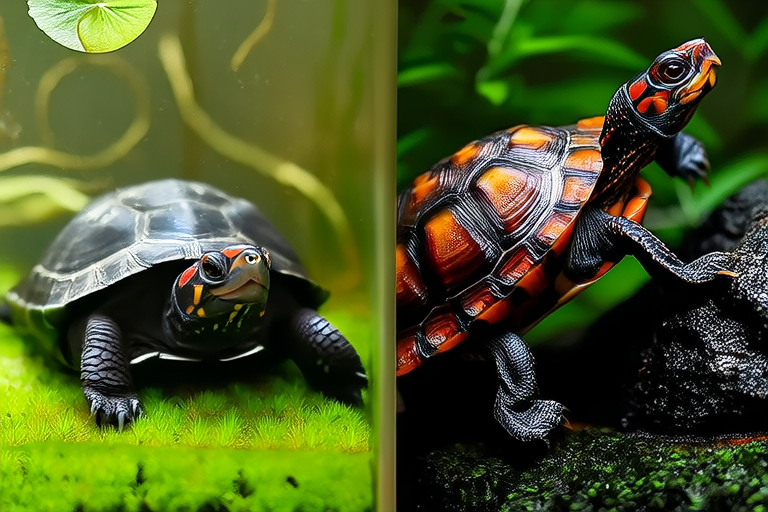
From Turtle Tank to Terrarium Treasure: The Complete Journey of Red-Eared Sliders
Introduction:
The red-eared slider (Trachemys scripta elegans) is one of the most popular pet turtles worldwide. Known for their vibrant coloration and easy maintenance, these semi-aquatic creatures are adored by many. Their striking red patches behind the eyes and their adaptable nature make them ideal pets for beginners and experienced reptile enthusiasts alike. However, owning a red-eared slider requires more than just a tank; it demands commitment, knowledge, and proper care to ensure they thrive.
Initial Setup: Creating a Healthy Habitat
Setting up the right environment is crucial for your red-eared slider’s health. A well-planned tank ensures that your turtle has enough space to swim and bask comfortably. For a single adult turtle, a tank size of at least 75 gallons is recommended, providing ample room for swimming and basking. Larger tanks are preferable for multiple turtles or when planning for future growth.
Water quality is paramount. Regularly change the water to prevent bacterial buildup, which can lead to infections. Utilize a high-quality filtration system to maintain clean water. Essential equipment includes a UVB light source for vitamin D synthesis, a basking area, and a reliable thermometer to monitor water temperature, ideally between 75°F and 80°F.
Dietary Requirements: Ensuring Balanced Nutrition
Red-eared sliders are omnivores, requiring a diet rich in both proteins and vegetables. Juvenile turtles need more protein for growth, while adults benefit from a balanced mix. Offer a variety of foods such as commercial turtle pellets, leafy greens like romaine lettuce, and occasional treats like earthworms or mealworms. Avoid feeding bread or processed human food, as these can cause digestive issues. Ensure that all food is fresh and appropriately sized for your turtle.
Common Health Issues and Preventive Care
Despite being hardy, red-eared sliders can suffer from various health issues. Respiratory infections, shell rot, and metabolic bone disease are common. Preventive measures include maintaining optimal water quality and temperature, ensuring adequate UVB exposure, and providing a balanced diet. Regular vet check-ups are also advisable. Early detection of symptoms such as lethargy, loss of appetite, or unusual behavior is key to effective treatment.
Behavioral Aspects: Understanding Your Pet
Red-eared sliders are generally calm and docile, making them suitable for interaction with owners. They enjoy basking in the sun and swimming, behaviors that can be observed through careful observation. Interaction should be gentle and limited to avoid stressing the turtle. Always wash your hands before and after handling to prevent the spread of bacteria.
Transitioning from Beginner to Advanced Care
Owning a red-eared slider is a long-term commitment. As you become more experienced, consider learning about advanced care techniques, such as breeding or dealing with specific health challenges. Continuous learning and adaptation are essential to provide the best care possible. Joining local reptile clubs or online forums can offer valuable insights and support.
Conclusion:
From the initial setup to advanced care, understanding the complete journey of a red-eared slider is vital for their well-being. With proper care, these fascinating creatures can live for decades, bringing joy and companionship to their owners. Embrace the responsibility and enjoy the rewarding experience of caring for a terrarium treasure.
