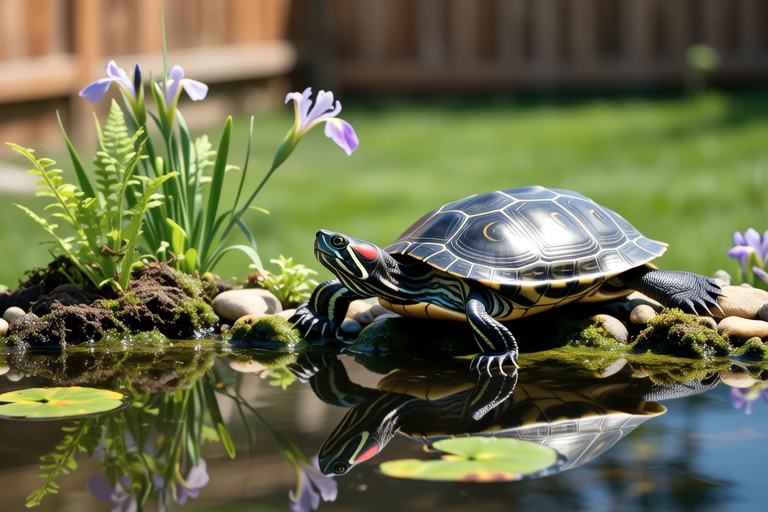
Transforming Your Backyard into an Ideal Habitat for Red-Eared Sliders
Introduction:
Red-eared sliders (Trachemys scripta elegans) are popular aquatic turtles known for their vibrant coloration and engaging personalities. Creating a suitable habitat for them in your backyard requires careful planning and attention to detail to ensure their health and well-being. This comprehensive guide will cover everything you need to know about transforming your backyard into an ideal habitat for red-eared sliders.
Suitable Pond Size and Depth
The first step in creating an ideal habitat for red-eared sliders is determining the appropriate pond size and depth. Red-eared sliders are semi-aquatic turtles that require ample space to swim and explore. A general rule of thumb is to provide at least 10 gallons of water per inch of shell length for each turtle. For example, a full-grown red-eared slider with a shell length of 6 inches would require approximately 60 gallons of water.
Depth is equally important. The pond should have varying depths to cater to different behaviors and needs. Ensure there is a shallow area where turtles can easily exit the water to bask and a deeper section for swimming and diving. A depth of at least 18 inches is recommended for adult red-eared sliders.
Filtration Systems
To maintain clean and healthy water, a reliable filtration system is essential. Filtration helps remove waste, debris, and excess nutrients that can lead to poor water quality. Choose a filter that is appropriate for the size of your pond and provides both mechanical and biological filtration. Mechanical filtration removes large particles like leaves and uneaten food, while biological filtration supports beneficial bacteria that break down harmful compounds.
In addition to a filtration system, consider incorporating regular water changes to further improve water quality. Aim to change 20% of the water weekly or more frequently if necessary. Always use dechlorinated water to avoid exposing your turtles to harmful chemicals.
Basking Areas
Basking is a crucial behavior for red-eared sliders as it allows them to regulate their body temperature and dry off after swimming. Providing a safe and comfortable basking area is vital for their health. Construct a platform that is easy for the turtles to climb onto and offers ample space for all residents. The platform should be partially submerged so the turtles can easily enter and exit the water.
Select a location in the pond where the basking area receives direct sunlight for several hours daily. This will help the turtles warm up and synthesize vitamin D3, which is essential for calcium absorption. You can also add plants or other decorations around the basking area to create a natural and aesthetically pleasing environment.
Water Quality Maintenance
Maintaining optimal water quality is critical for the health of red-eared sliders. In addition to using a filtration system and performing regular water changes, monitor water parameters regularly. Key factors to check include pH levels, ammonia, nitrite, and nitrate concentrations. Keep the pH between 6.5 and 8.0, and aim for zero detectable levels of ammonia and nitrite. Nitrate levels should be kept below 40 ppm.
To achieve this, conduct water tests at least once a week and adjust as needed. Consider using water conditioners specifically designed for reptile habitats to neutralize harmful substances and enhance water quality.
UV Lighting Requirements
Ultraviolet (UV) light is vital for red-eared sliders to produce vitamin D3, which aids in calcium absorption and overall bone health. Provide a source of UVB lighting that covers the entire basking area. UVB bulbs should be replaced every six months or according to the manufacturer’s recommendations, as they lose effectiveness over time.
Ensure the turtles receive at least 10-12 hours of UVB light daily. Position the UVB bulb approximately 12-18 inches above the basking area to maximize its effectiveness. Additionally, offer a variety of hiding spots and climbing structures to encourage natural behaviors and stimulate mental and physical activity.
Proper Substrate
The substrate in your pond plays a significant role in maintaining water quality and providing a natural environment for your turtles. Gravel or small pebbles are suitable options for the bottom of the pond. These substrates allow for better water circulation and make it easier to spot uneaten food or waste. Avoid using sharp or rough materials that could potentially harm your turtles.
For the basking area, consider using flat rocks or wooden platforms that are smooth and easy to clean. Ensure the substrate does not retain moisture, as damp conditions can lead to bacterial growth and respiratory issues for the turtles.
Temperature Control
Red-eared sliders are ectothermic animals, meaning they rely on external sources to regulate their body temperature. Maintaining the correct water and air temperatures is essential for their health. Water temperatures should range between 75°F and 80°F (24°C to 27°C), while the basking area should reach approximately 90°F (32°C).
During colder months, supplemental heating may be necessary to maintain optimal temperatures. Consider using submersible heaters to keep the water warm and heat lamps or ceramic heat emitters to warm the basking area. Always use thermostats to prevent overheating and ensure consistent temperatures.
Dietary Needs
A balanced diet is crucial for the health and longevity of red-eared sliders. Their diet should consist of a combination of commercial turtle pellets, fresh vegetables, and occasional live foods. Commercial pellets formulated for aquatic turtles provide essential nutrients and vitamins. Offer a variety of leafy greens such as romaine lettuce, collard greens, and mustard greens as well as fruits like strawberries and blueberries in moderation.
Live foods like earthworms, crickets, and feeder fish can be offered occasionally to supplement their diet. Ensure that any live food is pesticide-free and appropriately sized for your turtles. Feed your turtles daily, but only offer as much as they can consume within 15 minutes to prevent overfeeding and water pollution.
Safety from Predators
Protecting your red-eared sliders from predators is a top priority. Common threats include raccoons, herons, and domestic pets. To minimize the risk of predation, install a secure fence around your pond. The fence should extend at least 12 inches underground to prevent burrowing animals from accessing the pond. Additionally, consider covering the pond with a mesh screen or netting during the night or when you are away.
Regularly inspect the pond for signs of damage or gaps in the fencing. Ensure that the fence is high enough to deter climbing animals and sturdy enough to withstand potential attacks.
Legal Considerations Regarding Turtle Ownership
Before acquiring red-eared sliders, research and comply with local regulations regarding turtle ownership. Some regions have restrictions on the number of turtles one can own or specific requirements for housing and care. Additionally, red-eared sliders are considered an invasive species in some areas, so releasing them into the wild is illegal and environmentally harmful.
Obtain turtles from reputable breeders or rescue organizations to support ethical practices and reduce the demand for wild-caught individuals. Proper documentation and permits may be required for purchasing or transporting turtles across state lines.
Environmental Enrichment Tips
To promote the health and well-being of your red-eared sliders, incorporate environmental enrichment into their habitat. Provide a variety of hiding spots, climbing structures, and floating logs or platforms. These additions encourage exploration and stimulate natural behaviors.
Rotate toys and decorations periodically to maintain interest and engagement. Consider adding live plants to the pond to create a more natural environment and provide additional hiding spots. Ensure that any plants are non-toxic and safe for your turtles.
Encourage social interactions by housing compatible turtles together. However, closely monitor their behavior to ensure peaceful coexistence. If aggression occurs, separate the turtles to prevent injury.
Conclusion
Creating an ideal habitat for red-eared sliders in your backyard requires careful planning and attention to detail. By providing the right pond size and depth, a reliable filtration system, adequate basking areas, and maintaining optimal water quality, you can ensure the health and well-being of your turtles. Incorporating UV lighting, proper substrate, temperature control, and a balanced diet will further contribute to their overall health.
Remember to protect your turtles from predators and stay informed about legal considerations regarding turtle ownership. By following these guidelines and incorporating environmental enrichment, you can transform your backyard into a thriving habitat that promotes the health and happiness of your red-eared sliders.
