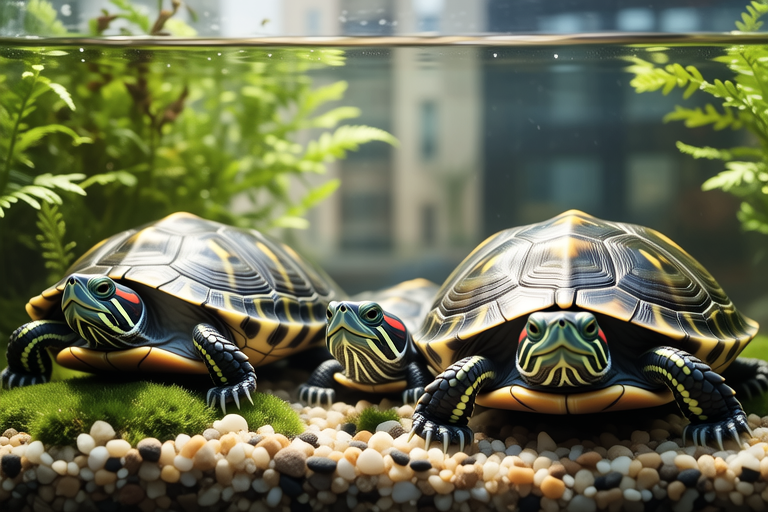
Saving Spaces with Three-Striped Box Turtles: Urban Pet Owners Rejoice!
For many urban dwellers, the idea of keeping a pet often comes with a significant challenge: space. Apartments, condos, and small homes can feel cramped even without animals. However, there’s a solution that fits perfectly into the limited spaces of city life: the three-striped box turtle. This unique reptile is an ideal pet for those living in urban environments, offering a combination of low-maintenance care and delightful companionship. In this article, we will explore why the three-striped box turtle is perfect for urban pet owners, detailing its habitat requirements, diet, care tips, and how it differs from other turtle species in terms of maintenance in small spaces.
The Perfect Urban Companion
Three-striped box turtles (Terrapene carolina triunguis) are native to the southeastern United States and are named for the three yellow stripes running along each side of their head. These charming creatures have a reputation for being gentle, docile, and relatively easy to care for, making them an excellent choice for first-time reptile owners or those with limited experience. Their compact size and manageable care requirements make them ideal for apartment living.
Habitat Requirements
One of the most appealing aspects of owning a three-striped box turtle is the minimal space needed for its habitat. Unlike larger turtles, such as red-eared sliders, which require large tanks or ponds, three-striped box turtles can thrive in a smaller enclosure. A standard 20-gallon aquarium or a custom-built wooden vivarium is usually sufficient for one adult turtle. The key to creating a suitable habitat lies in replicating the natural environment of these turtles.
The substrate should be a mix of soil and sphagnum moss to provide a natural setting and help maintain humidity levels. Add a shallow water dish for soaking and drinking, ensuring it is deep enough for the turtle to submerge itself but not so deep that it poses a drowning risk. Additionally, include a hide box or log for the turtle to retreat to when it feels stressed or wants privacy. Proper lighting is crucial; a UVB light source should be provided to ensure the turtle gets the necessary vitamin D3 for calcium absorption and overall health.
Diet and Nutrition
Three-striped box turtles are omnivorous, meaning they eat both plant matter and animal protein. Their diet can be easily accommodated within the confines of an urban home. Younger turtles tend to eat more insects and worms, while adults favor fruits, vegetables, and leafy greens. A balanced diet for your turtle might include earthworms, mealworms, crickets, and a variety of fresh produce like strawberries, kale, and squash.
It’s important to supplement their diet with calcium and vitamins to prevent nutritional deficiencies. Commercial turtle pellets can also be included in their meals for added nutrients. Always ensure that any food items you offer are pesticide-free and properly washed to avoid introducing harmful chemicals into your turtle’s diet.
Care Tips for Urban Pet Owners
Maintaining a healthy and happy three-striped box turtle requires attention to several key areas:
- Temperature and Humidity: Like many reptiles, three-striped box turtles are ectothermic, meaning they rely on external heat sources to regulate their body temperature. Keep the ambient temperature between 75°F and 85°F (24°C to 29°C), with a basking area reaching up to 90°F (32°C). Maintain humidity levels at around 60% to 70% by misting the enclosure regularly or using a humidifier.
- Handling: While three-striped box turtles are generally docile, they should still be handled gently and infrequently to avoid stress. Always support their entire body when picking them up, and wash your hands before and after handling to prevent the spread of bacteria.
- Health Checks: Regularly monitor your turtle for signs of illness, such as lethargy, loss of appetite, or abnormal behavior. Annual veterinary check-ups are recommended to ensure your turtle remains healthy.
Differences from Other Turtle Species
Compared to other turtle species, three-striped box turtles are particularly well-suited for urban environments. Their smaller size means they don’t require as much space, making them easier to accommodate in apartments or small homes. Additionally, they are less demanding in terms of water depth and filtration systems, which are often necessary for aquatic turtles.
Another advantage of three-striped box turtles is their longevity. With proper care, they can live up to 30 years or more, providing long-term companionship for their owners. This makes them a worthwhile investment for those looking for a pet that will be part of their family for decades.
The Joy of Urban Pet Ownership
Owning a three-striped box turtle can bring immense joy and companionship to city dwellers. Watching these curious creatures explore their habitat, soak in their water dish, or munch on their favorite fruits and vegetables can be a delightful experience. They are intelligent and can recognize their owners, often showing signs of happiness when they see familiar faces.
Moreover, caring for a three-striped box turtle can teach valuable lessons about responsibility, patience, and respect for nature. For families, these turtles can serve as educational tools, helping children learn about wildlife conservation and the importance of providing proper care for animals.
Conclusion
Three-striped box turtles are an excellent choice for urban pet owners seeking a low-maintenance, space-efficient companion. Their compact size, manageable habitat requirements, and friendly demeanor make them ideal for apartment living. By providing the right environment, diet, and care, these turtles can bring years of joy and companionship to their human families.
If you’re considering adding a three-striped box turtle to your urban household, take the time to research and prepare adequately. With the right setup and care, these fascinating reptiles can thrive in your home, becoming cherished members of your family. Embrace the opportunity to connect with nature and enjoy the unique bond that comes with caring for these delightful creatures.
