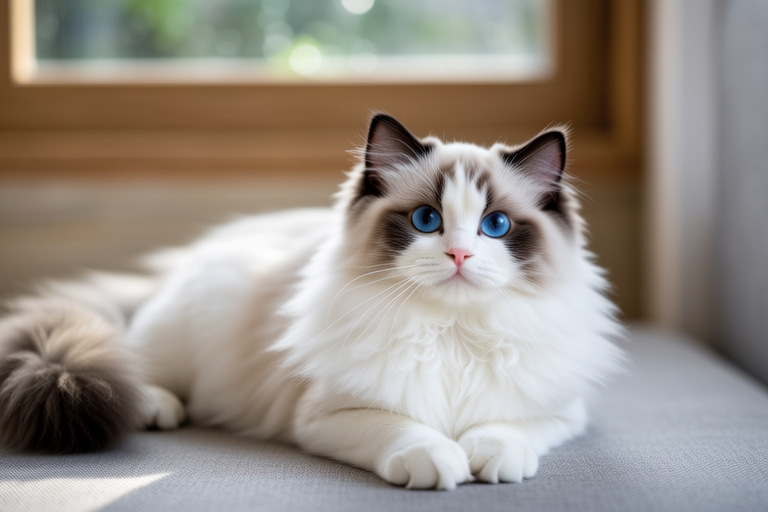
Ragdolls Unleashed: Discovering Loyalty and Laziness in One Breed
Welcome to the fascinating world of Ragdoll cats, a breed that has captured the hearts of many with its unique blend of loyalty, affection, and a reputation for being somewhat lazy. These enchanting creatures have a rich history and a distinct set of characteristics that make them stand out among other feline breeds. In this article, we will delve into the origins of the Ragdoll, explore their ideal living conditions, discuss grooming needs, highlight health considerations, and provide tips for potential owners. Let’s embark on a journey to discover what makes Ragdolls such special companions.
The History of Ragdolls
The story of Ragdolls begins in the 1960s when Ann Baker, a breeder from Riverside, California, created the breed by selectively breeding long-haired white cats. The name ‘Ragdoll’ was coined because these cats often go limp like rag dolls when picked up, a trait that endears them to their owners. Over the years, Ragdolls have gained popularity due to their docile temperament and striking appearance. Today, they are recognized by major cat registries worldwide, including The International Cat Association (TICA) and the Cat Fanciers’ Association (CFA).
Unique Traits: Loyalty and Affection
Ragdolls are known for their exceptional loyalty and affectionate nature. Unlike some breeds that can be aloof or independent, Ragdolls thrive on human interaction and companionship. They form strong bonds with their families and are often seen following their owners around the house, seeking attention and affection. Their gentle demeanor makes them excellent companions for children and other pets, provided proper introductions are made.
One of the most charming aspects of Ragdolls is their tendency to go limp when held. This behavior, which gives them their name, is a testament to their relaxed and trusting nature. They enjoy being carried and cuddled, making them ideal lap cats. Their loyalty extends beyond just being affectionate; Ragdolls are known to greet their owners at the door and may even follow them from room to room, ensuring they are never far away.
The Lazy Side of Ragdolls
While Ragdolls are incredibly loving and loyal, they also have a well-deserved reputation for being somewhat lazy. This doesn’t mean they are inactive, but rather that they prefer to conserve their energy for more enjoyable activities. Ragdolls are content to spend hours lounging around the house, finding cozy spots to nap or simply observing their surroundings. They are not overly active or hyper, which makes them suitable for households where a calm and peaceful environment is preferred.
Despite their laid-back nature, Ragdolls can still be playful, especially during their younger years. They enjoy interactive toys and games that stimulate their minds and bodies. Providing them with appropriate outlets for play can help maintain their physical and mental well-being. However, it’s important to note that Ragdolls are not the type of cat that demands constant attention or engagement. They are happy to entertain themselves with a good nap or a quiet moment alone.
Ideal Living Conditions
Ragdolls are adaptable to various living environments, but they do have certain preferences that can enhance their quality of life. They thrive in homes where they can establish a routine and feel secure. A comfortable, warm bed in a quiet corner of the house is ideal, as Ragdolls love their downtime. They also appreciate having access to windowsills where they can observe the outside world, providing mental stimulation without the need for outdoor exploration.
If you live in a multi-story home, consider placing litter boxes and food stations on different floors to accommodate your Ragdoll’s preference for comfort. Additionally, providing vertical spaces like cat trees or shelves allows them to climb and perch, which can be satisfying for their natural instincts. It’s important to ensure that any climbing structures are sturdy and safe for your cat.
Grooming Needs
Ragdolls have semi-longhair coats that require regular grooming to keep them looking their best. Their fur is soft and silky, and while they do shed, consistent brushing can minimize the amount of hair left around the house. Aim to brush your Ragdoll at least twice a week, paying extra attention to areas prone to matting, such as behind the ears and under the tail. Using a slicker brush or a wide-toothed comb can help remove loose fur and prevent tangles.
Bathing your Ragdoll is generally not necessary unless they get particularly dirty or matted. If you do choose to bathe them, use a gentle cat shampoo and ensure the water temperature is warm but not hot. After bathing, dry them thoroughly with a towel or a blow dryer set on low heat. Regular nail trimming is also essential to prevent overgrowth and discomfort. Consult with your veterinarian for guidance on proper grooming techniques and frequency.
Health Considerations
Like all breeds, Ragdolls are susceptible to certain health issues, but with proper care and attention, many of these can be managed effectively. One common concern for Ragdolls is hypertrophic cardiomyopathy (HCM), a heart condition that affects the heart muscle. Early detection through regular veterinary check-ups and genetic testing can help monitor and manage this condition.
Another issue to be aware of is obesity, which can lead to various health problems including diabetes and joint issues. Maintaining a healthy diet and ensuring regular exercise can help prevent weight gain. Feed your Ragdoll a balanced diet formulated for indoor cats, and consider incorporating interactive feeding toys to encourage activity. Regular vet visits are crucial for monitoring your cat’s overall health and addressing any concerns promptly.
Tips for Potential Owners
Considering adding a Ragdoll to your family? Here are some tips to ensure a smooth transition:
- Patience and Consistency: Ragdolls respond well to gentle handling and positive reinforcement. Be patient during the bonding process, and consistency in routines will help them feel secure.
- Interactive Play: While Ragdolls are not high-energy cats, they still enjoy playtime. Use toys that engage their curiosity and provide mental stimulation.
- Socialization: Introduce your Ragdoll to various people, animals, and environments gradually to ensure they grow up to be well-adjusted and confident.
- Comfort and Security: Create a comfortable and secure environment for your Ragdoll. Provide them with a variety of cozy spots to rest and hide if they feel overwhelmed.
- Veterinary Care: Schedule regular vet appointments and vaccinations. Discuss any concerns about potential health issues with your vet to develop a proactive care plan.
Conclusion
Ragdolls are truly one-of-a-kind companions, offering a delightful combination of loyalty, affection, and a laid-back lifestyle. Their history, unique traits, and specific care requirements make them a rewarding choice for those looking for a special feline friend. Whether you’re an experienced cat owner or new to the joys of pet ownership, a Ragdoll can bring immense happiness and companionship into your home. By understanding their needs and providing them with love and care, you can ensure a fulfilling and joyful relationship with these enchanting creatures.
