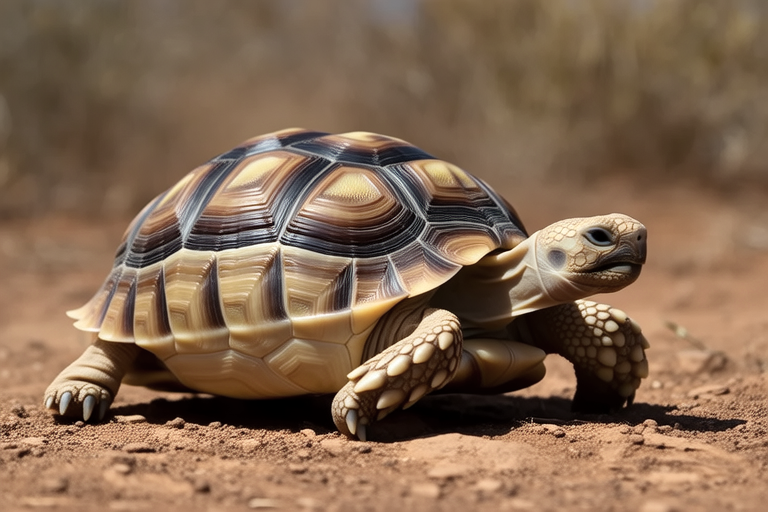
From Tiny to Terrific: Amazing Facts About Our Shell-Shocked Friends
Welcome to the wonderful world of snails and slugs! These often-overlooked creatures are full of surprises, with unique biology, impressive survival techniques, and significant roles in our ecosystems. Let’s dive into some fascinating facts about these tiny titans.
The Unique Biology of Snails and Slugs
Snails and slugs belong to the class Gastropoda, a diverse group of mollusks that includes over 80,000 species. While both are gastropods, they differ in one crucial aspect: shells. Snails have a calcium carbonate shell that they carry around, while slugs lack this protective covering. The shell of a snail is a marvel of nature, composed of multiple layers of protein and minerals. It acts as a fortress, protecting the soft body inside from predators and environmental hazards.
One of the most remarkable features of snails and slugs is their slime. This mucus-like substance serves multiple purposes. It helps them move smoothly across surfaces, reducing friction and preventing damage to their delicate bodies. Additionally, it acts as a defense mechanism, deterring predators and even helping them escape by creating a slippery surface. Slime also aids in moisture retention, which is essential for these creatures’ survival, especially in dry environments.
Diverse Diets and Survival Techniques
Snails and slugs are known for their varied diets. They are primarily herbivorous, feeding on a wide range of plants, including leaves, fruits, and vegetables. However, some species are omnivorous or even carnivorous, preying on smaller insects and other invertebrates. Their diet plays a vital role in maintaining the balance of ecosystems, as they help control plant growth and recycle nutrients.
In terms of survival, snails and slugs have developed several strategies to cope with environmental challenges. For instance, many species can enter a state of dormancy called estivation during hot, dry periods. In this state, they reduce their metabolic rate and conserve water, allowing them to survive until conditions improve. Similarly, some species hibernate during cold winters, burrowing deep into the soil to avoid freezing temperatures.
The Role of Snails and Slugs in Ecosystems
Despite their small size, snails and slugs play crucial roles in ecosystems. They act as decomposers, breaking down dead plant material and recycling nutrients back into the soil. This process enriches the soil, promoting healthy plant growth and biodiversity. Additionally, snails and slugs serve as food sources for various animals, including birds, reptiles, and mammals, contributing to the food chain.
Some species of snails and slugs are also important indicators of environmental health. Changes in their populations or behavior can signal underlying issues in the ecosystem, such as pollution or habitat destruction. By monitoring these creatures, scientists can gain valuable insights into the overall well-being of an area.
Interesting Behaviors and Myths Surrounding Snails and Slugs
Snails and slugs exhibit a variety of fascinating behaviors. One of the most intriguing is their method of reproduction. Many species are hermaphrodites, meaning they possess both male and female reproductive organs. During mating, they exchange sperm, allowing each individual to fertilize its own eggs. This unique reproductive strategy ensures genetic diversity within populations.
Another interesting behavior is their ability to navigate using scent trails. Snails and slugs leave behind a trail of slime, which they can follow to return to familiar areas or find food. This olfactory navigation system is particularly useful in complex environments, where visual cues may be limited.
Over the years, snails and slugs have been the subject of numerous myths and misconceptions. One common myth is that they are harmful to gardens, eating all the plants in sight. While it’s true that some species can cause damage to crops, many others are beneficial, contributing to soil health and pest control. Another myth is that snails and slugs are slimy and gross. However, their slime is actually a remarkable adaptation that protects them and aids in their survival.
Tips for Caring for Snails and Slugs as Pets
If you’re interested in keeping snails or slugs as pets, there are several things to consider. First, choose a suitable enclosure, providing ample space for your pets to explore and hide. A terrarium or aquarium with a lid works well, ensuring a secure environment. Make sure to provide a substrate that mimics their natural habitat, such as damp soil or moss.
Feeding your snails and slugs is another important aspect of care. Offer a balanced diet consisting of fresh vegetables, fruits, and leafy greens. Avoid feeding them acidic foods like citrus, as these can harm their sensitive digestive systems. Additionally, ensure they have access to a shallow dish of clean water for drinking and soaking.
Maintaining proper humidity levels is crucial for the well-being of your snails and slugs. Use a hygrometer to monitor the humidity in their enclosure and mist the substrate regularly to keep it moist. Avoid overwatering, as excessive moisture can lead to mold growth and respiratory issues.
Finally, handle your snails and slugs gently, using your fingers to support their soft bodies. Avoid picking them up by their shells, as this can cause injury. Regularly clean their enclosure to prevent the buildup of waste and ensure a healthy living environment.
Conclusion
Snails and slugs may seem simple at first glance, but they are complex and fascinating creatures with unique biology, impressive survival techniques, and significant roles in ecosystems. From their calcium carbonate shells to their mucus-like slime, these tiny titans have evolved remarkable adaptations that allow them to thrive in diverse environments. Whether you’re interested in learning more about these creatures or considering them as pets, there’s always something new to discover about snails and slugs.
