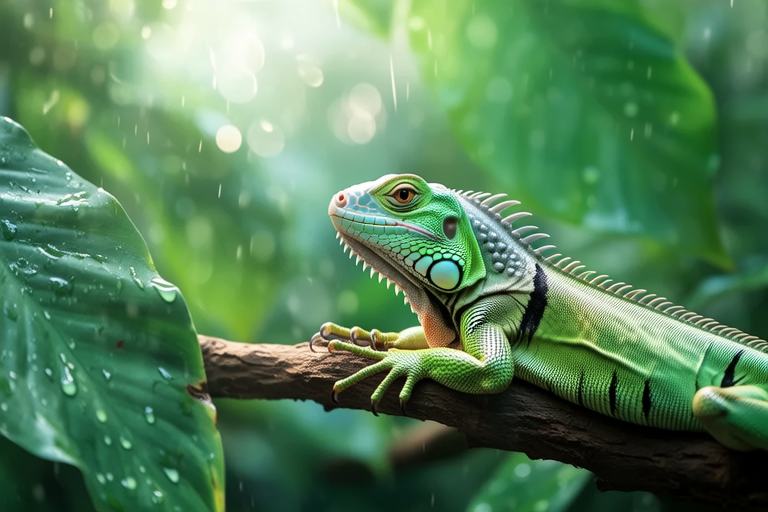
Caring for Your First Chameleon
Introduction
Welcome to the fascinating world of chameleons! These unique reptiles are captivating creatures known for their vibrant colors and prehensile tails. However, caring for a chameleon requires careful attention to their specific needs. This guide will walk you through the essential steps to ensure your chameleon thrives in its new home.
Choosing the Right Habitat
Size and Type of Enclosure
The first step in providing a suitable environment for your chameleon is selecting an appropriate enclosure. A minimum size of 24 inches wide by 48 inches tall by 24 inches deep is recommended for juveniles, with adult enclosures needing at least 36 inches wide by 48 inches tall by 24 inches deep. Larger enclosures allow for more climbing space and better air circulation.
Vivariums made from glass or acrylic are ideal because they provide visibility while maintaining the necessary humidity levels. Avoid enclosures with wire mesh sides as they can trap drafts that may cause respiratory issues.
Lighting and Heating
Your chameleon’s enclosure must include a basking spot where it can reach optimal temperatures. Install a UVB light source, which mimics natural sunlight and helps your chameleon synthesize vitamin D3, crucial for calcium absorption. Position the light so that it covers about half of the enclosure. Replace the bulb every six months even if it still appears functional.
Additionally, use a heat lamp to create a basking area between 85°F and 95°F (29°C to 35°C). The rest of the enclosure should have a gradient of temperatures ranging from 75°F to 85°F (24°C to 29°C).
Substrate and Plants
Avoid using substrates like sand or gravel that could be ingested accidentally. Instead, opt for newspaper, paper towels, or reptile carpet. Live plants such as pothos, ficus, and schefflera not only add aesthetic appeal but also offer hiding spots and climbing opportunities.
Ensure all plants used are non-toxic and safe for chameleons. Regularly mist these plants to maintain humidity levels within the range of 40% to 60%. Over time, replace any damaged or dying vegetation.
Appropriate Diet
Feeding Schedule
Chameleons are insectivores and require a varied diet of appropriately sized insects. Feed hatchlings daily, juveniles every other day, and adults three times per week. Offer a mix of crickets, dubia roaches, silkworms, hornworms, and superworms. Gut-load the insects by feeding them nutritious vegetables before offering them to your chameleon.
Dusting and Supplements
Gut-loading ensures that the insects carry vitamins and minerals that benefit your chameleon. Dust the insects with calcium powder once or twice weekly and multivitamin supplements once a week. Avoid over-supplementing, as this can lead to imbalances harmful to your pet.
Temperature and Humidity Requirements
Maintaining the correct temperature gradient is vital for your chameleon’s well-being. Use thermometers and hygrometers placed throughout the enclosure to monitor conditions accurately. Provide a humidifier or regular misting to achieve the desired humidity level.
Handling Techniques
Chameleons are generally docile but prefer minimal handling. When necessary, gently scoop your chameleon from its enclosure, supporting its body firmly but carefully. Limit handling sessions to no longer than five minutes to prevent stress.
Health Checks
Regularly inspect your chameleon for signs of illness, including lethargy, loss of appetite, abnormal shedding, or changes in coloration. Consult a veterinarian specializing in exotic pets if you notice any concerning symptoms.
Common Mistakes to Avoid
- Overhandling: Too much interaction can stress your chameleon.
- Incorrect lighting: Insufficient UVB exposure leads to metabolic bone disease.
- Inadequate humidity: Low humidity causes dehydration and respiratory problems.
- Poor diet: Feeding exclusively one type of insect deprives your chameleon of essential nutrients.
Conclusion
Owning a chameleon is a rewarding experience when approached with patience and knowledge. By following these guidelines, you’ll set yourself and your new companion up for success. Remember, each chameleon has individual preferences, so adapt these recommendations based on your pet’s behavior and health.
