Hikikomori Syndrome and Shiba Inus: A Parallel Exploration
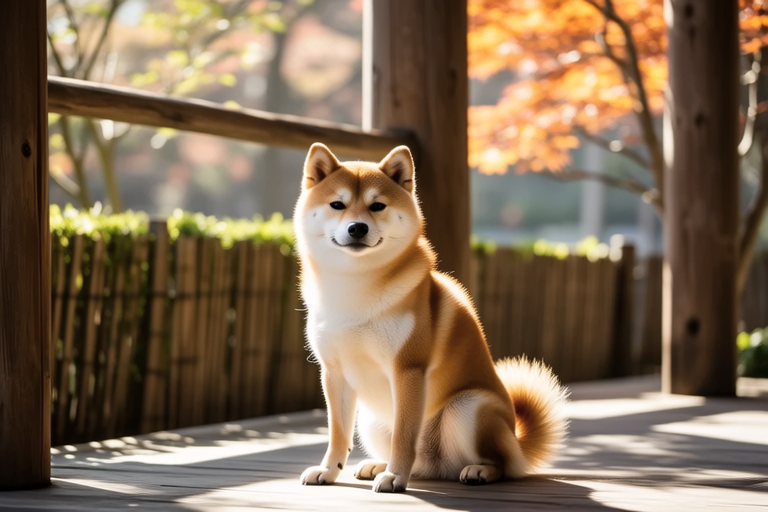
The term “hikikomori” originates from Japan and refers to individuals who withdraw from social life and prefer solitude. While it is primarily used to describe humans, this concept can be intriguingly applied to understand the independent and often solitary nature of Shiba Inus. This article delves into the traits of hikikomori and explores how they mirror the behaviors of Shiba Inus, providing valuable insights for potential owners and enthusiasts.
Understanding Hikikomori Syndrome
Hikikomori syndrome is characterized by a strong preference for solitude, a heightened sense of self-reliance, and an aversion to social interactions. These individuals often retreat from society, choosing instead to live isolated lives, engaging minimally with others. The concept has been extensively studied in human psychology, but its principles can also be observed in certain dog breeds, including Shiba Inus.
Shiba Inus and Their Independent Nature
Shiba Inus are known for their independent streak, which can be likened to the traits of hikikomori. They possess a strong sense of self-reliance, preferring to be alone rather than in constant companionship. This independence is evident in their behavior, making them somewhat challenging pets for those unfamiliar with their needs.
Preference for Solitude
One of the most prominent traits of Shiba Inus is their preference for solitude. Unlike many other dog breeds that thrive on constant attention and interaction, Shibas often seek quiet corners to rest or play by themselves. Real-life examples abound where owners have noticed their Shibas retreating to a secluded spot after playtime, indicating their need for personal space.
Strong Sense of Self-Reliance
Shibas are highly self-reliant, which can sometimes be mistaken for stubbornness. They are capable of handling situations independently, making decisions based on their instincts. For instance, if a Shiba is left alone for extended periods, they might find ways to entertain themselves, such as chasing shadows or rearranging items around the house. This self-sufficiency is a testament to their strong sense of self-reliance.
Aversion to Social Interactions
While Shibas are not inherently antisocial, they do exhibit an aversion to excessive social interactions. They can become overwhelmed or stressed in environments with too much noise or activity. Anecdotes from owners highlight instances where Shibas have shown discomfort during crowded gatherings, preferring to stay close to their owners or seek refuge in quieter areas.
Training Challenges
The independent nature of Shiba Inus presents unique training challenges. Their preference for solitude and strong sense of self-reliance mean that traditional training methods may not always be effective. Understanding these traits is crucial for successful training.
Consistency and Patience
Training Shibas requires consistent effort and patience. Owners must establish routines and rules that the Shiba can understand and follow. For example, teaching basic commands like “sit” or “stay” can take longer with Shibas due to their independent streak. However, with persistence, Shibas can learn these commands effectively.
Positive Reinforcement
Positive reinforcement is particularly effective when training Shibas. Instead of using punishment, rewarding good behavior with treats or praise encourages Shibas to repeat desired actions. This method aligns well with their self-reliant nature, as they respond positively to clear, positive feedback.
Socialization
Socializing Shibas is essential to ensure they are comfortable in various settings. However, given their aversion to social interactions, this process must be gradual and gentle. Introducing Shibas to new people, animals, and environments should be done in controlled, non-stressful situations. For instance, taking Shibas to a quiet park or arranging playdates with calm, familiar dogs can help them acclimate without overwhelming them.
Bonding and Communication
Bonding with a Shiba Inu requires understanding their independent nature and finding effective ways to communicate. Building trust and forming a strong bond takes time and effort but is rewarding for both the owner and the Shiba.
Respect Their Space
Respecting a Shiba’s need for personal space is crucial for building trust. Owners should allow their Shibas to retreat to quiet areas when they seem overwhelmed or tired. By doing so, owners demonstrate respect for their Shiba’s boundaries, fostering a trusting relationship.
Effective Communication
Communicating effectively with Shibas involves using clear, concise commands and body language. Shibas are intelligent and perceptive, responding well to consistent signals. For example, using a specific hand gesture or tone of voice consistently for a command can help Shibas understand and follow instructions more easily.
Quality Time
Spending quality time with Shibas is important for strengthening the bond between owner and pet. Engaging in activities that the Shiba enjoys, such as interactive play or walks in nature, can enhance the relationship. However, it’s essential to balance these activities with the Shiba’s need for solitude, ensuring they have time to recharge.
Conclusion
The application of hikikomori syndrome to understanding the independent and often solitary nature of Shiba Inus offers valuable insights for potential owners and enthusiasts. By recognizing and respecting their preference for solitude, strong sense of self-reliance, and aversion to social interactions, owners can better meet the needs of their Shibas. Training challenges can be overcome with consistency, patience, and positive reinforcement, while effective bonding and communication strategies can foster strong relationships. Embracing the unique qualities of Shiba Inus allows owners to provide the best care and companionship for these remarkable dogs.
