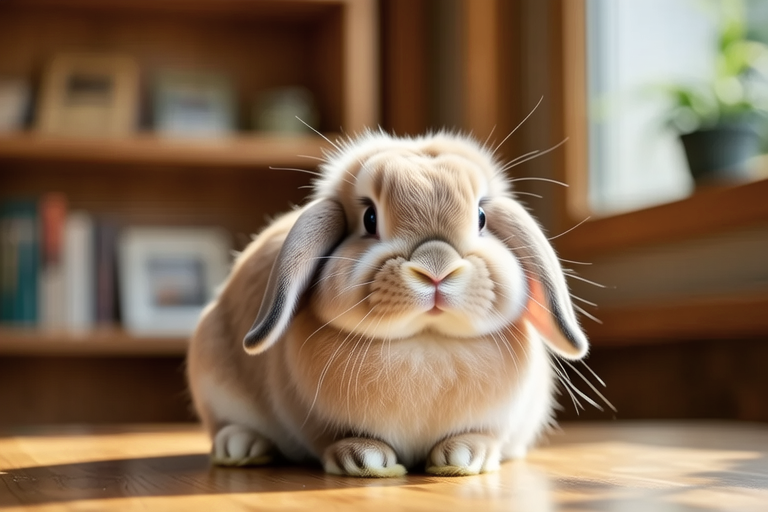
From Barnyards to Bedrooms: How the Dutch Dwarf Rabbit Became a Popular Companion
The Dutch Dwarf rabbit is a charming and compact breed that has captured the hearts of many pet lovers worldwide. Originating from the barnyards of the Netherlands, these small but sturdy creatures have evolved from working farm animals to beloved family companions. This article delves into the fascinating history, unique characteristics, and care requirements of the Dutch Dwarf rabbit, offering insights into why they’ve become so popular among rabbit enthusiasts.
A Brief History: From Dutch Barnyards to Global Pet Stores
The story of the Dutch Dwarf rabbit begins in the Netherlands during the early 20th century. Initially bred for meat production and companionship, these rabbits were valued for their hardiness and docile nature. Their journey from barnyards to bedrooms can be traced back to the selective breeding practices that aimed at enhancing specific traits. The Dutch Dwarf rabbit was developed through crossbreeding smaller breeds, leading to a diminutive yet robust animal. Over time, their appealing appearance and gentle demeanor made them increasingly popular among Dutch families.
As the Dutch Dwarf rabbit gained recognition for its unique qualities, it began to attract attention beyond its homeland. By the mid-20th century, the breed had spread to other parts of Europe and eventually to North America. The rabbit fancy, which includes organizations dedicated to the promotion and preservation of various rabbit breeds, played a crucial role in formalizing the breed standards and facilitating its global adoption. Today, the Dutch Dwarf rabbit is one of the most sought-after companion animals, cherished for its distinctive features and delightful personality.
Unique Characteristics: Size, Temperament, and Appearance
One of the most striking features of the Dutch Dwarf rabbit is its petite size. Typically weighing between 2 to 3 pounds, these rabbits are significantly smaller than most domesticated breeds. Their diminutive stature makes them an ideal choice for apartment living or homes with limited space. Despite their small size, Dutch Dwarfs are surprisingly strong and agile, capable of navigating various environments with ease.
The temperament of Dutch Dwarf rabbits is another aspect that contributes to their popularity as pets. Known for their calm and gentle disposition, these rabbits are often described as affectionate and easy to handle. They tend to form strong bonds with their human caregivers, enjoying cuddles and interaction. Their curious and playful nature also makes them engaging companions, always ready to explore new toys or playtime activities. However, like all animals, each Dutch Dwarf rabbit may have its own unique personality, so patience and understanding are key to building a rewarding relationship.
In terms of appearance, Dutch Dwarf rabbits boast a variety of coat colors and patterns, adding to their visual appeal. Common color combinations include black, white, blue, chocolate, and lilac, often paired with contrasting markings on the face, ears, and feet. Their short, dense fur requires minimal grooming, making them relatively low-maintenance compared to other breeds. The combination of their petite frame, endearing facial features, and attractive coat patterns creates a visually captivating pet that is sure to charm any observer.
The Transition: From Farm Animals to Household Pets
The transformation of the Dutch Dwarf rabbit from a farm animal to a household pet can be attributed to several factors, including changes in lifestyle, societal trends, and advancements in veterinary care. As urbanization increased and more people moved to cities, there was a growing desire for smaller, manageable pets that could thrive in apartment settings. The Dutch Dwarf rabbit’s compact size and adaptable nature made it an ideal candidate for this shift.
Additionally, the rise of rabbit shows and competitions further fueled the breed’s popularity. These events provided a platform for enthusiasts to showcase their rabbits and exchange knowledge about proper care and breeding techniques. As more people became aware of the Dutch Dwarf rabbit’s unique qualities, demand for the breed grew, leading to its widespread adoption as a companion animal.
Veterinary advancements also played a significant role in this transition. Improved healthcare and nutrition have extended the lifespan of domesticated rabbits, allowing them to live longer, healthier lives as cherished pets. The development of specialized diets and medical treatments specifically tailored to rabbits has made it easier for owners to provide optimal care for their furry friends. Consequently, the Dutch Dwarf rabbit has become a preferred choice for those seeking a loving and long-lived companion.
Care Requirements: What Potential Owners Should Know
Before bringing a Dutch Dwarf rabbit into your home, it’s essential to understand the care requirements necessary to ensure their well-being. Proper housing is a critical component of rabbit care. While these rabbits can adapt to various living spaces, providing a spacious, clean, and secure environment is vital. A cage or enclosure should be large enough to allow ample movement and equipped with soft bedding, nesting material, and hiding spots to promote comfort and security.
Diet plays a crucial role in maintaining the health of Dutch Dwarf rabbits. A balanced diet consisting of high-quality hay, fresh vegetables, and a limited amount of pellets is recommended. It’s important to avoid overfeeding and to provide plenty of fresh water at all times. Regular exercise is equally important to prevent obesity and maintain muscle tone. Providing opportunities for daily play and exploration will help keep your rabbit physically active and mentally stimulated.
Grooming is another aspect of rabbit care that requires attention. Although Dutch Dwarf rabbits have short, dense fur that requires minimal maintenance, regular brushing can help remove loose hairs and prevent matting. Bathing should be avoided unless absolutely necessary, as rabbits are naturally clean animals that prefer to groom themselves. Instead, focus on keeping their living area clean and hygienic to minimize the need for baths.
Lastly, social interaction is essential for the emotional well-being of Dutch Dwarf rabbits. These animals are highly social and thrive on companionship. Spending quality time with your rabbit through play, grooming, and interaction can strengthen your bond and enhance their overall happiness. Additionally, consider adopting a second rabbit to provide companionship, especially if you work long hours or spend much time away from home.
Current Popularity and Future Prospects
Today, the Dutch Dwarf rabbit enjoys a prominent position among pet owners, recognized for its endearing qualities and suitability as a companion animal. Their small size, gentle temperament, and attractive appearance continue to draw admirers, making them a favorite choice for households of all sizes. The breed’s growing popularity is evident in the increasing number of rabbit shows, online communities, and resources dedicated to their care and well-being.
Looking ahead, the future prospects for the Dutch Dwarf rabbit remain bright. With continued advancements in veterinary care, nutrition, and housing solutions, these rabbits are likely to enjoy even better health and longevity. As awareness about responsible pet ownership grows, more individuals will seek out breeds like the Dutch Dwarf rabbit that offer a rewarding and fulfilling companionship experience.
In conclusion, the Dutch Dwarf rabbit has come a long way from its humble beginnings in Dutch barnyards to becoming a cherished companion in homes around the world. Their unique characteristics, combined with proper care and attention, make them an excellent choice for those seeking a loving and low-maintenance pet. Whether you’re a seasoned rabbit owner or considering adopting your first bunny, the Dutch Dwarf rabbit offers a delightful and enriching experience that is sure to bring joy and companionship to your life.
