Chasing Dreams: How to Raise a Happy and Healthy Siberian Husky
Understanding the Breed’s Origins and Characteristics
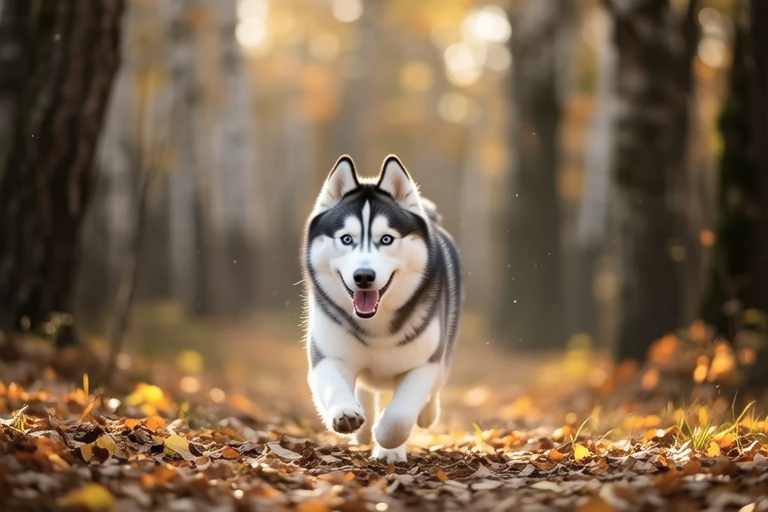
Siberian Huskies have a rich history, originating from the Chukchi people of Northeastern Asia. They were bred as sled dogs, renowned for their endurance and ability to work under harsh conditions. These dogs are medium-sized, with a thick, double coat that comes in various colors and patterns. Their striking blue or multi-colored eyes and wolf-like appearance add to their allure.
Characteristically, Siberian Huskies are independent, friendly, and full of energy. They are pack-oriented and thrive in environments where they can interact with other dogs. Their intelligence and strong-willed nature mean they require consistent training and socialization. Understanding these traits is crucial for providing them with the right environment and care.
Essential Dietary Needs
Feeding a Siberian Husky requires careful consideration of their high-energy levels and robust metabolism. A balanced diet should include high-quality protein sources like chicken, fish, and beef, along with complex carbohydrates such as sweet potatoes and brown rice. Omega-3 fatty acids are vital for maintaining their coat health.
Avoid overfeeding, as obesity can lead to health issues. Monitor their weight and adjust portion sizes accordingly. Fresh water should always be available. Consult your veterinarian for personalized dietary advice, especially if your husky has specific health concerns.
Recommended Exercise Routines
Siberian Huskies need substantial daily exercise to maintain their physical and mental health. Regular walks, runs, and play sessions are essential. Consider incorporating activities that mimic their natural behaviors, such as hiking, swimming, or even organized dog sports.
Ensure that the exercise routine is balanced, providing both physical exertion and mental stimulation. This balance helps prevent behavioral issues and keeps them happy and healthy. Always supervise them during outdoor activities to protect them from environmental hazards.
Effective Training Methods
Training Siberian Huskies demands patience and consistency. Positive reinforcement techniques, such as treats and praise, are highly effective. Establish clear rules and boundaries early on to guide their behavior.
Due to their independent nature, training should be engaging and varied. Incorporate games and puzzles to keep them mentally stimulated. Socialization is equally important; expose them to different people, animals, and environments to foster confidence and good manners.
Grooming Tips
The thick coat of Siberian Huskies requires regular grooming. Brush them at least twice a week, increasing frequency during shedding seasons. Use a slicker brush to remove loose hair and prevent matting.
Bathing should be done sparingly, only when necessary, to avoid stripping their coat of its natural oils. Check their ears regularly for signs of infection, and clean them gently if needed. Trim their nails every few weeks to prevent overgrowth.
Common Health Issues
While generally healthy, Siberian Huskies can be prone to certain genetic disorders. Common issues include hip dysplasia, eye problems, and hypothyroidism. Regular veterinary check-ups are essential to monitor their health and address any potential issues promptly.
Maintaining a healthy lifestyle, including proper nutrition and exercise, can help reduce the risk of these conditions. Genetic testing before breeding can also help minimize the incidence of hereditary diseases.
Advice on Socializing These Dogs
Socialization is key to raising a well-adjusted Siberian Husky. Expose them to various environments, people, and other animals from an early age. Puppy classes provide excellent opportunities for controlled social interaction.
Encourage positive interactions and discourage aggressive behavior. Supervise all encounters to ensure safety. A well-socialized dog is more likely to be calm and friendly, making them a joy to live with.
Balance Between Physical Activity and Mental Stimulation
Maintaining a balance between physical activity and mental stimulation is crucial for the overall well-being of a Siberian Husky. Engage them in activities that challenge their mind and body, such as puzzle toys, obedience training, and interactive play.
Regular exercise helps burn off excess energy, preventing destructive behavior. Mental stimulation keeps them engaged and prevents boredom, which can lead to behavioral issues. Providing this balance ensures they remain happy and content.
Conclusion
Raising a happy and healthy Siberian Husky involves understanding their unique needs and providing the right environment for them to thrive. By focusing on their dietary requirements, exercise, training, grooming, and socialization, you can ensure they lead fulfilling lives. Remember, the key is balance—between physical activity and mental stimulation, discipline and affection. With dedication and love, you can help your Siberian Husky chase their dreams and live a joyful life.
