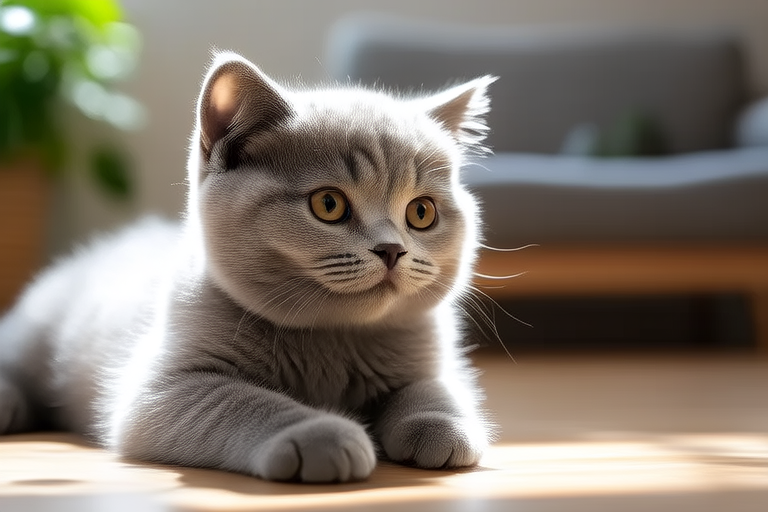
From Rare Finds to Purrs of Joy: Raising a British Shorthair Silver at Home
The British Shorthair Silver is a rare and enchanting breed of cat, known for its striking silver coat and robust build. This breed has captured the hearts of many cat lovers due to its unique appearance and gentle nature. With origins dating back centuries, the British Shorthair Silver is a blend of ancient heritage and modern charm. Let us delve into the world of these majestic felines, exploring their history, characteristics, care requirements, and the joy they bring into our lives.
A Brief History and Physical Traits
The British Shorthair Silver, a variation of the classic British Shorthair, has been around since the late 19th century. It was first recognized in the United Kingdom, where it was bred from domestic cats with a distinct silver hue. These cats were originally kept as mousers but soon gained popularity as pets for their calm demeanor and friendly nature.
Physically, the British Shorthair Silver is a medium to large-sized cat with a stocky, muscular body. They have a broad chest, strong legs, and a round head adorned with large, expressive eyes that often appear golden or copper. Their most notable feature is their plush, short fur that shines with a silvery sheen, making them stand out in any setting. The coat is dense and soft, providing excellent insulation against the cold.
Temperament and Personality
Beyond their striking looks, British Shorthair Silvers are renowned for their amiable personalities. They are typically docile and affectionate, making them perfect companions for families and individuals alike. These cats are known for their patience and tolerance, especially with children and other pets. They enjoy being part of the family, often following their owners around the house and seeking attention when needed.
Despite their laid-back nature, British Shorthair Silvers can be playful and curious, especially during their younger years. They are intelligent and can learn tricks, such as fetching toys or responding to their names. Their adaptability makes them comfortable in various environments, whether in bustling city apartments or spacious suburban homes.
Grooming and Dietary Needs
Caring for a British Shorthair Silver requires attention to both grooming and nutrition. Their dense, short fur is relatively low maintenance, but regular brushing helps prevent matting and keeps the coat shiny. A weekly brushing session will suffice, though you may need to increase the frequency during shedding seasons.
Dietary needs are crucial for maintaining the health and vitality of your cat. British Shorthair Silvers thrive on high-quality, protein-rich diets. Consult with your veterinarian to determine the best food options based on your cat’s age, weight, and activity level. Avoid feeding them table scraps or human foods that could be harmful, such as chocolate, onions, or garlic.
Creating a Safe and Enriching Environment
To ensure your British Shorthair Silver thrives, it’s essential to create a safe and stimulating environment at home. Provide them with plenty of space to explore and play. Cat trees, scratching posts, and interactive toys are excellent additions that keep them entertained and mentally engaged.
Secure windows and balconies to prevent accidental falls, and use childproof locks to secure cabinets containing household chemicals or medications. Keep electrical cords out of reach, as cats might see them as toys. Establishing a routine for feeding, playtime, and grooming helps your cat feel secure and loved.
Health Concerns and Management
Like all breeds, British Shorthair Silvers are prone to certain health issues. Regular veterinary check-ups are vital to monitor their overall health and address any potential problems early. Common health concerns include obesity, dental disease, and heart conditions. Obesity can be managed through a balanced diet and regular exercise, while dental hygiene can be maintained with proper brushing and dental treats.
Heart conditions, particularly hypertrophic cardiomyopathy, are more prevalent in this breed. Early detection through regular veterinary visits can improve outcomes. Additionally, some British Shorthair Silvers may develop polycystic kidney disease, a genetic disorder affecting kidney function. Genetic testing can help identify carriers, allowing for informed breeding decisions.
Personal Anecdotes and Experiences
My experience with my British Shorthair Silver, Luna, has been nothing short of magical. From the moment I brought her home as a kitten, her presence filled the house with warmth and joy. Her gentle purring and loving nature made her an instant favorite among friends and family.
Luna loves lounging on the windowsill, watching birds and squirrels outside. She enjoys playing fetch with a soft toy and cuddling up next to me on the couch. Her companionship has been a source of comfort and happiness, reminding me daily of the love and loyalty that cats can offer.
Raising a British Shorthair Silver is not just about providing a home; it’s about building a bond that lasts a lifetime. These cats become cherished members of the family, offering companionship and unconditional love. Whether you’re a seasoned cat owner or considering adopting one for the first time, a British Shorthair Silver will undoubtedly bring purrs of joy into your life.
