The Ultimate Guide to Living with a High-Energy Bengal Cat Companion
Welcome to the world of high-energy Bengal cats! Known for their striking appearance and playful nature, these felines are a joy to have around. However, they come with unique needs that require special attention. This comprehensive guide will help you understand and cater to your Bengal cat’s requirements, ensuring a happy and healthy relationship.
Understanding Bengal Cat Behavior
Bengal cats are descendants of domestic cats and Asian leopard cats, which explains their wild appearance and energetic demeanor. They are curious, intelligent, and highly active. These traits make them excellent companions but also mean they need plenty of mental and physical stimulation. Bengals are social animals and enjoy interacting with their owners, making them great pets for families and individuals alike.
Exercise and Play Needs
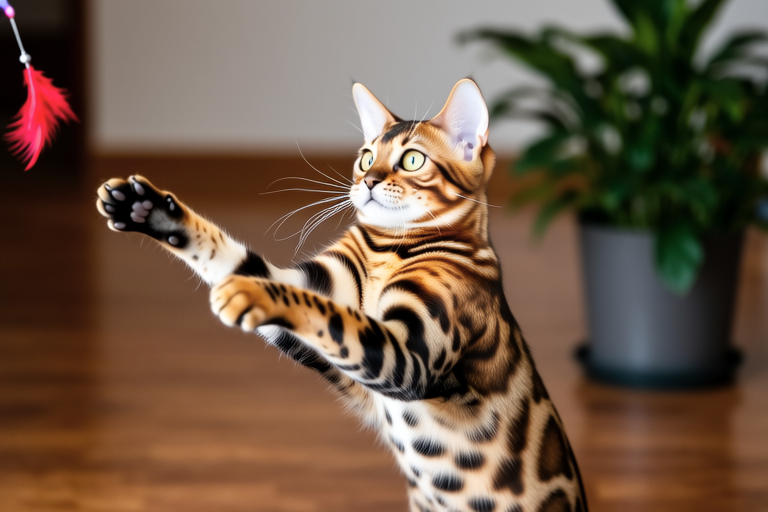
Bengals require regular exercise to maintain their energy levels and prevent behavioral problems. Interactive toys, such as laser pointers, feather wands, and puzzle feeders, are perfect for engaging their minds and bodies. Providing climbing trees and scratching posts allows them to express their natural instincts. Daily play sessions can help burn off excess energy and strengthen the bond between you and your cat.
Dietary Requirements
A balanced diet is crucial for a Bengal cat’s health. High-quality commercial cat food, either wet or dry, formulated for active breeds, is recommended. Ensure that the food contains adequate protein and fats from animal sources. Consult your veterinarian about supplementing your cat’s diet with vitamins and minerals if necessary. Always provide fresh water and consider a water fountain to encourage drinking.
Grooming Tips
Bengal cats have short, dense coats that require minimal grooming. However, regular brushing helps remove loose hair and prevents matting. Bathing is usually unnecessary unless your cat gets into something messy. Trim their nails every few weeks to avoid scratches and injuries. Cleaning their ears and brushing their teeth are also important for overall hygiene.
Training Techniques
Positive reinforcement is key when training Bengal cats. Use treats, praise, and play to reward desired behaviors. Bengals respond well to clicker training and can learn commands like “sit,” “come,” and “stay.” Avoid punishment, as it can lead to fear and aggression. Training sessions should be brief and fun to keep your cat engaged.
Creating a Safe Home Environment
Bengals are adventurous and may explore dangerous areas. Secure windows and balconies to prevent falls. Keep toxic substances, electrical cords, and small objects out of reach. Install childproof locks on cabinets and drawers containing hazardous materials. Provide vertical spaces, such as shelves and cat trees, to satisfy their climbing urges safely.
Addressing Common Health Issues
Bengals are generally healthy, but they are prone to certain conditions. Hypertrophic cardiomyopathy, a heart disease, can affect some Bengals. Regular veterinary check-ups, including heart screenings, are essential. Dental issues are common, so maintain good oral hygiene. Obesity can occur if they don’t get enough exercise, so monitor their weight and adjust their diet accordingly.
Fostering Strong Bonds Through Positive Interactions
Spend quality time with your Bengal cat daily. Engage in activities that both of you enjoy, whether it’s playing fetch or lounging together. Bengals thrive on attention and affection, so pet them, talk to them, and show them love. Respect their boundaries and allow them space when needed. Building trust and respect will deepen your bond and ensure a harmonious relationship.
New Owner Tips
If you’re new to owning a Bengal cat, take time to learn about their specific needs. Research breed-specific care and consult with experienced owners or veterinarians. Join online forums and local groups to connect with other Bengal enthusiasts. Be patient as you establish routines and boundaries. Remember that every cat is unique, so adapt your approach based on your individual pet’s personality and preferences.
Experienced Owner Insights
For those who already live with a Bengal cat, consider sharing your knowledge with others. Mentor new owners by offering advice and support. Continue learning about advancements in cat care and incorporate new techniques into your routine. Reflect on what works best for your cat and refine your methods accordingly. Stay connected with the Bengal community to stay informed and inspired.
In conclusion, living with a high-energy Bengal cat companion is a rewarding experience. By understanding their behavior, meeting their exercise and play needs, providing a balanced diet, maintaining proper grooming, employing effective training techniques, creating a safe home environment, addressing common health issues, and fostering strong bonds through positive interactions, you can ensure a fulfilling life for both you and your Bengal cat. Enjoy the journey of companionship and cherish the moments shared with your beloved feline friend.
