Heterometrus Spinifer: Unveiling the Secrets of This Unique Arachnid
Introduction
The world of arachnids is vast and diverse, filled with fascinating creatures that play crucial roles in their ecosystems. Among these, Heterometrus spinifer, commonly known as the Indian forest scorpion, stands out due to its unique characteristics and behaviors. This article delves into the life, habitat, behavior, and misconceptions surrounding Heterometrus spinifer, providing both scientific insights and accessible explanations for readers unfamiliar with this species.
Physical Attributes
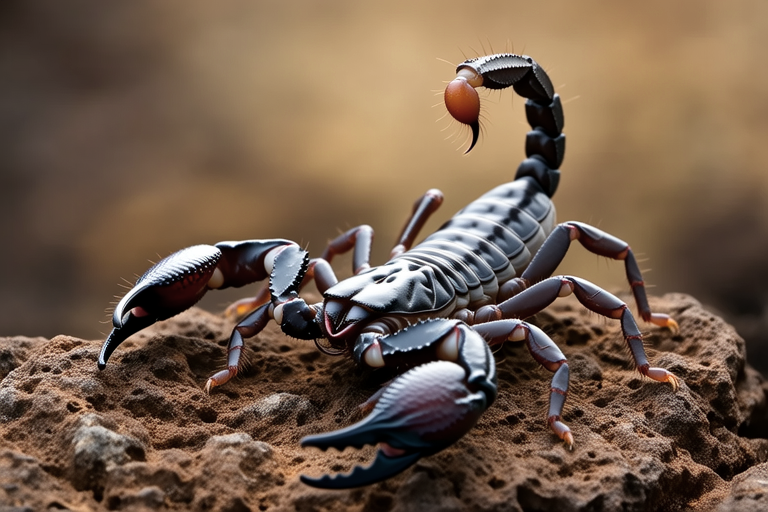
Heterometrus spinifer is a medium-sized scorpion, typically measuring between 8 to 12 centimeters in length. Its most distinctive feature is the presence of long spines on its tail, which gives it its name. These spines are not merely decorative; they serve multiple purposes, including defense and prey capture. The body of the scorpion is segmented into two main parts: the cephalothorax and the abdomen. The cephalothorax houses the sensory organs and mouthparts, while the abdomen contains the digestive system, reproductive organs, and the venomous stinger located at the end of the tail.
Another notable feature of Heterometrus spinifer is its large pincers, or pedipalps, which are used for grasping and manipulating prey. These pincers are strong enough to crush small insects but are also delicate enough to handle smaller prey with precision. The scorpion’s exoskeleton is thick and provides excellent protection against predators, although it requires periodic molting to accommodate growth.
Habitat and Distribution
Heterometrus spinifer is native to the tropical regions of South and Southeast Asia, particularly India, Sri Lanka, and parts of Malaysia. It prefers humid environments such as dense forests, caves, and rocky areas where it can find shelter from the elements and potential threats. The scorpion is highly adaptable and can thrive in various habitats, from lowland rainforests to high-altitude mountain ranges. However, it generally avoids open areas and seeks refuge in crevices, under rocks, or within tree hollows.
The specific microclimate preferences of Heterometrus spinifer include temperatures ranging from 20 to 30 degrees Celsius and relative humidity levels above 70%. These conditions are essential for maintaining the integrity of its exoskeleton and ensuring optimal physiological function. Additionally, the availability of suitable hiding spots and abundant prey populations are critical factors influencing the distribution and abundance of this species.
Diet and Feeding Behavior
Heterometrus spinifer is an opportunistic predator, feeding primarily on insects and other small invertebrates. Its diet includes crickets, grasshoppers, beetles, spiders, and even other scorpions. The scorpion’s hunting strategy involves ambushing prey by remaining motionless until an unsuspecting insect ventures too close. Once detected, the scorpion uses its powerful pincers to grasp and immobilize the prey before delivering a venomous sting if necessary.
The venom of Heterometrus spinifer contains neurotoxins that paralyze or kill the prey, making it easier for the scorpion to consume. Interestingly, the amount of venom injected during a sting varies depending on the size and perceived threat level of the target. For example, smaller prey may only receive a sublethal dose of venom, allowing the scorpion to conserve valuable resources for future encounters. This adaptation highlights the efficiency with which Heterometrus spinifer operates within its ecosystem.
Reproduction Methods
The reproductive process of Heterometrus spinifer begins with courtship rituals that involve intricate movements and tactile interactions between males and females. After mating, the female carries the fertilized eggs internally for several months before giving birth to live young. A typical litter consists of around 20 to 40 offspring, which remain attached to their mother’s back for approximately two weeks after birth. During this period, the young scorpions are vulnerable and rely on their mother for protection and nourishment.
Once independent, juvenile Heterometrus spinifer undergo several molts over the course of their development, gradually increasing in size and complexity. Sexual maturity is reached after approximately one to two years, at which point individuals begin seeking mates to perpetuate the cycle. The lifespan of Heterometrus spinifer is relatively long for an arachnid, with some individuals living up to five years in ideal conditions.
Behavior and Social Structure
Despite popular belief, scorpions are solitary creatures that only come together for mating purposes. They exhibit territorial behavior, marking their territories through chemical signals left behind on surfaces. If another scorpion invades a territory, aggressive encounters may ensue, involving displays of strength and potentially leading to combat. However, such conflicts are rare and usually avoided through scent recognition.
Communication among Heterometrus spinifer primarily occurs through pheromones and vibrations produced by stridulation (rubbing body parts together). These signals convey information about sex, readiness to mate, and warnings of danger. In addition to chemical cues, visual and auditory signals play minor roles in intraspecific communication, particularly during courtship.
Misconceptions and Ecological Importance
One common myth about scorpions is that all species are deadly poisonous. While it is true that some scorpions possess potent venoms capable of causing severe reactions in humans, many species, like Heterometrus spinifer, have venom that poses little risk to healthy adults. Another misconception is that scorpions always use their stingers when threatened. In reality, they often rely more heavily on their powerful pincers for defense.
Scorpions play vital roles in their ecosystems as both predators and prey. By controlling insect populations, they help maintain balance within food webs and prevent outbreaks of pest species. Furthermore, scorpions serve as important indicators of environmental health due to their sensitivity to changes in temperature, humidity, and prey availability. Understanding these relationships underscores the importance of conserving scorpion populations for broader ecological stability.
Conservation Efforts and Coexistence
Efforts to protect Heterometrus spinifer and other scorpion species focus on preserving natural habitats and raising awareness about the benefits of these creatures. Conservation initiatives often involve reforestation projects, establishment of protected areas, and community education programs aimed at reducing human-wildlife conflicts. Encouraging sustainable land use practices and promoting responsible tourism also contribute significantly to safeguarding scorpion habitats.
Fostering coexistence with wildlife requires recognizing the value of all organisms within ecosystems, including those we might initially perceive as dangerous or undesirable. By learning more about Heterometrus spinifer and similar species, we can develop strategies for minimizing adverse interactions while supporting biodiversity conservation. Ultimately, appreciating the intricate web of life helps us become better stewards of our planet’s precious resources.
