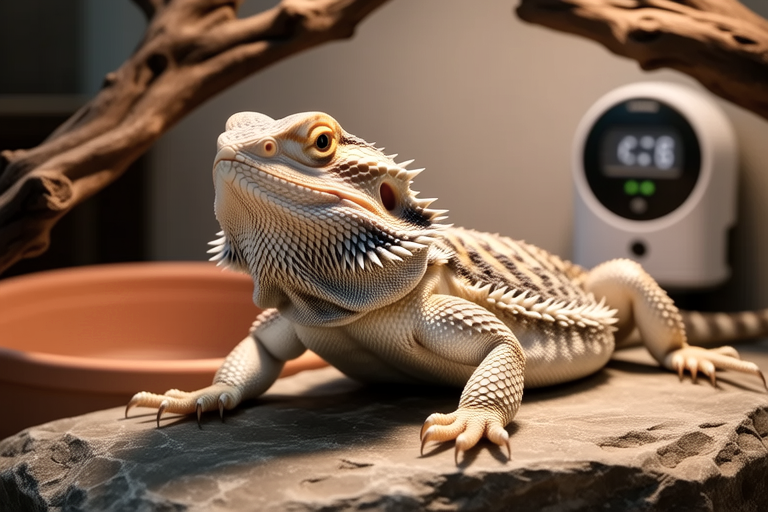
5 Essential Tips for Raising a Happy and Healthy Bearded Dragon at Home
Bearded dragons have become increasingly popular among reptile enthusiasts over the past few decades. Their docile nature, vibrant colors, and relatively manageable care requirements make them ideal pets for both beginners and seasoned reptile owners. However, like all pets, bearded dragons have specific needs that must be met to ensure they live long, healthy lives. This guide provides five essential tips for raising a happy and healthy bearded dragon at home, incorporating scientific insights to help you understand and meet your pet’s unique requirements.
Tip One: Optimal Habitat Setup
The first step in ensuring your bearded dragon’s well-being is creating an appropriate habitat. A well-designed enclosure mimics the natural environment of these lizards, which originate from the arid regions of Australia. The enclosure should be spacious enough to allow movement and exploration. For a single adult bearded dragon, a minimum tank size of 40 gallons (approximately 150 liters) is recommended; however, larger enclosures are always better. Juveniles can start in smaller tanks but will require upgrades as they grow.
Temperature gradients within the tank are crucial for regulating body temperature, known as thermoregulation. Bearded dragons need access to different heat zones to digest food efficiently and maintain overall health. Install a basking spot with a temperature range between 95°F and 110°F (35°C to 43°C). The cooler side of the tank should remain around 75°F to 85°F (24°C to 29°C). Proper temperature management can prevent respiratory infections and other health issues.
UV lighting is another critical component of the habitat setup. Bearded dragons require exposure to UVB light to synthesize vitamin D3, which aids calcium absorption and prevents metabolic bone disease (MBD). Use a high-quality UVB lamp designed for reptiles, and replace it every six months or according to the manufacturer’s recommendations. Position the light so that it reaches the basking area directly, allowing your dragon to bask under it for several hours each day.
Tip Two: Dietary Requirements
A balanced diet is vital for maintaining a bearded dragon’s health. In the wild, bearded dragons are omnivores, feeding primarily on insects and vegetation. At home, you should replicate this diet to ensure proper nutrition. Feed juvenile bearded dragons more insects than vegetables, as they require higher protein levels for growth. As they mature, gradually increase the proportion of vegetables in their diet.
Insects such as crickets, dubia roaches, and mealworms should be gut-loaded and dusted with a calcium supplement before feeding. Gut-loading involves feeding insects a nutritious diet rich in vitamins and minerals, enhancing the nutritional value they provide when consumed by your dragon. Vegetables like leafy greens (kale, collard greens), carrots, and squash should be offered regularly. Avoid feeding iceberg lettuce, spinach, or rhubarb, as they can cause digestive problems or nutritional imbalances.
Vitamin and mineral supplements are necessary to prevent deficiencies. Calcium powder should be used daily for juveniles and weekly for adults. Multivitamins can be given once or twice a week. Over-supplementation can lead to health issues, so follow the recommended dosages carefully.
Tip Three: Handling and Socialization
Handling and socialization play a significant role in your bearded dragon’s mental health. Regular, gentle interaction helps build trust and reduces stress. Bearded dragons are generally calm and easy to handle, making them ideal pets for children and adults alike. However, always approach them slowly and avoid sudden movements that could startle them.
Socialization also involves providing enrichment activities to stimulate their minds. Offer various objects for climbing and hiding, such as branches, rocks, and caves. These items not only provide entertainment but also mimic the natural environment, promoting physical activity and mental engagement. Encourage exploration by rearranging the enclosure occasionally, introducing new toys, or offering different types of hides.
Proper handling techniques are essential to avoid injury. Support your dragon’s body fully, especially around the abdomen, to prevent stress or damage. Never grab them by the tail, as it can break off if they feel threatened. Instead, gently scoop them up from beneath, supporting their belly with one hand while holding their torso with the other.
Tip Four: Common Health Issues and Preventive Measures
Like any living creature, bearded dragons are susceptible to certain health issues. Understanding these potential problems and taking preventive measures can significantly improve their quality of life. One common issue is metabolic bone disease (MBD), caused by insufficient calcium intake or improper calcium-phosphorus ratios. Symptoms include softening of bones, difficulty moving, and swollen limbs. Ensuring adequate UVB exposure and correct supplementation can prevent MBD.
Respiratory infections are another frequent concern, often resulting from improper humidity levels or temperature gradients. Signs of respiratory distress include labored breathing, mucus discharge, and lethargy. Maintaining the correct environmental conditions and avoiding overcrowding can reduce the risk of respiratory infections.
Impaction, where undigested material blocks the digestive tract, is another serious condition. It typically occurs due to inappropriate substrate or infrequent shedding. Use paper towels or reptile carpet instead of small particle substrates like sand or mulch. Encourage regular shedding by maintaining proper humidity levels and providing warm baths when needed.
To prevent these and other health issues, conduct routine visual checks for signs of illness or injury. Keep the enclosure clean, and monitor food and water consumption. Early detection and intervention are key to successful treatment.
Tip Five: Regular Check-ups and Hygiene Practices
Scheduling regular veterinary check-ups is crucial for monitoring your bearded dragon’s health. Reptile-specific veterinarians are best equipped to diagnose and treat common ailments. During these visits, your vet may perform blood tests, fecal exams, and weight checks. They can also provide guidance on diet, habitat maintenance, and behavior.
Maintaining good hygiene practices helps prevent the spread of diseases. Clean the enclosure thoroughly at least once a week, removing waste and replacing substrate. Disinfect surfaces using reptile-safe cleaning products, ensuring complete drying before reintroducing your dragon. Wash your hands before and after handling your pet to avoid transferring bacteria or parasites.
Water dishes should be cleaned daily, and fresh water should be provided regularly. Some owners choose to mist their dragons’ enclosure to maintain humidity levels, particularly during shedding periods. However, excessive moisture can promote mold growth and bacterial infections, so balance is key.
Conclusion
Raising a happy and healthy bearded dragon requires attention to detail and a commitment to providing optimal care. By setting up an appropriate habitat, offering a balanced diet, engaging in regular handling and socialization, being aware of common health issues, and maintaining hygiene practices, you can ensure your pet thrives. Remember, responsible pet ownership involves ongoing education and adaptation to your dragon’s changing needs throughout its lifespan.
Whether you’re a novice reptile owner or an experienced herpetologist, these tips will help you create a nurturing environment for your bearded dragon. With dedication and care, you’ll enjoy many years of companionship with this fascinating and rewarding pet.
