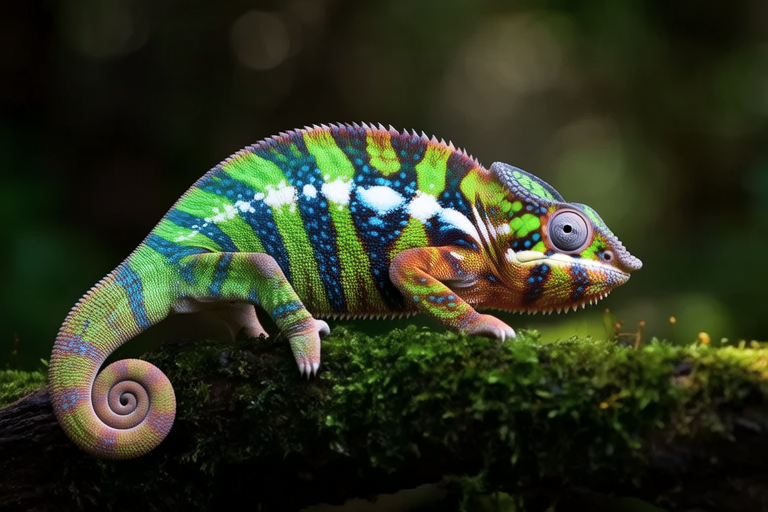
How Your Chameleon’s Color Changes Can Speak Volumes
Introduction
Chameleons are fascinating creatures known for their ability to change color, a trait often misunderstood and romanticized. Their color-changing abilities are not just about blending into their environment; they serve multiple purposes, from regulating body temperature to communicating complex emotions and intentions. Understanding these mechanisms can help you become a better chameleon owner and provide the best care for your pet.
The Basics: How Chameleons Change Color
The process of color change in chameleons is a result of specialized cells called chromatophores, iridophores, and guanophores. These cells are located in layers beneath the chameleon’s skin. Chromatophores, the deepest layer, contain pigments responsible for red and yellow hues. Above them are iridophores, which reflect light and create blue and green colors. The topmost layer consists of guanophores, which reflect light to produce white and pink shades. By adjusting the position and size of these cells, chameleons can mix colors and achieve a wide range of hues.
Common Misconceptions
A popular misconception is that chameleons change color solely to camouflage themselves. While this is one function, it is far from the whole story. In reality, chameleons use color changes for various reasons, including temperature regulation, mood expression, health monitoring, and communication with other chameleons.
Reasons for Color Changes
Temperature Regulation
One of the primary functions of color change is thermoregulation. Darker colors absorb more heat, helping chameleons warm up, while lighter colors reflect heat, aiding in cooling down. This mechanism is crucial for maintaining optimal body temperature in their natural habitats.
Communication
Color changes also play a significant role in communication. Males, for instance, display vibrant colors during courtship rituals, often showcasing bright greens, blues, and yellows to attract females. Conversely, they may show darker, more subdued tones when feeling threatened or aggressive. Females, too, use color changes to communicate their receptivity to mating or to ward off unwanted advances.
Emotional States and Health
Chameleons can also change color based on their emotional state. A relaxed chameleon might exhibit calm greens or browns, while stress or anxiety could be indicated by darker, more intense colors like black or dark brown. Similarly, a sick chameleon may appear paler or duller than usual, signaling a need for veterinary attention.
Reactions to Stimuli
Environmental stimuli can trigger color changes as well. For example, exposure to bright sunlight or sudden shadows can cause rapid shifts in color. Additionally, interactions with other chameleons or even humans can elicit specific color responses, providing insights into their current state of mind.
Examples of Specific Color Patterns
Understanding specific color patterns can help you interpret your chameleon’s needs:
- Green and Blue: These colors typically indicate a healthy, relaxed chameleon.
- Dark Brown or Black: Darker tones usually signal stress, fear, or aggression.
- Pale or Dull Colors: These can suggest illness or dehydration, prompting immediate action.
- Bright Red or Orange: Such vivid colors are often associated with excitement or heightened alertness.
Tips for Owners
As a chameleon owner, recognizing these color changes is essential for ensuring your pet’s well-being. Here are some tips to help you interpret these signals:
- Observe Regularly: Spend time observing your chameleon daily to get familiar with its normal color patterns. This will make it easier to notice any changes.
- Provide a Comfortable Environment: Ensure your chameleon’s enclosure mimics its natural habitat, complete with appropriate lighting, temperature gradients, and hiding spots.
- Monitor for Consistency: If you notice consistent dull or dark colors, investigate potential issues like improper diet, lack of hydration, or inadequate lighting.
- Seek Professional Help: If you’re unsure about what a particular color change means or if your chameleon seems persistently unwell, consult a veterinarian specializing in reptiles.
Creating an Optimal Habitat
To support natural color-changing behaviors and overall health, it’s crucial to set up an ideal living space for your chameleon:
- Lighting: Provide UVB lighting to stimulate natural color changes and support calcium metabolism.
- Temperature Gradients: Create a temperature gradient within the enclosure, allowing your chameleon to regulate its body temperature effectively.
- Hiding Spots: Include branches, vines, and foliage to offer places for your chameleon to rest and feel secure.
- Humidity: Maintain proper humidity levels to prevent dehydration and promote healthy coloration.
By understanding and respecting the color-changing abilities of your chameleon, you can deepen your bond with this unique and captivating reptile. With careful observation and the right habitat setup, you’ll be able to ensure your chameleon lives a happy and healthy life.
