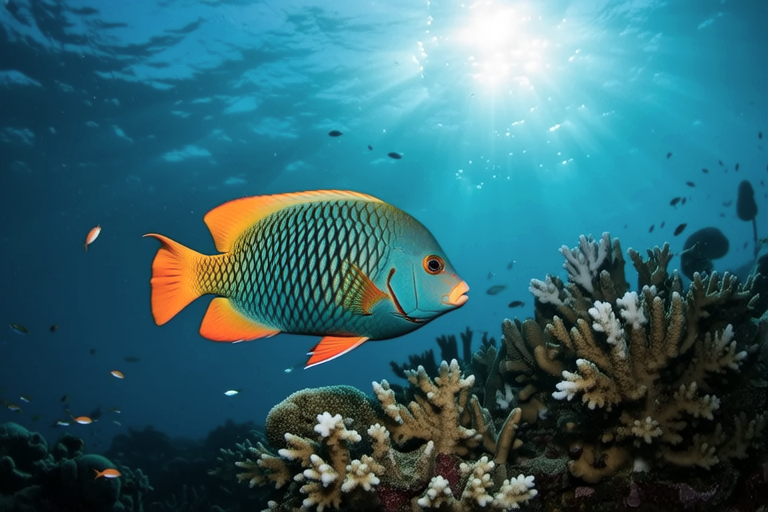
Overfishing and Its Impact on Parrot Fish Populations
Overfishing is a significant environmental issue that has profound effects on marine ecosystems, particularly on species like parrotfish. This article explores the phenomenon of overfishing, focusing on its specific impact on parrotfish populations, their ecological roles, changes in coral reef ecosystems, economic implications for fishing communities, conservation efforts, and potential future scenarios.
The Phenomenon of Overfishing
Overfishing occurs when more fish are caught than can be replenished by natural reproduction. According to the Food and Agriculture Organization (FAO), about 34% of global fish stocks are currently being fished at biologically unsustainable levels. This practice depletes fish populations, disrupts marine food webs, and threatens the livelihoods of millions of people who depend on fisheries.
Ecological Roles of Parrot Fish
Parrotfish play crucial ecological roles in coral reef ecosystems. They primarily feed on algae, which helps maintain the balance between coral and algae growth. A study published in Marine Biology found that parrotfish can consume up to 2.5 kg of algae per day, preventing algal overgrowth that could smother corals. Additionally, they contribute to the formation of sand through the process of bioerosion, where they ingest and excrete coral skeletons, thus aiding in reef maintenance.
Changes in Coral Reef Ecosystems Due to Overfishing
Overfishing of parrotfish leads to significant changes in coral reef ecosystems. With fewer parrotfish to control algal growth, reefs become increasingly dominated by algae. A 2016 study in Nature Communications revealed that heavily fished areas had 50% less coral cover compared to well-protected sites. Furthermore, reduced herbivory increases the risk of coral diseases and decreases coral recruitment rates, exacerbating the decline of these vital habitats.
Economic Implications for Fishing Communities
The economic consequences of overfishing extend beyond just the depletion of fish stocks. Fishing communities reliant on parrotfish face declining catches and income. In the Caribbean, for example, where parrotfish are an important commercial species, annual losses from overfishing have been estimated at $30 million. Moreover, the degradation of coral reefs affects tourism industries that rely on healthy marine environments, further impacting local economies.
Conservation Efforts Underway
To address the issue of overfishing, various conservation initiatives have been implemented. Marine protected areas (MPAs) serve as effective tools for protecting parrotfish and other vulnerable species. Research conducted by the National Oceanic and Atmospheric Administration (NOAA) shows that MPAs can increase fish biomass by up to 600%. Additionally, sustainable fishing practices such as catch limits and gear restrictions are being promoted to ensure long-term viability of fish populations.
Potential Future Scenarios if Current Trends Continue
If current trends of overfishing persist, the outlook for parrotfish populations and coral reefs is bleak. Without intervention, parrotfish numbers may continue to decline, leading to further deterioration of reef health. Ultimately, this could result in the collapse of entire ecosystems and severe economic hardships for coastal communities dependent on fisheries. However, proactive measures like increased enforcement of fishing regulations and expansion of MPAs offer hope for reversing these negative trends.
Conclusion
The phenomenon of overfishing poses serious threats to parrotfish populations and the broader marine environment. Understanding the ecological roles of parrotfish, the changes in coral reef ecosystems resulting from their depletion, and the economic ramifications for fishing communities underscores the urgency of addressing this issue. By supporting conservation efforts and adopting sustainable practices, we can help preserve these vital resources for future generations.
