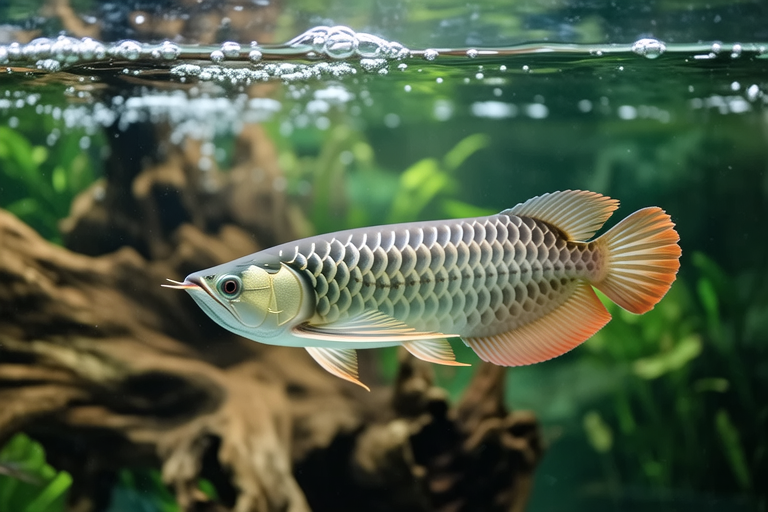
Mastering the Art of Caring for Your Exotic Arowana Pet
Welcome to the fascinating world of arowanas! These majestic fish are not only a marvel to behold but also require careful and thoughtful care. This guide will walk you through everything you need to know about keeping arowanas, from understanding their unique characteristics to setting up their environment and ensuring they stay healthy and happy.
Unique Characteristics of Arowanas
Arowanas are known for their striking appearance and impressive abilities. They possess elongated bodies with a series of bony plates that provide protection. Their dorsal fin is particularly long, extending almost the entire length of their body. The pectoral fins are large and powerful, enabling them to leap out of the water, a behavior known as “jumping.” This jumping ability is part of their hunting strategy, as they can catch insects and other prey above the water’s surface.
Another remarkable feature of arowanas is their ability to breathe air. They have a modified swim bladder that allows them to take in oxygen directly from the atmosphere. This adaptation makes them resilient in low-oxygen environments, which is why they are often found in murky waters.
Arowanas are highly intelligent and social animals. They exhibit curiosity and can recognize their owners, making them rewarding pets to interact with. However, due to their intelligence and size, they require a significant amount of space and attention. Before deciding to keep an arowana, it is essential to understand the commitment involved.
Ideal Tank Setup and Maintenance
Setting up the perfect tank for your arowana is crucial for their well-being. Given their size and activity level, arowanas need a spacious tank. A minimum of 300 gallons is recommended for a single adult arowana, and more space is needed if you plan to house multiple fish or include decorations.
The tank should be equipped with a strong filtration system capable of handling the large volume of water and the waste produced by the arowana. Additionally, ensure the filter has a pre-filter sponge to prevent the fish from being sucked into the mechanism. Arowanas are sensitive to changes in water quality, so maintaining stable conditions is vital.
Water temperature should be maintained between 78°F and 84°F (25°C to 29°C), and pH levels should range from 6.5 to 7.5. Regular water changes are necessary to keep the environment clean and healthy. Aim for a weekly partial water change of around 20% to 30%. Use a dechlorinator to remove harmful chemicals from tap water before adding it to the tank.
Substrate choice is also important. Fine gravel or sand is preferred, as larger substrates can injure the arowana’s delicate skin. Decorations should be sturdy and smooth to avoid injury. Provide hiding spots and plants to mimic their natural habitat and reduce stress.
Diet and Feeding Habits
Arowanas are carnivorous and require a varied diet to thrive. In the wild, they feed on insects, small fish, crustaceans, and even birds. When kept as pets, they can be fed a mix of live and frozen foods. Suitable options include earthworms, feeder fish, krill, and shrimp. It is advisable to offer a balanced diet that includes both protein-rich and vitamin-enriched foods.
Feeding frequency depends on the age and size of the arowana. Younger fish may need to be fed daily, while adults can be fed every two to three days. Overfeeding should be avoided, as excess food can pollute the tank and harm the fish. Always observe your arowana’s eating habits and adjust feeding amounts accordingly.
Some aquarists choose to train their arowanas to eat from their hand, which can strengthen the bond between owner and pet. This process requires patience and consistency. Start by offering food from a pair of tongs and gradually move closer until the arowana associates your hand with food.
Common Health Issues and Prevention
Despite their resilience, arowanas can face health challenges if not properly cared for. Common issues include fungal infections, bacterial diseases, and parasitic infestations. Symptoms to watch for include lethargy, loss of appetite, discoloration, and visible parasites.
To prevent health problems, maintain optimal water quality and perform regular check-ups. Quarantine any new additions to the tank for several weeks to ensure they are free from diseases. Avoid overcrowding the tank, as this can lead to stress and increased susceptibility to illness.
If you notice signs of distress in your arowana, consult a veterinarian specializing in exotic fish. They can provide appropriate treatments and advice on managing the issue effectively. Early intervention is key to preventing minor issues from becoming severe.
Tips for Interacting with Your Arowana
Interacting with your arowana can be a rewarding experience. These fish are intelligent and can develop a bond with their owners. To encourage interaction, establish a routine where you spend time near the tank each day. Gradually, your arowana may become accustomed to your presence and show interest in your activities.
During feeding times, try to handle the food gently and place it near the surface of the water. This can help your arowana associate you with food and increase their comfort level around you. Be patient; some arowanas may take longer than others to become comfortable with human interaction.
It is important to respect your arowana’s space and not attempt to touch or handle them unless absolutely necessary. Arowanas can be territorial and may react aggressively if they feel threatened. Always prioritize the safety and well-being of your fish when interacting with them.
Owning an arowana is a significant responsibility that comes with great rewards. By providing the right environment, diet, and care, you can ensure your arowana lives a long and healthy life. Remember, these are not just pets but living creatures deserving of respect and proper care. With dedication and love, you can master the art of caring for your exotic arowana pet.
