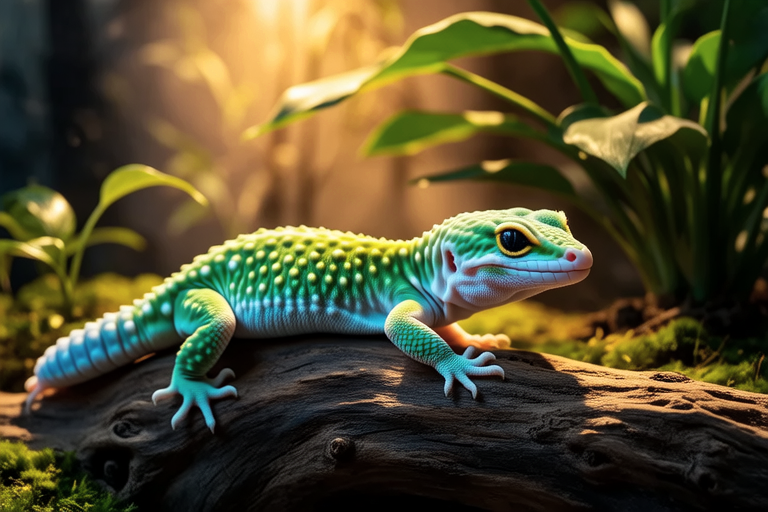
Step-by-Step Tips for Successfully Bringing Home and Bonding With a New Chameleon
Welcome to the fascinating world of chameleons! These unique reptiles are captivating creatures that require special care and attention. If you’re ready to bring one into your home, this guide will help you prepare, care for, and bond with your new pet. From setting up their habitat to understanding their dietary needs and behavior, we’ll cover everything you need to know to ensure your chameleon lives a long, healthy, and happy life.
Initial Preparation: Creating the Perfect Habitat
The first step in successfully bringing home a new chameleon is preparing its living space. Chameleons are arboreal creatures, meaning they spend most of their time in trees. Therefore, their habitat should mimic their natural environment as closely as possible.
Choosing the Right Enclosure
Select a well-ventilated enclosure made of glass or acrylic. The size of the enclosure depends on the species and age of your chameleon. For example, a young juvenile might thrive in a 20-gallon tank, while an adult may need a 40-gallon or larger setup. Always opt for the largest cage possible to allow your chameleon ample space to move around.
Setting Up the Habitat
Proper lighting is crucial for a chameleon’s health. Invest in UVB lighting to provide essential vitamin D3, which aids in calcium absorption. Place the light fixture at the top of the enclosure and position it so that the chameleon can bask directly under it. Use a digital thermometer and hygrometer to monitor temperature and humidity levels. Aim for daytime temperatures between 75-85°F (24-29°C) and nighttime temperatures around 65-70°F (18-21°C). Humidity should be maintained at 50-70%.
Include branches, vines, and plants within the enclosure to encourage climbing and exploration. Live plants like ficus, pothos, and schefflera provide both enrichment and hiding spots. Avoid toxic plants such as philodendron, spider plant, and eucalyptus.
Cleaning the Habitat
Maintain cleanliness by spot cleaning daily and performing a thorough deep clean every two weeks. Remove feces and uneaten food immediately to prevent bacterial growth. Disinfect the enclosure using a reptile-safe cleaner, rinse thoroughly, and allow it to dry completely before replacing decorations and substrate.
Understanding Proper Handling Techniques
Chameleons are delicate creatures and should be handled with care. They are not social animals like dogs or cats, so it’s important to respect their need for personal space.
Handling with Caution
Always wash your hands before and after handling your chameleon. Gently grasp them around the torso, supporting their body firmly but gently. Never hold them by the tail, legs, or head. Allow your chameleon to climb onto your hand or arm if they feel comfortable doing so.
Minimizing Stress
Limit handling to once or twice a week initially, allowing your chameleon time to adjust to its new surroundings. Gradually increase interaction over time as your chameleon becomes more accustomed to your presence. Always observe your chameleon’s body language; if it appears stressed or agitated, return it to its enclosure.
Dietary Adjustments: Feeding Your Chameleon Correctly
Chameleons are insectivores, meaning their diet consists primarily of insects. A varied diet is key to ensuring your chameleon receives all necessary nutrients.
Feeding Schedule
Feed juveniles daily and adults every other day. Offer a variety of appropriately sized insects, including crickets, dubia roaches, and silkworms. Dust insects with a calcium and vitamin D3 supplement three times per week and a multivitamin once a week. Gut-load insects by feeding them nutritious foods like leafy greens and fruits prior to offering them to your chameleon.
Water Intake
Chameleons obtain water through misting and drinking droplets from leaves. Mist the enclosure twice a day, ensuring there are plenty of water droplets for your chameleon to drink. You can also offer a shallow water dish, but many chameleons prefer to drink from droplets.
Gradual Bonding Methods: Building Trust and Comfort
Bonding with your chameleon takes time and patience. Each chameleon has its own personality, so it’s important to respect their individuality and approach bonding gradually.
Consistent Routine
Establish a consistent routine for feeding, misting, and handling. Predictability helps your chameleon feel secure and reduces stress. Spend time near the enclosure without handling your chameleon, allowing it to become familiar with your presence.
Positive Reinforcement
Offer treats, such as a favorite insect, when handling your chameleon to reinforce positive interactions. Over time, your chameleon may associate handling with pleasant experiences.
Maintaining Optimal Health Conditions
Regular health checks and prompt veterinary care are essential for keeping your chameleon healthy.
Veterinary Care
Choose a veterinarian experienced in reptile medicine. Schedule annual check-ups and consult with your vet about any changes in your chameleon’s behavior or appearance. Be aware of common health issues like metabolic bone disease, respiratory infections, and parasites. Early intervention is critical for successful treatment.
Monitoring Behavior and Appearance
Observe your chameleon’s behavior and appearance daily. A healthy chameleon is active, alert, and eats regularly. Watch for signs of illness, such as lethargy, loss of appetite, labored breathing, or abnormal shedding. Address any concerns promptly to prevent complications.
Signs of a Happy, Healthy Chameleon
Recognizing the signs of a happy, healthy chameleon is essential for providing optimal care.
Physical Signs
A healthy chameleon has clear eyes, a firm body, and vibrant coloration. Their skin should be smooth and free of cuts, abrasions, or discoloration. Check for intact toes, nails, and scales. Healthy chameleons shed their skin periodically, usually in small pieces rather than one large piece.
Behavioral Signs
Healthy chameleons are active, climbing, and basking regularly. They exhibit normal behaviors such as head bobbing, tongue flicking, and changing color. They eat consistently and show interest in their surroundings. Avoid handling a chameleon that is resting or sleeping, as this can cause unnecessary stress.
Patient and Understanding Approach
Raising a chameleon requires patience and understanding. Each chameleon is unique, and it may take time for your pet to adjust to its new home and bond with you. Respect your chameleon’s need for privacy and personal space. With proper care and attention, you’ll build a strong relationship based on trust and mutual respect.
By following these steps and maintaining a patient, caring approach, you’ll set your chameleon up for a lifetime of happiness and good health. Enjoy the rewarding experience of sharing your home with this remarkable reptile!
