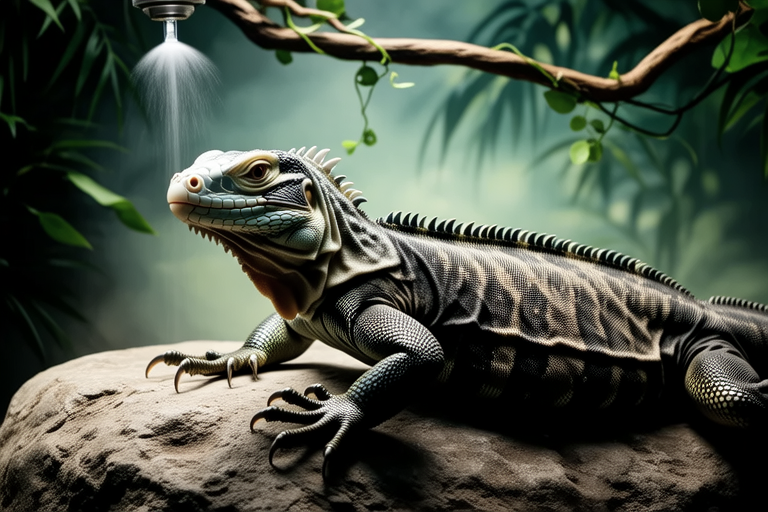
From Jungle to Home: Transforming Your Space into an Ideal Habitat for a Water Monitor
Welcome to the fascinating world of water monitors (Varanus salvator)! These incredible creatures, native to Southeast Asia, are among the largest lizards in the world. With their impressive size and unique behaviors, they can make both a captivating and challenging pet. This guide will help you create a suitable habitat for your water monitor, ensuring it thrives in its new home.
The Natural Habitat of Water Monitors
Water monitors are primarily found in the tropical rainforests, swamps, and mangroves of Southeast Asia. They are semi-aquatic, meaning they spend part of their time in water and part on land. Their natural habitat provides them with plenty of hiding spots, basking areas, and access to water bodies. Understanding these conditions is crucial for mimicking their natural environment in captivity.
Housing Requirements
Size
A water monitor requires a spacious enclosure to accommodate its size and activity level. The minimum recommended size for a single adult water monitor is 8 feet long, 4 feet wide, and 6 feet high. However, larger enclosures are always better, especially for multiple monitors or those who wish to provide more space for enrichment activities.
Temperature
Maintaining the right temperature gradient within the enclosure is vital for the health and well-being of your water monitor. The basking area should reach temperatures between 95°F and 100°F (35°C and 38°C), while the cooler end of the enclosure should be around 80°F to 85°F (27°C to 29°C). Nighttime temperatures can drop slightly but should not fall below 75°F (24°C).
Humidity
Water monitors thrive in humid environments, so maintaining a relative humidity level of 70% to 80% is essential. This can be achieved by misting the enclosure daily, providing a large water area, and using a humidifier if necessary.
Lighting
Proper lighting is crucial for the health of your water monitor. Full-spectrum UVB lighting is necessary for calcium absorption and overall health. A UVB light with a rating of 10% should be placed over the basking area and should run for approximately 10 to 12 hours per day. Additionally, a heat lamp or ceramic heat emitter should be used to maintain the appropriate basking temperature.
Substrate
The substrate, or bedding material, should be chosen carefully to ensure the safety and comfort of your water monitor. Coconut fiber, cypress mulch, or reptile-safe bark chips are excellent choices. Avoid substrates that could cause impaction, such as sand or small gravel. A deep substrate layer allows for digging and burrowing, which is important for the water monitor’s mental stimulation and physical exercise.
Dietary Needs
Water monitors are carnivorous and require a varied diet to ensure proper nutrition. Their diet should consist of rodents, insects, fish, and occasionally eggs. Feeding frequency depends on the age and size of the monitor, but generally, young monitors should be fed daily, while adults can be fed every two to three days. It’s essential to offer a variety of prey items to prevent nutritional deficiencies.
Handling Tips
Water monitors are not typically considered handling pets due to their size and strength. However, with patience and consistent effort, some owners can build a relationship with their monitor. Always approach your monitor slowly and calmly, avoiding sudden movements. Use a secure grip, supporting the body and tail, and never grab the lizard by the tail, as this can result in injury.
Essential Accessories
Hides
Providing multiple hide boxes throughout the enclosure is essential for the water monitor’s sense of security. These hides should be large enough for the monitor to fit comfortably inside and should be placed at different temperature zones within the enclosure.
Water Area
A water area is a must-have for any water monitor enclosure. The water should be large enough for the monitor to swim freely and should be cleaned regularly to maintain hygiene. Some owners choose to provide a shallow pool for soaking, while others opt for a deeper pool that allows swimming.
Creating a Safe and Stimulating Environment
In addition to the basic requirements, there are several ways to enhance your water monitor’s environment. Providing climbing branches, floating platforms, and other enrichment items can stimulate the monitor’s natural behaviors and prevent boredom. Regularly rotating these items keeps the enclosure interesting and engaging for your pet.
Responsibilities of Owning a Water Monitor
Owning a water monitor comes with significant responsibilities. These large lizards require a substantial investment of time, money, and resources. Potential owners should research thoroughly and ensure they have the means to provide for the monitor’s needs throughout its lifespan, which can exceed 15 years. Additionally, owners should be prepared for the challenges of housing such a large animal and understand the legal restrictions in their area regarding exotic pets.
In conclusion, transforming your space into an ideal habitat for a water monitor requires careful planning and consideration. By understanding the natural habitat of water monitors and providing the appropriate housing, lighting, temperature, humidity, and diet, you can create a safe and stimulating environment for your pet. Remember, owning a water monitor is a long-term commitment that demands dedication and responsibility. With proper care and attention, your water monitor can become a rewarding and fascinating companion.
