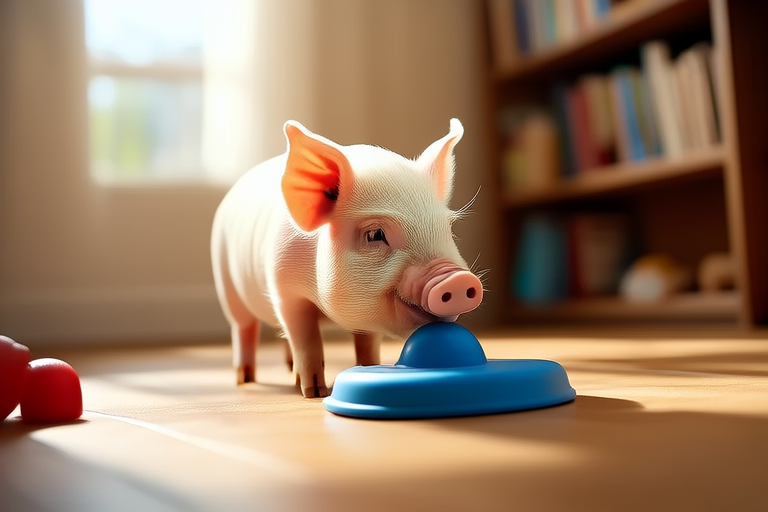
The Ultimate Guide to Training Your Smart and Curious Mini Pig
Understanding Mini Pig Behavior
Mini pigs are intelligent, curious, and social animals that thrive on mental stimulation and companionship. They have a keen sense of smell and can be quite vocal, often grunting or squealing to express their feelings. Understanding their natural behaviors is crucial for effective training. Mini pigs are highly intelligent and can learn quickly, but they also have strong personalities and may be stubborn at times.
It’s important to recognize that mini pigs are not just small versions of larger pigs; they have distinct characteristics and needs. Their intelligence means they need mental stimulation, but they can also be territorial and possessive of their space and belongings. Understanding these traits helps in creating a harmonious living environment and aids in successful training.
Basic Obedience Training
Training your mini pig in basic obedience commands is essential for maintaining a well-behaved pet. Start with simple commands like ‘sit,’ ‘stay,’ and ‘come.’ Use treats as rewards to encourage desired behaviors. Consistency is key in teaching your pig these commands. Practice in short sessions to keep their attention focused and gradually increase the duration and complexity of the exercises.
Teaching your mini pig to walk on a leash can be particularly useful if you plan to take them outside. Begin by getting your pig accustomed to wearing a harness, then introduce the leash during familiarization walks around your home. Gradually extend these walks to include outdoor environments, ensuring your pig remains comfortable and relaxed throughout the process.
Using Positive Reinforcement
Positive reinforcement is the cornerstone of effective training for mini pigs. This method involves rewarding desirable behaviors with treats, praise, or toys, thereby encouraging repetition of those behaviors. Avoid punishment-based techniques, as they can lead to fear and aggression. Instead, focus on building a trusting relationship with your pig through positive interactions.
To implement positive reinforcement effectively, choose high-value treats that your pig loves, such as sweet potatoes or apples. Be consistent with your timing, rewarding the behavior immediately after it occurs. Over time, your pig will associate the command with the treat, reinforcing the desired action.
Addressing Common Challenges
Training mini pigs can sometimes be challenging due to their independent nature and occasional stubbornness. Common issues include digging, biting, and refusal to follow commands. To address these challenges, maintain patience and persistence. Redirect unwanted behaviors with positive alternatives and continue to reinforce good behavior.
If your pig exhibits destructive behaviors like chewing furniture, provide appropriate chew toys and redirect their attention when necessary. For biting, establish clear boundaries and teach an acceptable substitute, such as a toy or treat. In cases of disobedience, revisit the basics of obedience training and ensure consistency in your approach.
Dietary Considerations Affecting Behavior
A balanced diet is crucial for maintaining your mini pig’s health and behavior. Mini pigs require a diet rich in fiber and low in fat, with limited access to sugary foods. Proper nutrition supports brain function and overall well-being, which in turn influences their behavior. Overfeeding or providing inappropriate foods can lead to obesity and behavioral issues.
Consult with a veterinarian to determine the appropriate diet for your mini pig based on age, size, and activity level. Regular feeding schedules help establish routine and predictability, which can reduce anxiety and improve behavior. Additionally, consider offering a variety of vegetables and fruits to meet nutritional needs while keeping treats in moderation.
Exercise Needs
Regular exercise is vital for the physical and mental health of your mini pig. Despite their small size, mini pigs need ample opportunities to explore and play. Provide a safe, enclosed area where they can run, dig, and interact with their surroundings. Incorporate interactive toys and puzzles to stimulate their minds and prevent boredom.
Outdoor activities can be beneficial for both you and your pig. Take them on supervised walks or set up play areas where they can safely engage in physical activities. Ensure that the environment is secure and free from hazards. Regular exercise helps maintain a healthy weight and reduces the risk of behavioral problems associated with pent-up energy.
Tips for Socializing Your Mini Pig
Socializing your mini pig is important for fostering a friendly and well-adjusted pet. Introduce your pig to various people and animals gradually to build confidence and reduce fear responses. Encourage gentle handling and positive interactions from an early age. Expose your pig to different environments and situations to enhance adaptability and reduce stress.
Group play sessions with other mini pigs can be enriching, promoting social skills and reducing loneliness. However, monitor interactions closely to ensure safety and intervene if any signs of aggression arise. Socialization should be a continuous process, adapting to your pig’s changing needs and experiences.
