Clownfish Companionship: Understanding Their Behavior and Needs
Clownfish, also known as anemonefish, have captivated the hearts of many with their vibrant colors and fascinating behaviors. These small, yet resilient creatures are popular among aquarists due to their striking appearance and relatively easy care requirements. In this article, we will delve into the world of clownfish, exploring their natural habitat, behavior, social structure, dietary needs, and much more. We’ll also provide essential tips for maintaining a healthy and enriching environment for these delightful fish.
Natural Habitat and Behavior
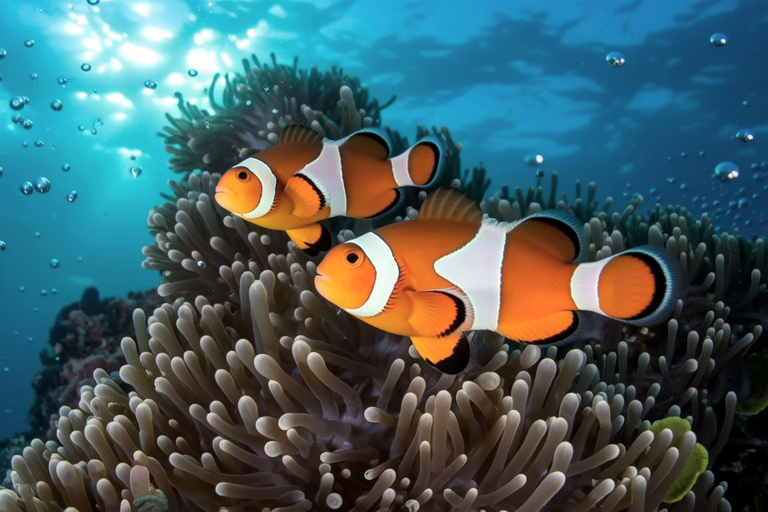
Native to the warm waters of the Indian and Pacific Oceans, clownfish live in close association with sea anemones. The relationship between clownfish and sea anemones is one of mutualism, where both species benefit from each other. The anemone provides protection for the clownfish, while the clownfish helps to keep the anemone clean by eating any dead tentacles or debris. This symbiotic relationship is a prime example of nature’s intricate balance.
In the wild, clownfish are highly territorial and fiercely defend their chosen anemone from potential threats. They swim in and out of the anemone’s tentacles, which are coated with a layer of mucus that protects the clownfish from the anemone’s stinging cells. This unique adaptation allows clownfish to coexist with their host without being harmed.
Social Structure and Communication
Clownfish exhibit a well-defined social hierarchy within their group. Typically, a single mating pair dominates the group, with the largest female being the dominant individual. The second-largest fish is usually the male. Smaller clownfish in the group are often juveniles, waiting for an opportunity to take over if the dominant pair dies. This social structure ensures that the strongest individuals are responsible for reproduction and defense.
Communication among clownfish is primarily non-verbal, relying on visual cues, body language, and chemical signals. They use rapid movements, such as darting back and forth, to communicate aggression or territoriality. When clownfish are comfortable and at ease, they may perform a slow swimming motion, known as ‘circling,’ which is often associated with courtship or a display of dominance. Additionally, clownfish release pheromones to mark their territory and attract mates.
Compatibility with Other Marine Species
When considering adding clownfish to an aquarium, it’s important to understand their compatibility with other marine species. Clownfish are generally peaceful and can coexist with many other fish species, provided there is enough space and hiding spots available. However, it’s crucial to avoid housing clownfish with aggressive or predatory species, as they might become stressed or injured.
In aquariums, clownfish can be kept with various tankmates, including small to medium-sized peaceful fish like damsels, gobies, and blennies. It’s also possible to house multiple clownfish together, but only if they come from the same group or are introduced simultaneously. If you introduce a new clownfish to an established group, it may lead to aggression and stress.
Dietary Needs and Feeding Habits
Clownfish are omnivorous, meaning they eat both plant and animal matter. In the wild, their diet consists of algae, zooplankton, and small invertebrates. In captivity, providing a balanced diet is essential for their health and well-being. A suitable diet for clownfish includes high-quality flake food, pellets, and occasional treats like brine shrimp, bloodworms, or finely chopped seafood.
Feeding clownfish should be done two to three times daily, ensuring that they consume all the food within a few minutes. Overfeeding can lead to poor water quality and health issues. It’s important to monitor their eating habits and adjust the amount of food accordingly. Providing a variety of foods will help ensure that your clownfish receive all the necessary nutrients.
Common Health Issues and Maintaining a Healthy Environment
Like any living creature, clownfish are susceptible to certain health issues. Some common problems include bacterial infections, parasitic infestations, and stress-related disorders. Regular water changes, proper filtration, and maintaining optimal water parameters are crucial for preventing these issues.
To keep your clownfish healthy, ensure that the water temperature stays between 76°F and 82°F (24°C and 28°C), with a pH level between 8.1 and 8.4. Ammonia and nitrite levels should be undetectable, while nitrate levels should remain below 20 ppm. Additionally, providing ample hiding spots and ensuring the aquarium has a consistent day-night cycle will help reduce stress.
Tips for New Owners
Creating an enriching habitat for your clownfish involves several key considerations:
- Choose the Right Tank: A minimum tank size of 30 gallons is recommended for a single clownfish pair. Larger tanks allow for more swimming space and better water quality.
- Provide Hiding Spots: Clownfish need places to hide and feel secure. Incorporate live or fake sea anemones, rocks, and caves into the tank setup.
- Stress Reduction: Avoid sudden changes in water parameters and handle your clownfish gently when necessary.
- Monitor Water Quality: Test the water regularly and perform partial water changes weekly to maintain optimal conditions.
Fostering companionship with your clownfish can be a rewarding experience. Spend time observing their behavior and interacting with them through gentle feeding sessions. Over time, you may notice that your clownfish become more confident and playful, making them even more enjoyable to watch.
By understanding the natural habitat and behavior of clownfish, as well as their dietary needs and compatibility with other species, you can create a thriving environment for these captivating fish. With proper care and attention, your clownfish will bring joy and beauty to your aquarium for years to come.
