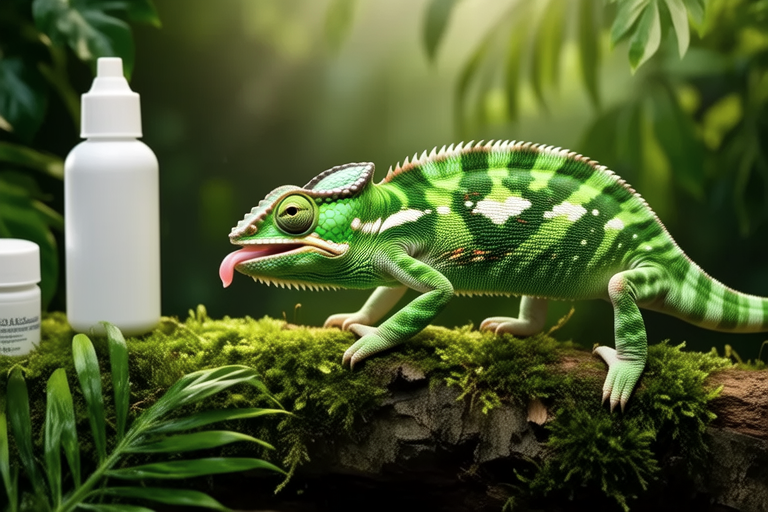
Chameleon Care Tips That Will Make Your Pet Healthier and Happier
Welcome to the fascinating world of chameleons! These unique reptiles are known for their vibrant color changes, prehensile tails, and specialized eyes that can move independently. Caring for a chameleon requires dedication and attention to detail, but with the right knowledge, you can provide your pet with a healthy and happy life. This guide will cover essential topics such as proper diet, suitable habitat setup, temperature and humidity requirements, lighting needs, handling techniques, common health issues, and signs of a healthy chameleon. We’ll also explore ways to enrich their environment and stimulate their minds.
Proper Diet
Feeding your chameleon correctly is crucial for its overall health. A balanced diet consists mainly of live insects, such as crickets, dubia roaches, and waxworms. It’s important to gut-load these insects before feeding them to your chameleon. Gut-loading involves feeding the insects a nutritious diet rich in vitamins and minerals. You can purchase commercial gut-loading products or create a mix of fresh vegetables, fruits, and grains.
In addition to live insects, you should offer a calcium and vitamin D3 supplement. Dust the insects with this supplement at least three times a week. However, be cautious not to over-supplement, as excessive amounts can lead to health problems. Occasionally, you can offer leafy greens, such as collard greens, mustard greens, and dandelion greens, but avoid feeding iceberg lettuce or spinach, as they lack nutritional value and can cause digestive issues.
Suitable Habitat Setup
A well-designed habitat is vital for your chameleon’s physical and psychological well-being. The enclosure should be large enough to allow your chameleon to move freely and climb comfortably. A standard rule of thumb is to provide at least one square foot of floor space per inch of chameleon length. For example, a juvenile chameleon would require a minimum of 24×24 inches, while an adult might need a 48×48-inch enclosure.
The enclosure should have multiple branches and vines for climbing. These structures should vary in diameter and texture to encourage natural behavior. Additionally, include live or artificial plants to create a more stimulating environment. Live plants, such as pothos, spider plants, and ficus trees, not only enhance aesthetics but also improve air quality. However, ensure that any plants you introduce are safe for chameleons and free from pesticides.
Temperature and Humidity Requirements
Maintaining appropriate temperature and humidity levels within the enclosure is essential for your chameleon’s health. Chameleons are ectothermic, meaning they rely on external heat sources to regulate their body temperature. Provide a thermal gradient within the enclosure, with a basking spot reaching between 90°F and 95°F (32°C to 35°C). The cooler end of the enclosure should range from 75°F to 85°F (24°C to 29°C).
Humidity levels should be kept between 40% and 60%. Use a hygrometer to monitor humidity levels accurately. If necessary, you can increase humidity by misting the enclosure several times a day or installing a fogger or humidifier. Be cautious not to create stagnant water pools, as this can lead to bacterial growth and respiratory issues.
Lighting Needs
Chameleons require specific types of lighting to meet their physiological needs. Full-spectrum UVB lighting is crucial for calcium metabolism and bone health. Choose a bulb with a UVB output of 5.0 or higher and position it within 12 to 18 inches of the basking area. Replace the bulb every six months, even if it still appears functional, as UVB output diminishes over time.
In addition to UVB lighting, provide a heat lamp to maintain the desired temperature gradient. Avoid using incandescent bulbs, as they can emit harmful UV radiation. Instead, opt for ceramic heat emitters or red heat lamps, which provide heat without visible light.
Handling Techniques
Chameleons are generally not suited for frequent handling. They are solitary creatures and may become stressed when removed from their environment. When handling is necessary, approach your chameleon slowly and gently. Support its body fully, avoiding excessive pressure on its limbs or tail. Limit handling sessions to short periods, no more than five minutes at a time.
Always wash your hands before and after handling your chameleon to prevent the spread of bacteria. Be mindful of your scent, as chameleons have a keen sense of smell and may become agitated if exposed to unfamiliar odors.
Common Health Issues
Despite proper care, chameleons may still encounter health problems. Some common issues include metabolic bone disease (MBD), respiratory infections, and parasites. Metabolic bone disease occurs due to insufficient calcium intake or inadequate UVB exposure. Symptoms include softening of the bones, tremors, and difficulty moving. Respiratory infections can result from poor ventilation or excessively high humidity levels. Signs include wheezing, labored breathing, and discharge from the nose or mouth. Parasites, such as pinworms, can be introduced through contaminated food or unsanitary conditions.
If you suspect your chameleon has any health issues, consult a veterinarian specializing in exotic animals immediately. Early intervention can prevent complications and improve recovery chances.
Signs of a Healthy Chameleon
A healthy chameleon exhibits certain behaviors and physical characteristics. It should have bright, alert eyes and a robust, symmetrical body. Its skin should be smooth and free from lesions or discoloration. A healthy chameleon will display vibrant colors and show interest in its surroundings. Appetite and activity levels should remain consistent, and it should regularly bask under the heat lamp. Additionally, check for regular defecation and urination, which should occur at least once daily.
Enrichment and Mental Stimulation
To ensure your chameleon’s happiness, provide opportunities for enrichment and mental stimulation. Rotate the location of branches and plants periodically to encourage exploration. Introduce new items, such as cork bark or bamboo stakes, to keep the environment interesting. Offer novel foods in different locations to challenge your chameleon’s hunting instincts.
Interactive toys, such as hanging bells or mirrors, can also engage your chameleon. However, avoid placing objects too close together, as chameleons prefer spacious environments. Regularly observe your chameleon’s interactions with its surroundings to gauge its comfort level and adjust the enclosure accordingly.
Conclusion
Caring for a chameleon is a rewarding experience that requires commitment and knowledge. By following the guidelines outlined in this article, you can ensure your pet enjoys a healthy and happy life. Remember to provide a balanced diet, suitable habitat, appropriate temperature and humidity levels, adequate lighting, and minimal handling. Regularly monitor your chameleon’s health and seek veterinary assistance when needed. Lastly, enrich its environment to promote mental stimulation and overall well-being. With proper care, your chameleon will thrive and bring joy to your home.
