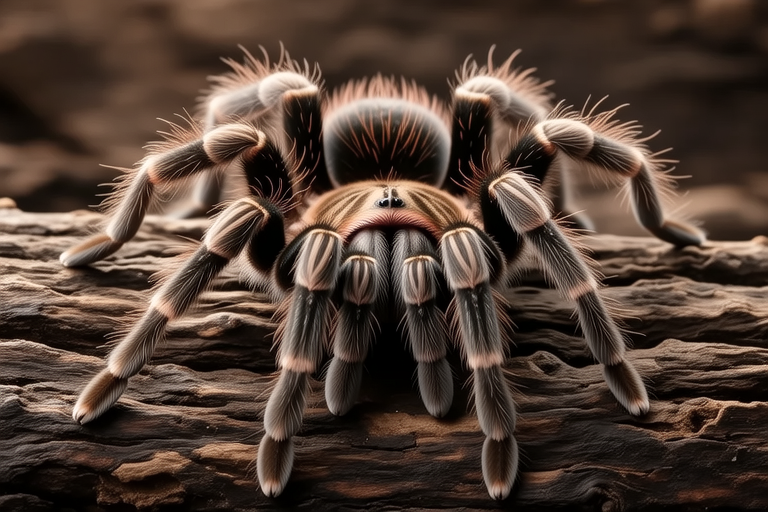
Creepy Yet Cuddly: Discover the Fascinating World of the Chilean Rose Tarantula
Introduction
Tarantulas have long been shrouded in fear and misconception. These large, hairy spiders often evoke images of terrifying creatures lurking in dark corners. However, the Chilean Rose tarantula (Grammostola rosea) challenges these stereotypes, offering a unique blend of fascination and approachability. This species, native to the deserts and scrublands of Chile, Argentina, and Bolivia, is not only one of the most popular tarantulas among enthusiasts but also a delightful ambassador for its kind. With their gentle demeanor and striking appearance, Chilean Rose tarantulas invite us to explore the captivating world of these misunderstood arachnids.
The Unique Charm of the Chilean Rose Tarantula
The Chilean Rose tarantula’s appearance is both mesmerizing and endearing. Its body is adorned with a soft, velvety coat that ranges from light pink to deep rose hues, with darker brown or black legs tipped with tiny hairs. These hairs, known as setae, play a crucial role in the spider’s defense and sensory perception. The Chilean Rose tarantula’s coloration provides excellent camouflage against the sandy desert environment it calls home, making it an expert at blending into its surroundings.
Habitat and Dietary Habits
Native to the arid regions of South America, the Chilean Rose tarantula thrives in habitats characterized by sparse vegetation, rocky outcrops, and shifting sands. These conditions mimic the natural environment of the species, which has adapted to survive in areas where water is scarce and temperatures can fluctuate dramatically. In the wild, the Chilean Rose tarantula is primarily nocturnal, emerging under the cover of darkness to hunt for prey. Their diet consists mainly of insects such as crickets, grasshoppers, and small beetles. Occasionally, they may also consume small vertebrates like lizards or mice.
A Perfect Beginner Tarantula
For those new to the world of tarantula keeping, the Chilean Rose tarantula stands out as an ideal choice. Its docile nature, coupled with minimal space and temperature requirements, makes it an accessible option for beginners. Unlike some other tarantula species that are more skittish or aggressive, the Chilean Rose tarantula is relatively calm and less likely to bite when handled properly. This trait, along with its hardiness and ease of care, has earned it a reputation as one of the best tarantulas for novice enthusiasts.
Behavior and Interaction with Humans
The Chilean Rose tarantula is known for its gentle disposition, which extends to interactions with humans. While they are not pets in the traditional sense, many owners find them to be fascinating companions. When handled with care and respect, these spiders exhibit a surprising level of tolerance and even curiosity towards their human handlers. It is important, however, to understand that each individual spider may have different preferences and levels of comfort, so patience and gentleness are key.
Defensive Mechanisms and Silk Production
Despite their generally docile nature, Chilean Rose tarantulas possess several effective defensive strategies. One of the most notable is their ability to release urticating hairs from their abdomen. These fine, barbed hairs can cause irritation if they come into contact with skin or eyes, serving as a deterrent against predators. Another defense mechanism involves the production of silk, which the spider uses to create webs for shelter and protection. Interestingly, the Chilean Rose tarantula does not rely heavily on webbing for hunting, instead opting for ambush tactics and direct pursuit of prey.
Care Tips for Pet Owners
For those interested in keeping a Chilean Rose tarantula as a pet, there are several essential factors to consider. First and foremost, providing a suitable habitat is crucial. A well-ventilated enclosure with a substrate that allows for burrowing, such as coconut fiber or vermiculite, will help replicate the spider’s natural environment. Temperature and humidity levels should be maintained within specific ranges to ensure optimal health. Regular feeding with appropriately sized insects and occasional misting to maintain moisture levels are also important aspects of care.
Responsible ownership includes understanding the lifecycle of your pet and being prepared for changes in behavior as the spider matures. As with any living creature, it is vital to provide proper care and attention throughout the entire lifespan of your Chilean Rose tarantula. By doing so, you not only ensure the well-being of your pet but also contribute to the broader appreciation and understanding of these remarkable arachnids.
Conclusion
The Chilean Rose tarantula offers a unique opportunity for both novice and experienced enthusiasts to engage with these fascinating creatures. From their captivating appearance to their intriguing behaviors and impressive survival strategies, there is much to discover and appreciate about this remarkable species. By approaching tarantula keeping with knowledge, respect, and responsibility, we can foster a deeper connection with these often misunderstood animals, uncovering the true beauty hidden beneath their intimidating exterior.
