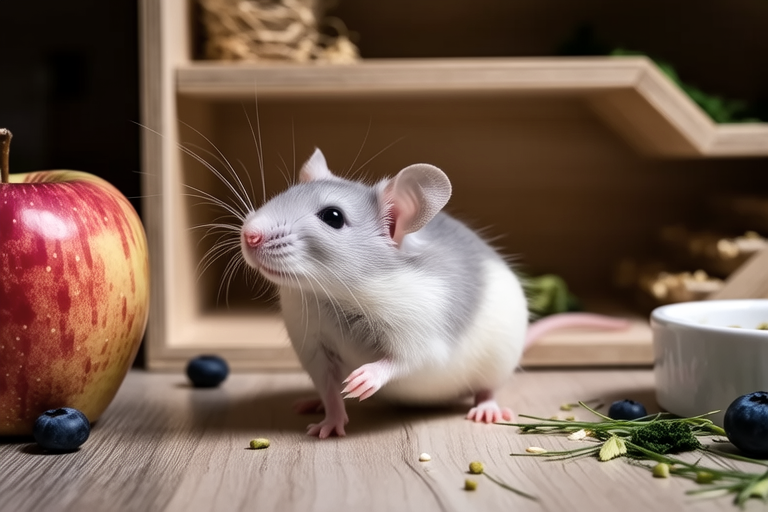
Top Tips for Keeping Your Chinchilla Happy and Healthy at Home
Chinchillas are adorable, fluffy rodents that make wonderful pets. Originating from the Andes Mountains in South America, these creatures have specific needs that must be met to ensure they live long, healthy lives. This article will provide you with essential advice on how to keep your chinchilla happy and healthy at home, covering aspects such as diet, housing, exercise, grooming, temperature control, social interaction, and common health issues.
Diet: The Foundation of Health
A balanced diet is crucial for maintaining your chinchilla’s health. Their digestive systems require constant fiber intake, so hay should always be available. Timothy hay is the most recommended choice. Avoid alfalfa hay, as it is too rich in calcium and protein. Additionally, a high-quality chinchilla pellet formulated specifically for their dietary needs should be provided. Fresh water should also be available at all times, ideally from a sipper bottle designed for small animals.
Variety is key when it comes to treats. Offer your chinchilla small amounts of safe fruits and vegetables like apples, carrots, or broccoli. However, be cautious about introducing new foods, as some can cause digestive upset. Always research before offering any new treat.
Housing: Creating a Safe and Comfortable Environment
The right enclosure is vital for your chinchilla’s well-being. A large cage with multiple levels and enough space for exploration is ideal. Wire cages with bars spaced no more than 1 inch apart are preferred, ensuring your pet cannot squeeze through or get stuck. Place the cage away from direct sunlight, drafts, and areas with excessive noise.
Bedding is another important consideration. Avoid cedar and pine shavings, which can irritate a chinchilla’s respiratory system. Instead, opt for dust-free paper pulp bedding or aspen shavings. Regular cleaning of the cage is necessary to maintain hygiene and prevent odor buildup.
Exercise: Promoting Physical and Mental Well-Being
Chinchillas are active animals that need regular exercise to stay healthy. In addition to providing ample space within the cage, allow supervised time outside the cage each day. This helps them stretch their legs and explore new environments. Ensure the area is chinchilla-proofed by removing any potential hazards, such as electrical cords or small objects they could ingest.
Toys and activities can also stimulate mental engagement. Provide chew toys made from untreated wood, cardboard boxes, or safe plastic toys. Rotate these items periodically to maintain interest and prevent boredom.
Grooming: Maintaining a Clean and Healthy Coat
Chinchillas have thick fur that requires special care. Dust baths are essential for keeping their coat clean and free of oils. Use commercial chinchilla dust, which contains volcanic ash, and limit bath time to about 15 minutes twice weekly. Overbathing can lead to skin irritation or other issues.
Brushing is generally unnecessary, as chinchillas groom themselves. However, if your chinchilla has tangles or mats, gently comb out these areas with a soft brush. Be gentle and patient, as chinchillas may not enjoy this process.
Temperature Control: Ensuring Optimal Living Conditions
Chinchillas are sensitive to heat and humidity. Ideally, the ambient temperature should remain between 64 and 70 degrees Fahrenheit (18-21 degrees Celsius). Humidity levels should be kept low, around 40% or less. To achieve this, consider using a dehumidifier or air conditioner during warmer months.
Heatstroke is a serious risk for chinchillas. Signs include lethargy, panting, and redness around the ears. If you suspect heatstroke, move your chinchilla to a cooler area immediately and contact a veterinarian.
Social Interaction: Nurturing Emotional Well-Being
Chinchillas are social animals that benefit from interaction with humans. Spend time handling and playing with your chinchilla daily. However, be mindful of their personal space and reactions. Some chinchillas may become stressed or agitated if handled too roughly or frequently.
If you have multiple chinchillas, consider keeping them together in the same cage. They can provide companionship and entertainment for each other. However, introduce new chinchillas slowly and carefully to avoid fighting.
Common Health Issues: Early Detection and Prevention
Regular veterinary check-ups are crucial for maintaining your chinchilla’s health. Familiarize yourself with common health problems and signs of illness. Some frequent issues include dental problems, respiratory infections, and digestive disorders.
Monitor your chinchilla’s eating habits, droppings, and behavior for any changes that might indicate illness. Prompt action is necessary if you notice unusual symptoms. Consult a veterinarian specializing in exotic pets for diagnosis and treatment.
Creating a Stimulating Environment: Encouraging Natural Behavior
Chinchillas are curious and intelligent animals that thrive in stimulating environments. Provide opportunities for natural behaviors, such as climbing, jumping, and exploring. Install ramps, platforms, and tunnels within the cage to encourage movement and play.
Incorporate elements that mimic their natural habitat. For example, offer branches for chewing and climbing. These activities not only entertain but also help wear down teeth, which grow continuously throughout a chinchilla’s life.
Conclusion: Commitment to Care
Raising a happy and healthy chinchilla requires commitment and attention to detail. By providing a nutritious diet, suitable housing, regular exercise, proper grooming, controlled temperature, social interaction, and prompt medical care, you can ensure your chinchilla enjoys a long, fulfilling life. Remember, each chinchilla is unique, so observe your pet closely and adapt care practices accordingly.
