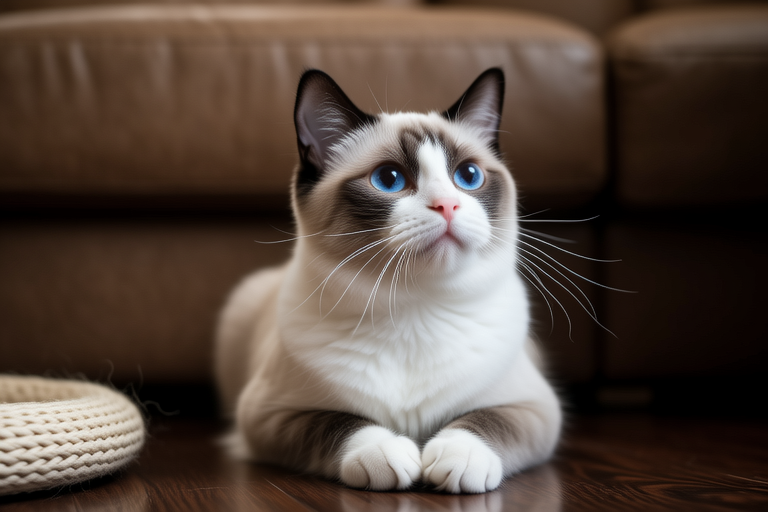
Exploring the Unique Behaviors of Siamese Cats
Welcome to an in-depth exploration of the fascinating world of Siamese cats. These elegant felines have captivated cat lovers for centuries with their distinctive looks, vocal nature, and strong social tendencies. In this article, we will delve into the unique behaviors of Siamese cats, focusing on their vocal nature, social tendencies, intelligence, and loyalty. We’ll also provide insights into their history, how environmental factors influence their behavior, common misconceptions about Siamese cats, and tips for owners to understand and bond better with their pets.
The History of Siamese Cats
The origins of Siamese cats can be traced back to Thailand, formerly known as Siam. They were once considered sacred and were kept by Buddhist monks and royalty. The first Siamese cats arrived in England in the late 19th century, and their popularity quickly spread across Europe and North America. Today, Siamese cats are one of the most recognizable and popular breeds worldwide.
Vocal Nature of Siamese Cats
One of the most striking characteristics of Siamese cats is their vocal nature. Siamese cats are known for being very talkative, often meowing or chirping to communicate with their owners. This behavior is rooted in their evolutionary history. Siamese cats were originally bred to be companion animals for humans, and their vocalization was likely a way to maintain communication and attention from their human companions.
Siamese cats tend to be more vocal than other breeds, and they are not shy about letting you know when they want something. Their meows can range from soft and gentle to loud and insistent, depending on the situation. Some Siamese cats even develop a “chirping” sound, which is a high-pitched, bird-like noise that they make when they are excited or trying to get your attention.
Interestingly, Siamese cats are not just vocal for the sake of it; they use their voices to convey specific messages. For example, a soft meow might indicate hunger or a desire for attention, while a louder, more insistent meow could signal distress or discomfort. Understanding these vocal cues can help owners respond appropriately to their cat’s needs.
Social Tendencies of Siamese Cats
Siamese cats are highly social animals and thrive in environments where they receive plenty of attention and interaction. They are known for forming strong bonds with their owners and often seek out physical contact, such as cuddling or sitting on laps. This social nature is another trait that may have been selected for during their breeding as companion animals.
Siamese cats are generally friendly towards other pets and people, making them excellent choices for families or households with multiple pets. However, they can become anxious or stressed if left alone for long periods. This is because Siamese cats are intelligent and curious creatures that require mental stimulation and companionship to stay happy and healthy.
Environmental factors play a significant role in shaping the social behavior of Siamese cats. Providing them with interactive toys, scratching posts, and other forms of enrichment can help keep them mentally stimulated and reduce stress. Additionally, creating a comfortable and secure environment where they feel safe and loved can encourage positive social behavior.
Intelligence of Siamese Cats
Siamese cats are known for their intelligence and problem-solving abilities. They are quick learners and can be trained to perform tricks or respond to commands. This intelligence is due in part to their high level of curiosity and desire to explore their surroundings. Siamese cats are constantly observing their environment and looking for ways to interact with it.
Research has shown that Siamese cats have a higher level of cognitive function compared to some other breeds. They are able to learn complex tasks and remember them over time. This makes them ideal candidates for training programs, such as clicker training or agility courses. Owners who take the time to train their Siamese cats can strengthen the bond between them and provide mental stimulation that helps keep their pet engaged and happy.
It’s important to note that while Siamese cats are intelligent, they can also be quite stubborn at times. Consistency and positive reinforcement are key when training these cats. Rewarding good behavior with treats, praise, or playtime can encourage them to repeat desired actions.
Loyalty of Siamese Cats
Siamese cats are often described as being extremely loyal to their owners. They form strong emotional attachments and are known to follow their owners around the house, seeking out opportunities for interaction and affection. This loyalty is partly due to their social nature and desire for companionship, but it also stems from their deep emotional bond with their human family.
Siamese cats are sensitive to changes in their environment and can become distressed if their routine is disrupted. For example, moving to a new home or having a family member leave can cause them to become clingy or anxious. Owners who recognize these signs and provide extra comfort and attention can help ease their pet’s transition and maintain a strong bond.
Common Misconceptions About Siamese Cats
Despite their popularity, there are several misconceptions about Siamese cats that can lead to misunderstandings or mismanagement. One common misconception is that all Siamese cats are vocal and demanding. While it’s true that Siamese cats tend to be more vocal than many other breeds, not all Siamese cats are equally talkative. Some individuals may be quieter or less inclined to vocalize frequently.
Another misconception is that Siamese cats are high-maintenance and require constant attention. While Siamese cats do enjoy social interaction and mental stimulation, they are adaptable and can thrive in a variety of living situations. Providing them with appropriate toys, scratching posts, and other forms of enrichment can help meet their needs without requiring constant supervision.
Finally, some people believe that Siamese cats are more prone to health problems than other breeds. While it’s true that Siamese cats are predisposed to certain genetic conditions, such as dental issues and respiratory problems, proper care and regular veterinary check-ups can help manage these concerns effectively.
Tips for Owners to Understand and Bond Better With Their Pets
To build a strong bond with your Siamese cat, it’s essential to understand their unique needs and behaviors. Here are some tips for owners to foster a deeper connection with their pet:
- Provide ample social interaction: Spend quality time with your Siamese cat each day, engaging in activities like playing, grooming, or simply sitting together. This will help reinforce the bond and satisfy their need for companionship.
- Offer mental stimulation: Provide your Siamese cat with toys that challenge their mind, such as puzzle feeders or interactive toys that require problem-solving skills. This will keep them mentally sharp and prevent boredom.
- Be consistent with training: Use positive reinforcement techniques to train your Siamese cat, rewarding good behavior with treats or praise. This will help them learn and retain new skills while strengthening your relationship.
- Pay attention to vocal cues: Learn to recognize the different sounds your Siamese cat makes and what they might be communicating. This will allow you to respond appropriately to their needs and build trust.
- Create a comfortable environment: Ensure your Siamese cat has access to a cozy bed, scratching post, and other amenities that promote relaxation and security. This will help them feel safe and content in their home.
In conclusion, Siamese cats are fascinating creatures with unique behaviors that stem from their history, intelligence, and social nature. By understanding these traits and providing appropriate care, owners can build strong, loving relationships with their pets and ensure they live happy, healthy lives. Whether you’re a seasoned cat owner or considering adopting a Siamese cat for the first time, taking the time to learn about their needs and preferences can make all the difference in creating a harmonious household.
