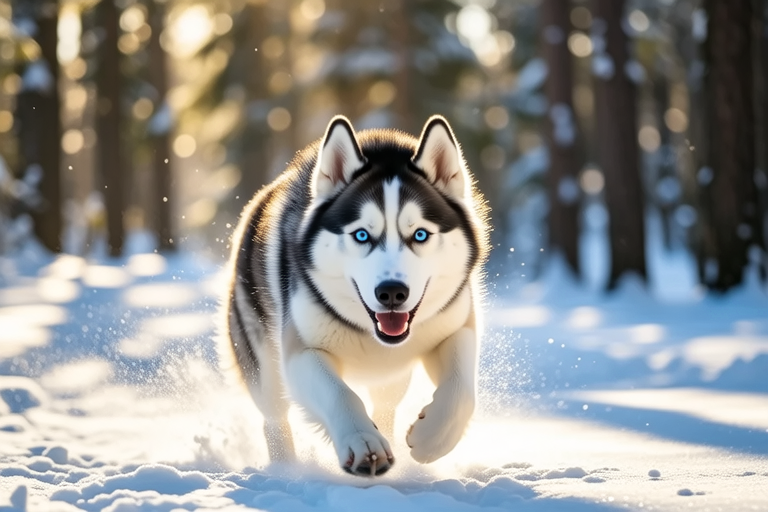
Siberian Huskies: The Tale of a Breed Born to Run and Thrive in Winter
The Siberian Husky, a breed renowned for its striking appearance and remarkable endurance, has captivated the hearts of dog lovers worldwide. Originating from the icy landscapes of Siberia, these dogs were bred by the Chukchi people, a nomadic tribe residing in the northeastern region of Russia. The Chukchi people relied heavily on these dogs for transportation and companionship. Siberian Huskies were used to pull sleds over vast distances, allowing the Chukchi to traverse the challenging terrain of their homeland efficiently. This ancient bond between humans and dogs laid the foundation for a breed that would eventually become synonymous with winter, strength, and loyalty.
A Legacy of Strength and Endurance
The Chukchi people’s reliance on Siberian Huskies for survival shaped the breed’s unique characteristics. Their ability to endure harsh winters and cover extensive distances made them invaluable partners. The Chukchi selectively bred dogs that exhibited exceptional endurance, resilience, and agility. Over centuries, these qualities became ingrained in the Siberian Husky’s DNA, resulting in a breed perfectly adapted to life in the Arctic Circle.
Physical Characteristics Adapted for Winter Survival
Siberian Huskies possess a range of physical attributes that enable them to thrive in frigid environments. Their thick, double-layered coat serves as an insulating barrier against the biting cold. The outer layer consists of straight guard hairs, while the undercoat is dense and woolly, providing warmth and protection. Additionally, Siberian Huskies have a unique facial structure, including muzzles and ears covered in fur, which further aids in maintaining body heat.
Another fascinating adaptation is their webbed feet. These specialized paws allow Siberian Huskies to navigate snow-covered terrain effortlessly. The webbing between their toes increases traction and provides better stability, making it easier for them to run and pull sleds through deep snow. This feature also helps prevent frostbite by keeping the pads of their feet warm and protected.
Energetic and Social Companions
Beyond their physical adaptations, Siberian Huskies are known for their high energy levels and strong social bonds. They are highly intelligent and require regular mental stimulation to stay engaged and happy. Due to their history as working dogs, Siberian Huskies have a natural inclination to run and explore. Owners must provide ample opportunities for physical activity, such as long walks, runs, or participation in dog sports like mushing or agility.
Siberian Huskies are pack animals by nature and thrive in environments where they receive attention and interaction. They form strong bonds with their human families and often seek companionship from other dogs. Their social nature makes them excellent family pets, but it also means they can become destructive if left alone for extended periods. Providing adequate mental and physical stimulation is crucial to prevent behavioral issues.
Intelligence and Training Requirements
Siberian Huskies are highly intelligent dogs, which can be both a blessing and a challenge for owners. Their sharp minds make them quick learners, but they can also be independent thinkers. Consistent and positive reinforcement training methods work best with this breed. Early socialization and obedience training are essential to ensure they grow into well-behaved adults.
Owners must remain patient and persistent during training sessions. Siberian Huskies can be stubborn at times, but with proper guidance, they can learn commands and perform various tasks. Engaging them in activities that stimulate their minds, such as puzzle toys or interactive games, can help keep them mentally sharp and prevent boredom.
Common Health Issues
Despite their robust constitution, Siberian Huskies are prone to certain health issues. One of the most common conditions is hip dysplasia, a genetic disorder affecting the hip joint. Regular veterinary check-ups and maintaining a healthy weight can help manage this condition. Another concern is progressive retinal atrophy (PRA), an inherited eye disease that can lead to blindness. Responsible breeding practices and genetic testing can reduce the risk of these hereditary conditions.
Siberian Huskies may also experience gastrointestinal issues, such as gastric dilatation-volvulus (GDV), commonly known as bloat. This potentially life-threatening condition occurs when the stomach fills with gas and twists. Feeding smaller, more frequent meals and avoiding vigorous exercise after eating can help prevent bloat.
Tips for Potential Owners
Considering a Siberian Husky as a pet requires careful thought and preparation. Prospective owners must understand the commitment involved in meeting the breed’s exercise needs and ensuring they live in conditions suitable for a winter-loving dog.
- Exercise Requirements: Siberian Huskies are energetic and require substantial daily exercise. A minimum of one to two hours of physical activity per day is recommended. Long hikes, runs, or participation in dog sports can help satisfy their need for movement and exploration.
- Living Conditions: While Siberian Huskies are well-suited for cold climates, they can adapt to warmer environments if provided with appropriate shade and cool areas. However, excessive heat can be dangerous for them, so owners should take precautions during hot weather.
- Grooming: Their thick coats require regular grooming to prevent matting and remove loose hair. Brushing them several times a week, especially during shedding seasons, will help maintain their coat’s health and appearance.
- Training and Socialization: Early socialization and consistent training are vital to ensure your Siberian Husky becomes a well-adjusted adult. Enrolling them in puppy classes and exposing them to various environments and experiences will foster good behavior and confidence.
Conclusion
Siberian Huskies are truly remarkable dogs, born from a legacy of strength, endurance, and companionship. Their physical adaptations, combined with their energetic and social nature, make them ideal partners for those who appreciate the outdoors and enjoy an active lifestyle. While they require significant commitment in terms of exercise and training, the rewards of owning a Siberian Husky are immeasurable. Their loyalty, intelligence, and unwavering devotion to their families make them cherished members of households across the globe.
If you’re considering bringing a Siberian Husky into your home, remember the importance of understanding their needs and preparing adequately. With the right care and attention, these magnificent dogs will bring joy, adventure, and endless companionship to your life. Embrace the tale of a breed born to run and thrive in winter, and you’ll find yourself part of a timeless bond that transcends generations.
