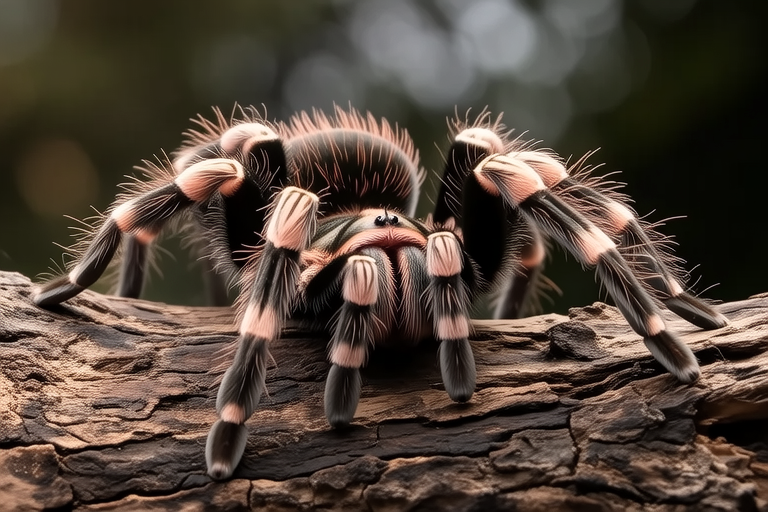
Top 10 Fascinating Facts About Tarantulas That Will Leave You Spellbound
Welcome to a world where spiders aren’t just creepy crawlies but fascinating creatures with extraordinary traits. Tarantulas, in particular, are among the most intriguing arachnids, known for their size, behavior, and unique characteristics. From their lush, hairy bodies to their defensive tactics, these spiders have captured the imagination of many. Let’s dive into the top 10 fascinating facts about tarantulas that will leave you spellbound.
1. Tarantulas Can Grow Up to 10 Inches Long!
The largest species of tarantulas can grow up to 10 inches long, including their legs. Imagine a spider that could cover your hand from fingertip to wrist! These giant arachnids are found primarily in South America, where they thrive in tropical climates. Their impressive size helps them fend off predators and hunt larger prey, making them formidable inhabitants of their ecosystems.
2. They Have Eight Eyes, But Rely Mostly On Their Hairs!
Despite having eight eyes, tarantulas rely more on their body hairs than their vision to navigate and detect threats. These sensitive hairs, known as setae, are scattered all over their bodies and legs. They can sense vibrations, changes in air currents, and even chemical signals. This sensory system allows tarantulas to move stealthily and react quickly to potential dangers, making them masters of survival in their environments.
3. Tarantulas Can Live for Over 30 Years!
Tarantulas are some of the longest-lived spiders, with some species living for over 30 years. This longevity is due to their slow metabolism and the ability to go for long periods without food. In captivity, they can live even longer, often exceeding 40 years. This extended lifespan makes tarantulas a popular choice for pet owners who want a long-term companion. However, it also means that tarantulas require careful care and attention throughout their lives.
4. Not All Tarantulas Are Venomous!
Contrary to popular belief, not all tarantulas are venomous to humans. While their venom can be harmful to small animals like insects, it is generally harmless to people. The bite of a tarantula is more akin to a bee sting, causing mild pain and swelling. Some species, however, have urticating hairs on their abdomen that they can flick at attackers. These tiny barbed hairs cause irritation and inflammation when they come into contact with skin or mucous membranes, providing an effective defense mechanism against predators.
5. Tarantulas Practice Cannibalism, Especially During Mating Season!
During mating season, male tarantulas face a significant risk of being eaten by their female counterparts. Females are much larger and stronger, and they sometimes consume the males after mating. This behavior, known as sexual cannibalism, ensures that the female receives nutrients to produce healthy offspring. It’s a brutal but efficient strategy that has evolved over millions of years. Despite this risk, male tarantulas still pursue females during mating season, driven by the instinct to reproduce.
6. Tarantulas Can Regenerate Lost Limbs!
If a tarantula loses a leg, don’t worry; it can regrow it! When they molt, which is the process of shedding their exoskeleton, they can regenerate lost limbs. This ability comes in handy when they lose legs to predators or during fights with other spiders. The new leg will be smaller at first but will grow to full size with subsequent molts. This remarkable adaptation showcases the resilience and adaptability of these fascinating creatures.
7. Tarantulas Can Produce Silk Without Spinning Webs!
Unlike most spiders, tarantulas don’t build webs to catch prey. Instead, they produce silk for various purposes, such as creating burrows or wrapping their eggs. Female tarantulas often line their egg sacs with silk to protect their young. Some species also use silk to create tripwires around their burrows, alerting them to approaching prey or danger. This versatile use of silk demonstrates the ingenuity of these creatures in adapting to their environments.
8. Tarantulas Are Nocturnal Hunters!
Tarantulas are nocturnal hunters, meaning they are most active during the night. They spend their days hiding in burrows or under rocks and emerge at dusk to search for prey. Their keen senses allow them to locate and capture insects, small vertebrates, and even other spiders. Once they’ve caught their prey, tarantulas use their powerful jaws to inject venom and digestive enzymes, liquefying the insides of their victims before sucking out the nutrients. This hunting strategy ensures they get the most out of their meals while minimizing energy expenditure.
9. Tarantulas Can Communicate Through Vibrations!
Tarantulas use vibrations to communicate with each other. By tapping their legs on the ground or sending tremors through their webs, they can convey messages about territory, mating readiness, or potential threats. These subtle vibrations can travel long distances, allowing tarantulas to stay connected even when they’re far apart. This form of communication is especially useful in dense forests or underground burrows, where visual cues might be limited.
10. Tarantulas Are Popular Pets!
Tarantulas have become increasingly popular as pets, thanks to their docile nature and ease of care. Many species are well-suited to life in captivity, thriving in terrariums with appropriate temperature and humidity levels. Pet tarantulas are often fed crickets or other small insects, and they require minimal interaction, making them ideal companions for those who prefer low-maintenance pets. However, it’s essential to choose a species that aligns with your experience level and commitment to provide proper care.
In conclusion, tarantulas are truly remarkable creatures with a plethora of fascinating traits. From their impressive size and long lifespan to their unique defensive mechanisms and communication methods, these spiders continue to captivate and inspire wonder. Whether you’re a seasoned arachnid enthusiast or simply curious about the natural world, there’s always something new and exciting to learn about tarantulas. So next time you encounter one of these magnificent creatures, take a moment to appreciate the complexity and beauty of life in its smallest forms.
