Siamese Cat Health: Common Issues and How to Keep Them Healthy
Welcome to this comprehensive guide on Siamese cat health. As one of the most popular breeds, Siamese cats are known for their striking appearance and sociable personalities. However, they also come with specific health concerns that every owner should be aware of. This article will delve into common health issues faced by Siamese cats, offer advice on maintaining their health through proper diet, exercise, grooming, and veterinary care, and provide insights into their unique needs for mental stimulation and social interaction.
Understanding Siamese Cats
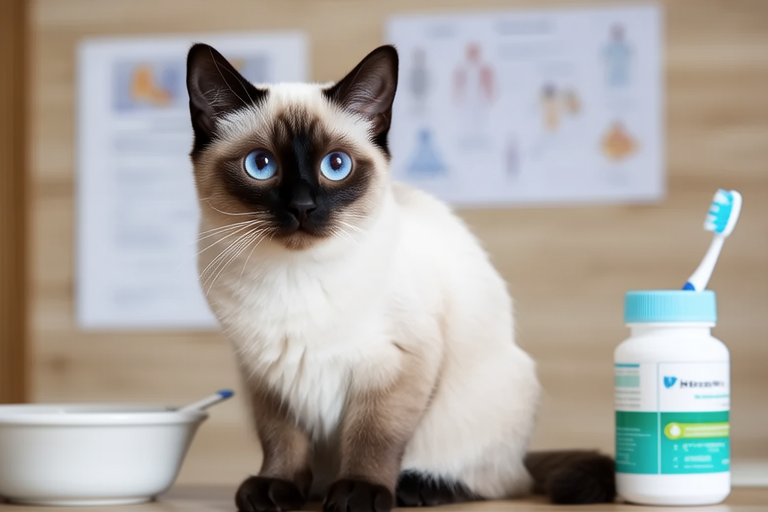
The Siamese breed has a long history dating back centuries in Thailand (formerly Siam). These elegant cats are distinguished by their sleek bodies, expressive blue almond-shaped eyes, and point coloration – darker fur on their ears, face, paws, and tail contrasting against lighter underparts. They are highly vocal, intelligent, and affectionate, often forming strong bonds with their human companions. Their vocal nature can sometimes lead to misunderstandings about their emotional state, but it is simply part of their communication style.
Common Health Issues in Siamese Cats
Respiratory Problems
One of the most significant health challenges for Siamese cats is upper respiratory infections. Due to their brachycephalic (flat-faced) structure, they may experience breathing difficulties or sinus issues. Symptoms include sneezing, nasal discharge, coughing, and labored breathing. Regular vet check-ups are essential to catch these conditions early and manage them effectively. If you notice any signs of respiratory distress in your Siamese, consult your veterinarian immediately.
Dental Issues
Siamese cats are prone to dental problems such as gingivitis, periodontal disease, and tooth resorption. These issues can cause pain, bad breath, and difficulty eating. Maintaining good oral hygiene through regular brushing and professional cleanings is crucial for preventing dental diseases. Additionally, providing appropriate chew toys and treats designed to promote dental health can help keep your Siamese’s teeth clean between visits to the vet.
Potential Genetic Disorders
Several genetic disorders affect Siamese cats, including:
- Hypertrophic Cardiomyopathy (HCM): A heart condition where the walls of the heart thicken, potentially leading to heart failure. Early detection via echocardiograms is vital.
- Progressive Retinal Atrophy (PRA): An inherited eye disorder causing progressive vision loss, eventually leading to blindness. Regular eye exams by a veterinary ophthalmologist can diagnose this condition early.
- Feline Asthma: Characterized by wheezing, coughing, and shortness of breath, asthma in cats requires careful management with medications prescribed by a veterinarian.
Maintaining Your Siamese Cat’s Health
Proper Diet
Feeding your Siamese cat a balanced diet rich in nutrients is fundamental to their overall well-being. High-quality commercial cat foods formulated for indoor cats or those with specific dietary needs are excellent choices. Consult with your veterinarian about supplementing with vitamins if necessary. Fresh water should always be available to encourage hydration. Avoid overfeeding, which could lead to obesity and related health complications.
Regular Exercise
While Siamese cats are generally active and enjoy playing, they still need encouragement to stay fit. Interactive toys like feather wands or laser pointers stimulate both body and mind. Climbing trees or shelves provide opportunities for physical activity while satisfying their natural instincts. Encourage your Siamese to engage in daily play sessions to maintain a healthy weight and prevent boredom.
Grooming
Siamese cats have short coats that require minimal grooming, but regular brushing helps distribute natural oils throughout their fur, promoting skin health. Pay attention to areas around the ears, eyes, and paws during grooming sessions. Cleaning their ears gently with a soft cloth and wiping their eyes with a damp cotton ball removes debris and prevents irritation. Nails should be trimmed regularly to avoid discomfort or injury from overgrown claws.
Veterinary Care
Scheduling annual wellness examinations with your veterinarian ensures early diagnosis and treatment of potential health issues. Vaccinations, parasite prevention, and dental care are critical components of preventive medicine. Discuss any unusual behaviors or symptoms with your vet promptly; early intervention often leads to better outcomes. Consider pet insurance to cover unexpected medical expenses.
Mental Stimulation and Social Interaction
Siamese cats thrive on mental engagement and companionship. Providing stimulating environments filled with puzzle toys, scratching posts, and interactive games keeps their minds sharp and reduces stress. They enjoy being part of family activities and benefit from spending quality time with humans. Establish routines that include playtime, feeding schedules, and cuddle sessions to foster strong bonds.
Resources for Further Learning
To deepen your understanding of Siamese cat health, consider exploring reputable sources such as books, online forums, and local feline clubs. Websites dedicated to Siamese cat care offer valuable information tailored specifically to this breed. Joining support groups allows you to connect with other owners who share similar experiences and challenges.
In conclusion, owning a Siamese cat brings joy and companionship but comes with responsibilities regarding their health and happiness. By staying informed about common health issues, following best practices for maintenance, and addressing their unique needs for mental stimulation and social interaction, you can ensure your beloved pet lives a long, healthy, and fulfilling life.
